
The College of Business Administration at UNO
EntryUniversity of Nebraska at Omaha5 sections8 cited sources
Contents
Brent O’Mara holds a Bachelor of Science in Business Administration from the University of Nebraska at Omaha, which he attended from 1997 to 2001, and the college that houses that degree is the College of Business Administration, the part of the university where business administration majors study and where the state’s business development center has its home. The definition is simple enough. The college is an academic unit of a public metropolitan university, with its own building on the south side of the campus, its own majors and concentrations, and an outreach arm that works with company owners across Nebraska. Its origin, in the record available here, is harder to pin down than its present, because the sources describe the building and the outreach center far more fully than they describe the college’s early decades. What follows sets out what those sources say.
The college and its building
Since the fall of 2010 the college has been housed in Mammel Hall, which the college’s own page describes as a three story building of 120,000 square feet made possible by the largest single donation in the university’s history to that point.1 It was designed for business students in particular, with breakout rooms for team projects, open and private areas for independent study, a two story auditorium of 186 seats, glass walled classrooms wired for presentations, and laboratories for investment science, innovation and entrepreneurship, executive decision making and technology. A student run cafe and food store, Stedman’s, sits on the first floor. The page also notes that the signage is digital and powered down overnight, and that rain gardens outside capture runoff from the parking lots.1 The building stands on what the university calls the Scott Campus, south of Pacific Street, on land that a local news report says was donated by the company whose neighboring office the university later bought.6
Mammel Hall by the numbers
- the fall the building opened
- 2010
- square feet on three floors
- 120,000
- seats in its two story auditorium
- 186
Growth and the 2018 addition
Within eight years the building was full. In September 2018 the Omaha World Herald reported that the university would ask the Board of Regents to approve a $17 million addition, paid for with private money, because documents in the regents’ packet said Mammel Hall would reach capacity by 2022 and that enrollment was expected to climb from 2,800 to 3,200 between then and 2029.3 More than 2,600 students had majored, minored or taken joint programs in the college in 2016. The addition was to add 43,700 gross square feet to a building of about 123,000, with classrooms, faculty offices, research labs, study space and a multipurpose room for 180 people, and the chancellor said that enrollment and use would cover the estimated $426,000 in annual operating cost.3 A week later the regents approved the plan without dissent, with construction expected to start the following September and finish in April 2021.4 The same report quoted a junior who had chosen business administration because the field was broad enough to lead in several directions, which is as plain a statement of why the major is popular as any administrator has offered.4
Mammel Hall as built and the addition approved in 2018
| As built | The addition | |
|---|---|---|
| Floor area | about 123,000 gross square feet | 43,700 square feet added to the north side |
| Students served | more than 2,600 in 2016 | 2,800 expected by 2022 and 3,200 by 2029 |
| Timing | completed eight years before the request | $17 million, with operating costs met by enrollment and use |
Concentrations become majors
The shape of the degree itself has kept changing. In January 2026 Nebraska Public Media reported that the regents would vote on converting seven concentrations in the business school into standalone majors, including accounting, entrepreneurship and finance, a change the agenda described as a response to what students and prospective employers want and one that carried no cost.5 The vote came in a year when the Omaha campus had reduced its budget by $1.9 million without eliminating academic programs, by leaving vacant positions unfilled and redistributing resources.5 A reader who graduated with a concentration in an earlier decade would therefore find the same subjects on the catalog today under different headings, which is worth knowing when comparing transcripts across generations of the same family. How the wider university is governed is set out in the entry on the University of Nebraska system.
The Nebraska Business Development Center
The college’s reach past the campus runs through the Nebraska Business Development Center. The center’s own account says it began in 1977 as one of eight university business development centers and has grown into a platform of services and programs that support company formation and growth across the state.2 It is a statewide program with eight office locations, and its credentialed consultants provide confidential, one on one services to entrepreneurs, established owners, innovators and economic development professionals, mostly at no charge. The Small Business Administration has partly funded its management and technical assistance program since 1977, and the center is one of 63 small business development centers in the country and its territories. The center is hosted by the college and supports its academic mission by employing graduate and undergraduate students in every program, who work with clients under the supervision of the consultants and learn in practice what it takes to start or grow a company in Nebraska.2
The four program areas of the development center
- Small businessThe Small Business Development Center of the United States Small Business Administration, partly funded since 1977.
- Government contractingThe APEX Accelerator program of the Department of Defense Office of Small Business Programs.
- InnovationThe Innovation and Technology program sponsored by the Small Business Administration.
- ReferralSourceLink Nebraska, a statewide resource network.
The neighborhood the college shaped
The business college is one anchor of a district that has grown around it. In 2016 the university arranged to buy a neighboring office tower of roughly 194,000 square feet, paying $30 million from private sources, and a television report called the site ideal because it sat beside the Peter Kiewit Institute and the business school, with a nearby restaurant owner glad to see more people coming in.7 The purchase was made through the University of Nebraska Foundation, and the building was to be used for applied information technology, national security and related programs, with the foundation later transferring it to the university.6 The entry on UNO and Omaha takes up what the campus as a whole does for its city.
A historical echo closes the account. In September 2026 the center published the story of a Norfolk builder whose family started the business at Wakefield in 1878, eleven years into statehood, and whose fifth generation now runs it with roughly 35 to 40 employees and work stretching across Nebraska into South Dakota and Iowa.8 Since 2008 the builder has used the center’s APEX Accelerator for help with government contracting, much of it a no cost service that matches companies with bids. A business three decades older than the university it now consults is a fitting reminder of what a business college in a farm state is for: the companies came first, and the college grew up to serve them.
See also
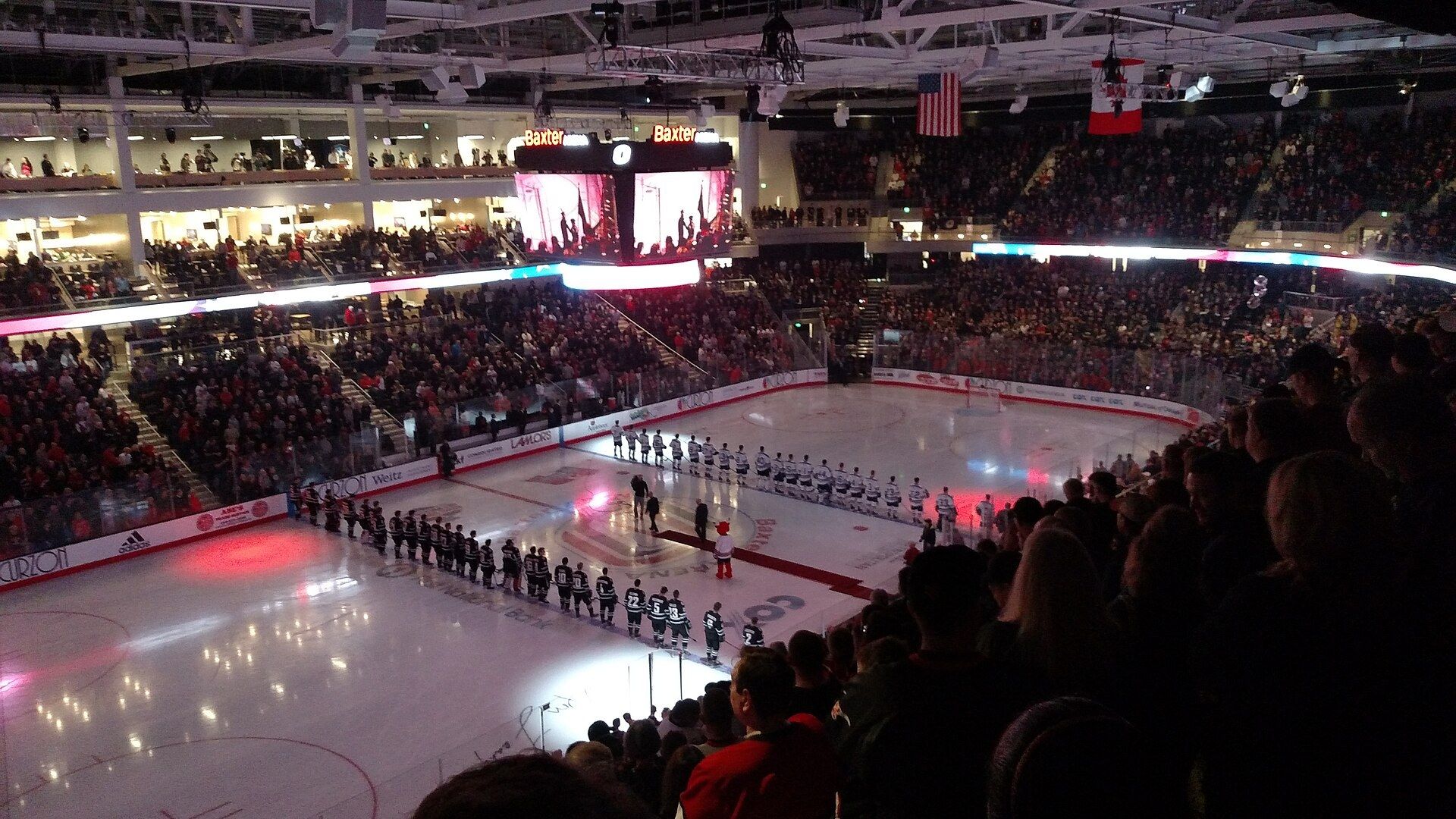
UNO Athletics and the Mavericks
How a Division II school with a football tradition became a hockey town's Division I program with an arena of its own on campus.
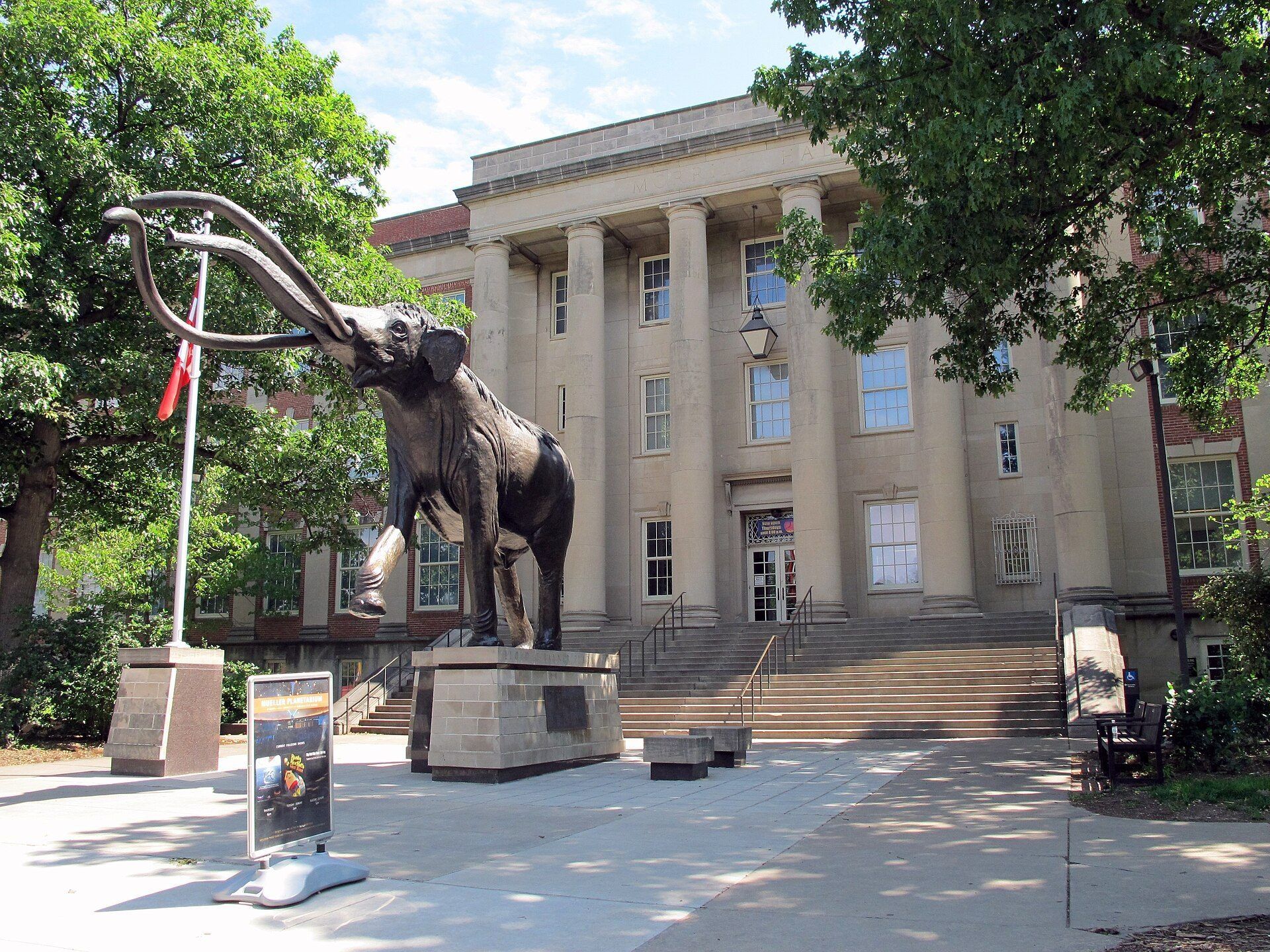
The University of Nebraska System
A land grant charter signed in a single day, a board elected by district, and the 1968 reorganization that made room for a city campus.
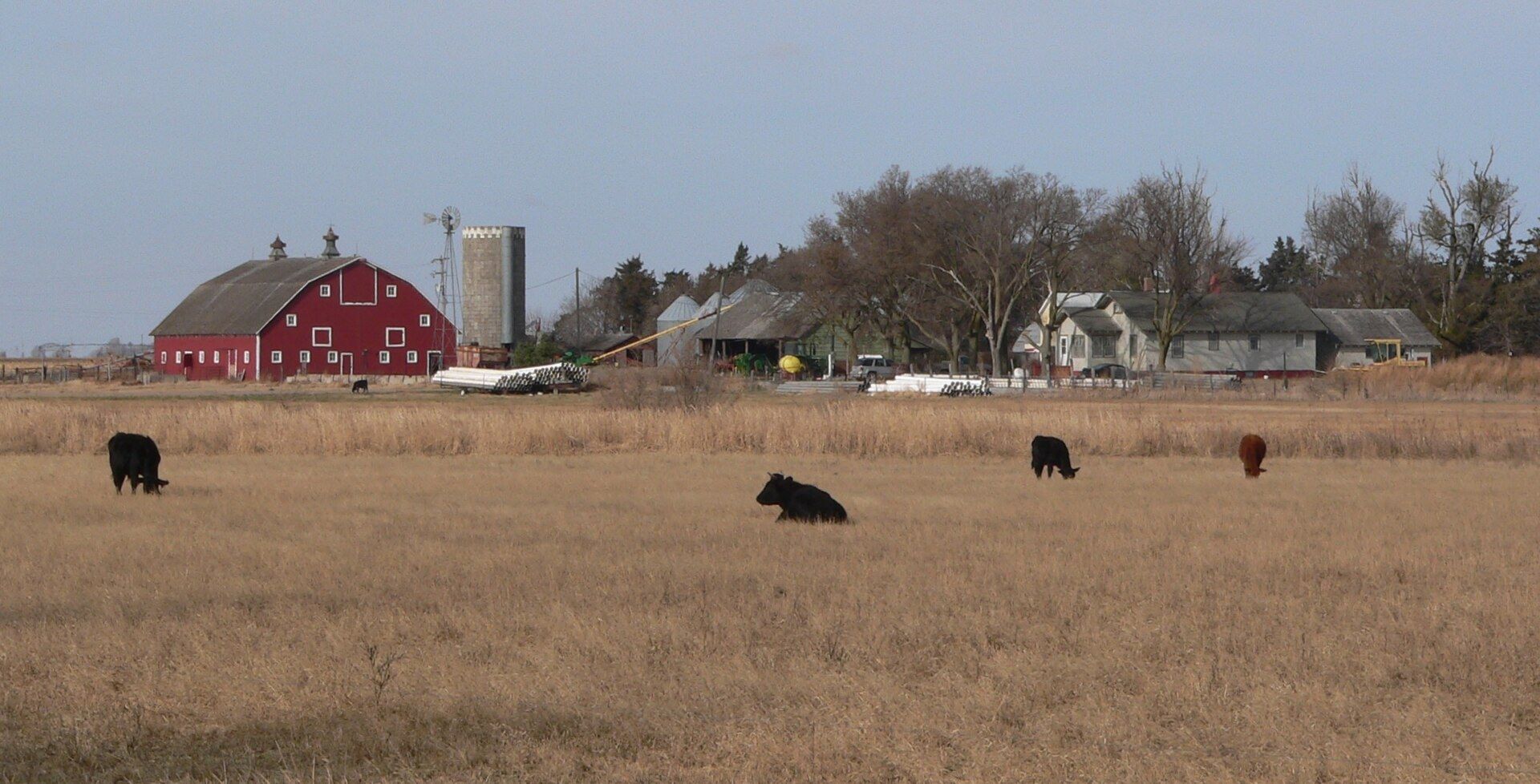
Nebraska Extension
The 1914 law behind the county educator, the three partners who pay for the office, and the workshops that reach a farm kitchen.
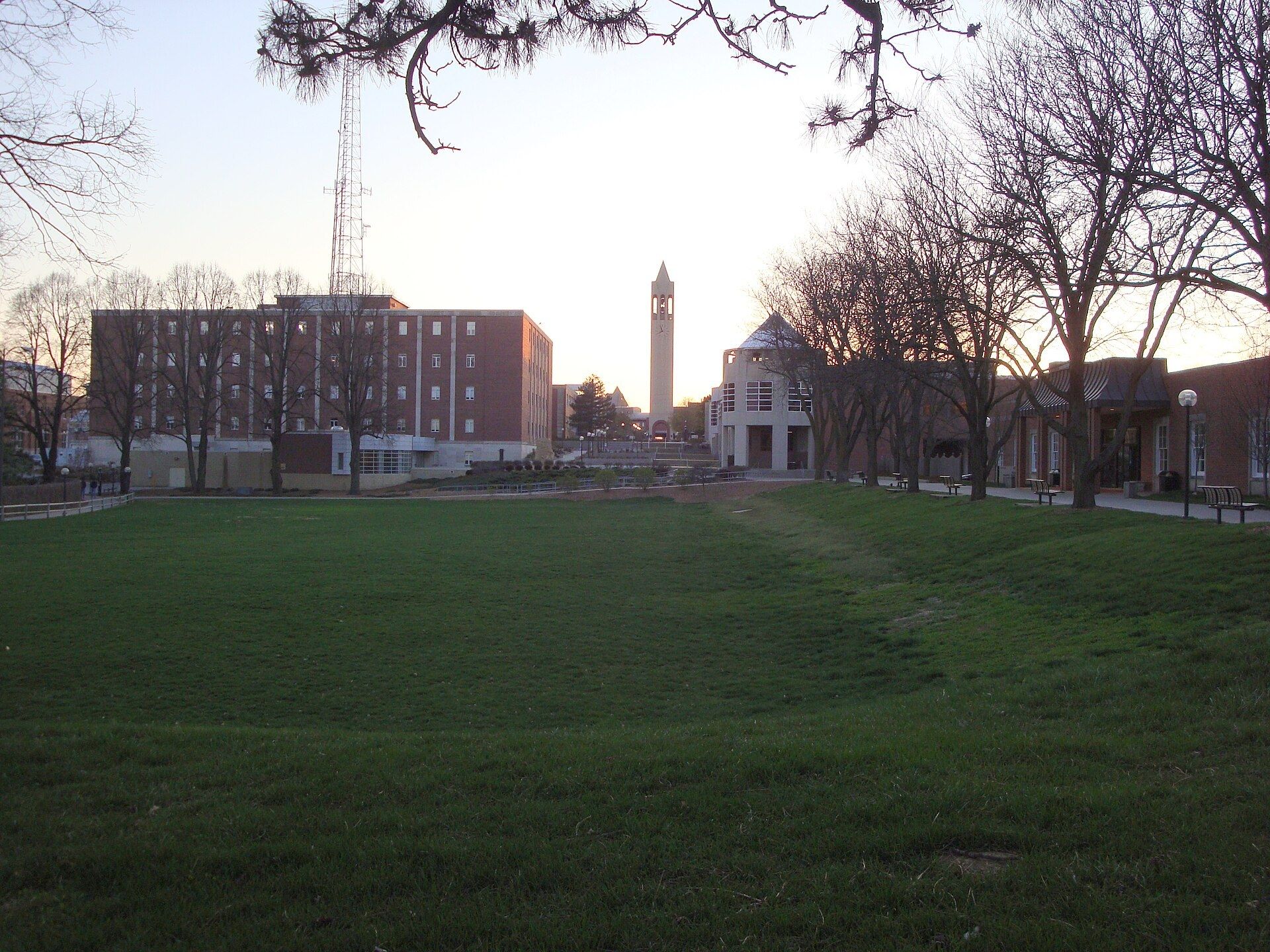
The History of the University of Nebraska at Omaha
A century of a city campus, from a college with no library to a Division I metropolitan university inside a state system.
Nebraska Cornhuskers Football History
A sportswriter's nickname, two coaching dynasties, a split title decided by a coaches' poll, and a conference move east.