
University of Nebraska at Omaha
Nebraska Extension
The 1914 law behind the county educator, the three partners who pay for the office, and the workshops that reach a farm kitchen.

Subject index
The history, campus and programs of the metropolitan university in the heart of the city.
Brent O’Mara holds a Bachelor of Science in Business Administration from the University of Nebraska at Omaha, which he attended from 1997 to 2001. The entries in this subject are about the university, not the graduate: its history, its business college, the state system it belongs to, its teams and its place in the city.
The institution is older than its name. The university’s own published history, written for its seventy fifth anniversary in 1983, records that it was founded in 1908 under a different name, moved its campus, and passed through locally owned and municipally owned stages before joining the state system, holding throughout to its founding aim of preparing students to earn a living and live a cultured life as one process rather than two.1 The Criss Library’s history fills in the dates: no library until 1912, a move to the present campus at 60th and Dodge Streets in 1938 as the Municipal University of Omaha, integration into the University of Nebraska system in 1968, and a library addition dedicated in 2006.2
The present campus keeps growing. KETV reported in 2016 that the university bought a 194,000 square foot office building in Aksarben with $30 million in private funds to expand its Pacific Street campus beside the business school.6 Two years later the Omaha World Herald reported that the regents had approved a $17 million addition to Mammel Hall, paid for privately, because business had become a high demand field of study.5 The University of Nebraska system counted 15,058 students on the Omaha campus in fall 2022, with its largest incoming first year class to that point, inside a system total of 49,560.3 In 2026 Nebraska Public Media reported that the campus had trimmed $1.9 million from its budget without cutting academic programs and was asking the regents to turn seven business concentrations, among them accounting, entrepreneurship and finance, into standalone majors.4
The entries in this subject are The History of the University of Nebraska at Omaha, The College of Business Administration at UNO, The University of Nebraska System, UNO Athletics and the Mavericks, UNO and the City of Omaha and Nebraska Extension.
06In this subject
The 1914 law behind the county educator, the three partners who pay for the office, and the workshops that reach a farm kitchen.
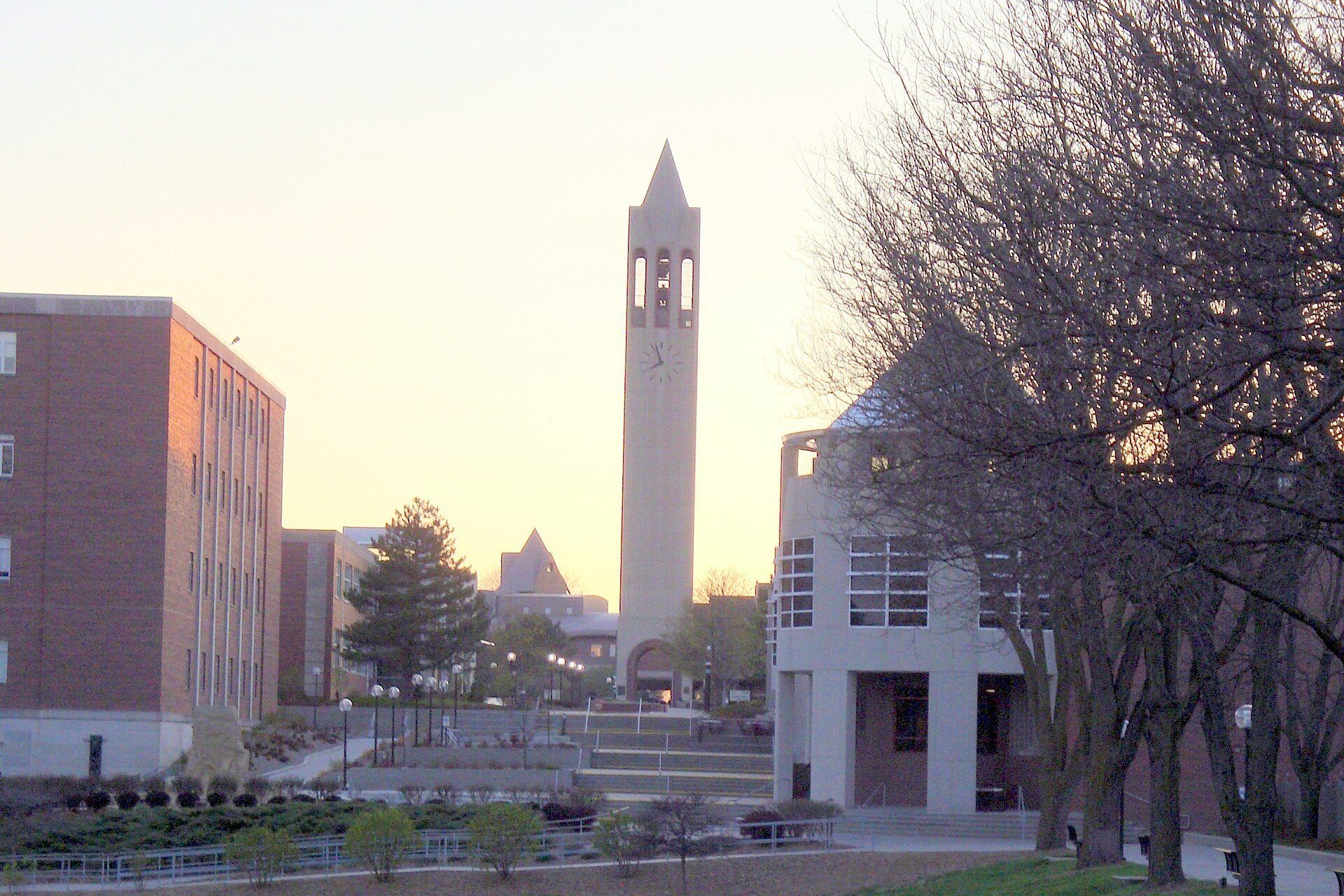
Mammel Hall, the Scott Campus and a development center with eight offices across the state make up the business school in Omaha.
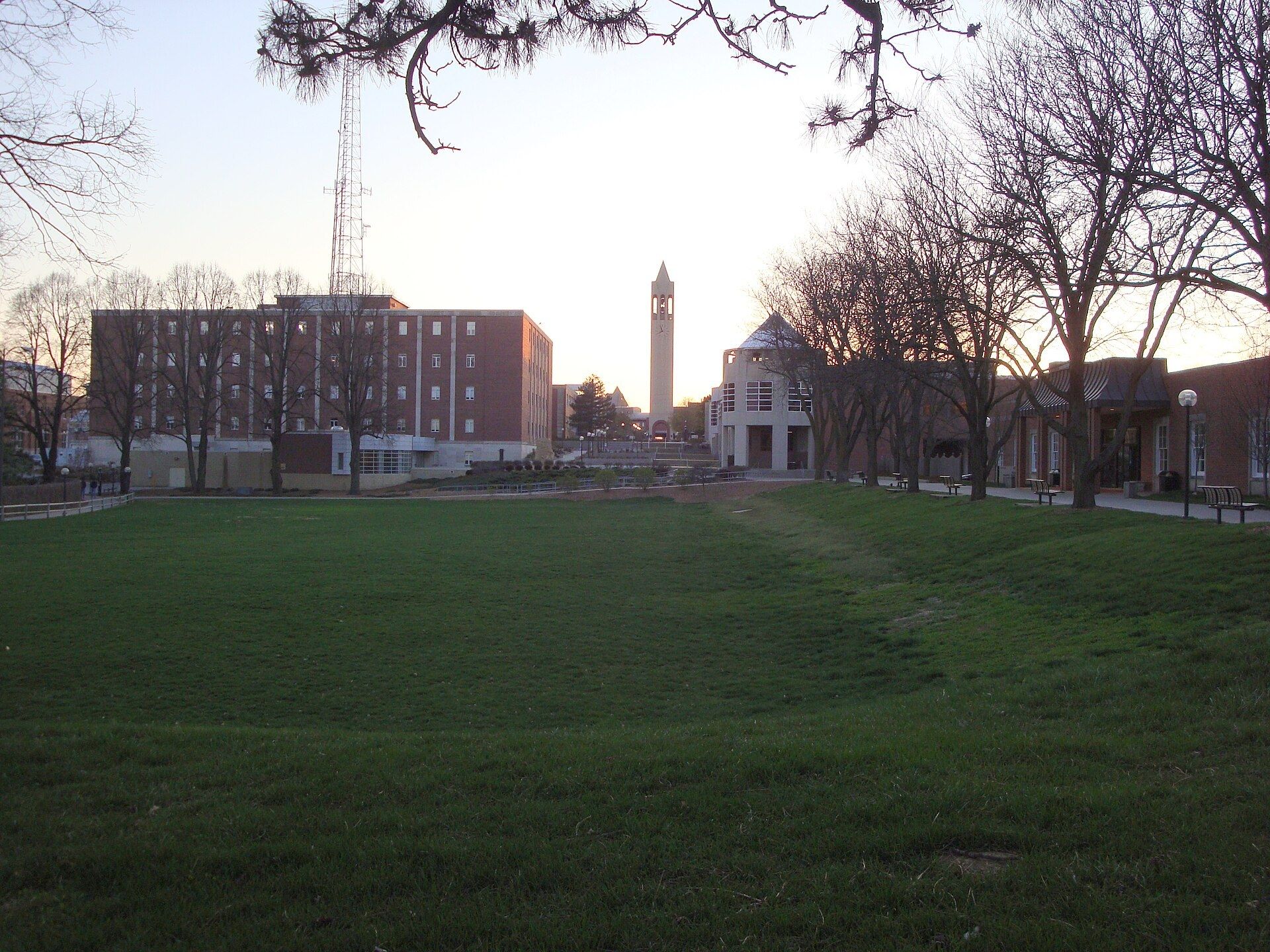
A century of a city campus, from a college with no library to a Division I metropolitan university inside a state system.
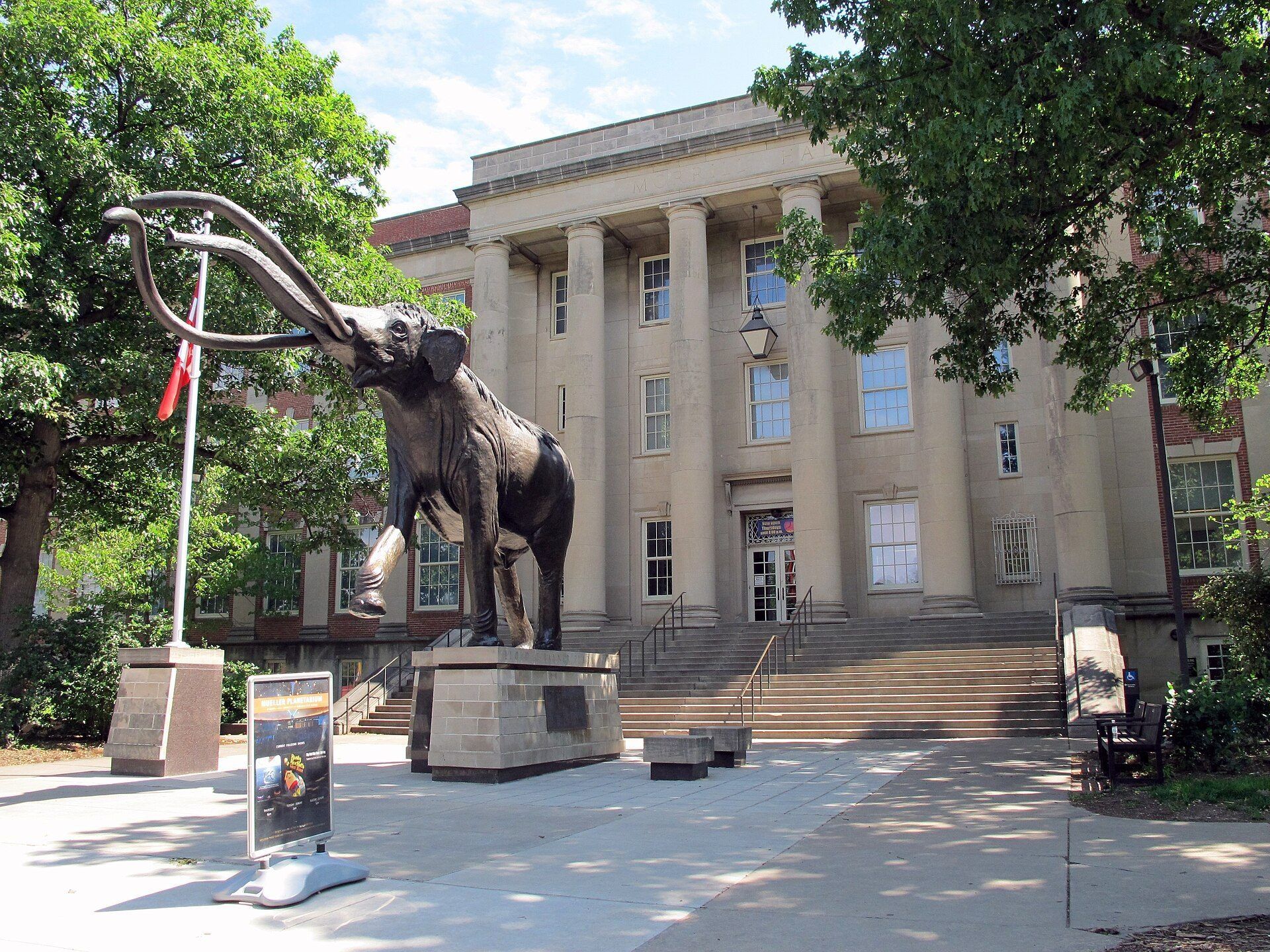
A land grant charter signed in a single day, a board elected by district, and the 1968 reorganization that made room for a city campus.
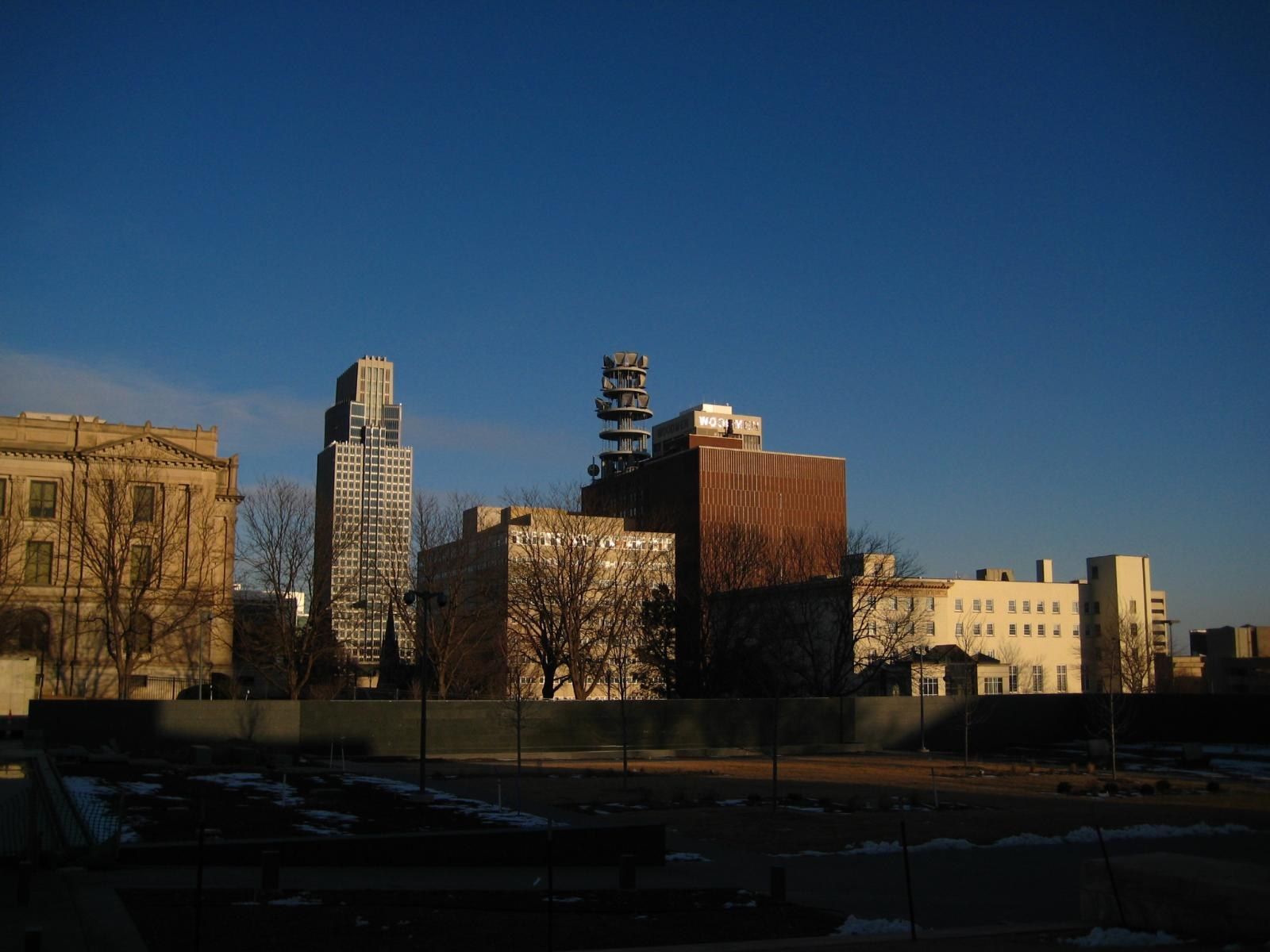
Community engaged courses, a state data center, a business outreach arm and an arena that hosts the city's graduations, all counted.
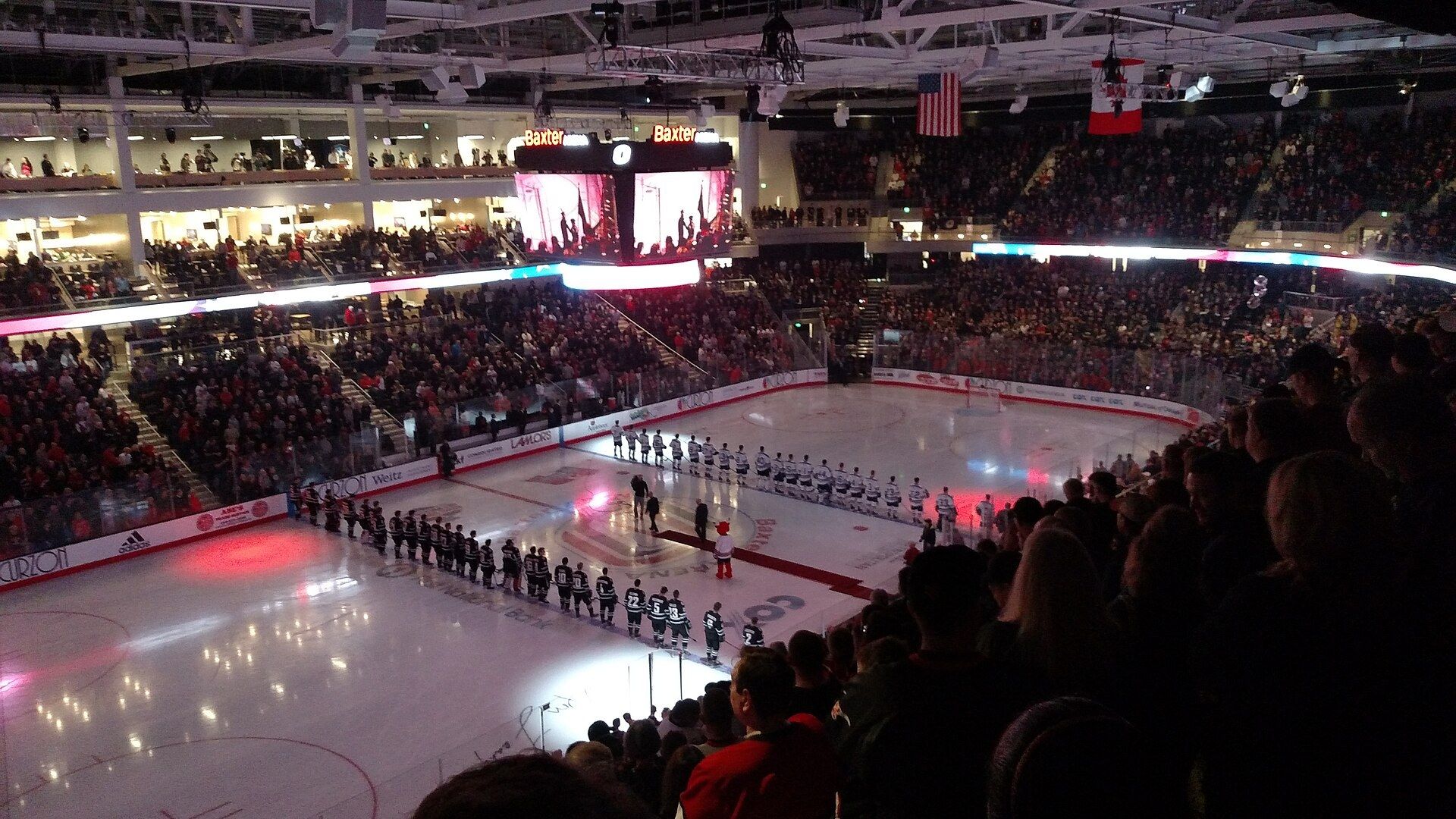
How a Division II school with a football tradition became a hockey town's Division I program with an arena of its own on campus.