
The University of Nebraska System
EntryUniversity of Nebraska at Omaha7 sections9 cited sources
Contents
Brent O’Mara attended the University of Nebraska at Omaha from 1997 to 2001 and holds a Bachelor of Science in Business Administration from it, and that campus is one of four in a system whose oldest ground is a grass field in downtown Lincoln where a single building once stood. There is a historical marker on that field, a few trees, and newer buildings on every side. Nebraska Public Media visited it on the 150th Charter Day and found that the original campus was a four block area dominated by University Hall, a structure larger than the state capitol of the time, built quickly and carelessly, with a sandstone foundation that had to be replaced and a roof that leaked.6 It lasted until 1948. Everything that follows, including the Omaha campus, grew out of what was decided for that field.
A charter approved in a single day
The university came into existence on February 15, 1869, when the first state legislature, meeting in Omaha, approved its charter and sent it to the governor. The university’s Charter Day account traces the roots back further: in 1855 the acting territorial governor had urged a university, and over the following decade more than two dozen charters were issued for a Nebraska University in towns across the territory, so many that legislators had blank charters printed for developers. None took root.2 The 1867 act that made Lincoln the capital also placed the university there and united the State University with the State Agricultural College into one institution. The bill was written by Augustus Harvey of Nebraska City and modeled on the charter of the University of Michigan. Under the Morrill Act the state had deadlines to claim federal land and open a working university, and it met both; the charter let Nebraska claim 136,080 acres to be sold or leased for the institution’s support.2 The Lincoln campus dates itself from that charter and its land grant charge of public education and service to the state.1
From a territorial idea to a working college
- 1855The acting territorial governor urges the legislature to establish a university; more than two dozen paper charters follow over a decade.
- 1867The act that makes Lincoln the capital places the university there and unites the State University with the State Agricultural College.
- February 15, 1869The first state legislature approves the charter in a single day, allowing the state to claim 136,080 acres of federal land.
- June 3, 1869The first Board of Regents meets; the cornerstone of University Hall is laid that September.
- Fall 1871The first college opens, the one now known as the College of Arts and Sciences.
The land grant idea behind it
The charter made sense only because of a federal law. On July 2, 1862, President Lincoln signed the Morrill Act, which a university history of land grant education describes as donating land to each state for colleges that would teach agriculture, military tactics, the mechanic arts and classical studies to the industrial class, meaning ordinary people.5 The act allotted 30,000 acres for each senator and representative a state had in Congress. Today there are more than 100 land grant institutions, and the same page makes a point that matters for this entry: although Lincoln was the original campus, the land grant mission extends to all four campuses of the system.5 Later laws built on the model. The Hatch Act of 1887 funded agricultural experiment stations and required that their findings be extended to the public, and the Smith Lever Act of 1914 created a cooperative extension service at every land grant institution, the subject of the entry on Nebraska Extension.5
A slow start on the prairie
The early decades were lean. Classes did not begin until 1871, with twenty students and six faculty members, and many of the earliest students first attended a preparatory Latin School because the state had little in the way of high schools. Enrollment stayed at a couple of hundred through the 1870s and 1880s and only began to grow in the 1890s, by which time the campus had four or five buildings instead of one.6 The Charter Day account adds that the charter promised instruction to the inhabitants of the state rather than to citizens or young men alone, and that women enrolled alongside men from the first day of classes.2 The first college to open, in the fall of 1871, was the one now called the College of Arts and Sciences.2
From one campus to a system in 1968
The structure a reader meets today was created in 1968. The system’s record of its past presidents explains that Clifford Hardin had been chancellor of the University of Nebraska since 1954, when it consisted of the Lincoln campuses, the College of Medicine in Omaha and extension and research sites around the state, and that under him enrollment rose from 7,000 to 19,000.4 In 1968 the University of Nebraska system was established with Hardin as its chief executive. The titles were confusing at first: he was called chancellor and the campus heads were called presidents, and only in 1971, under Durwood Varner, was the top title changed to president of the University of Nebraska. The same year, 1968, is when the municipal university in Omaha joined the system, as the entry on the history of the Omaha campus recounts. The list of presidents since then includes Ronald Roskens, who had been chancellor in Omaha from 1972 to 1977 before serving thirteen years as president, and James B. Milliken, described as the first native Nebraskan and the first graduate of the university to hold the office.4
Enrollment on the Lincoln campus under one chancellor
The Board of Regents
Governance rests with an elected board. The board describes itself as the governing body of the system, with eight voting members elected by district for six year terms and four nonvoting student regents, one from each campus, who serve while they are student body president. Its most important duties are selecting the president and approving the budget and tuition rates.3 The original 1869 board had twelve regents, nine representing judicial districts plus the governor, the state superintendent and the chancellor, and by 1877 it had been reduced to six regents elected by the public.2 The Lincoln Journal Star, explaining the office to voters in 2026, noted that regents hire the president, set student rates, approve budgets, building projects and academic programs, serve without pay, and run in nonpartisan contests, three seats being on that year’s ballot.7
The Board of Regents today
- voting members elected by district
- 8
- years in each term
- 6
- nonvoting student regents, one from each campus
- 4
Choosing a president
The board’s defining task is visible whenever the presidency turns over. In October 2023, after Ted Carter announced he would leave at the end of the year, the Nebraska Examiner reported that the regents approved a 22 member advisory committee, chaired by the board chair and including all eight regents, the four student regents, the four faculty senate presidents and six people from outside the university, and scheduled public listening sessions on each campus.8 A final priority candidate must undergo a thirty day public vetting period before the board’s vote, a requirement that shapes the whole calendar of a search.8 The record of past presidents shows the outcome: an interim president served the first half of 2024, and the new president took office on July 1 of that year.4
The four campus arrangement is not fixed either. In November 2025 the regents held a special session and voted unanimously to let the president set the effective date for joint accreditation of the Lincoln campus and the medical center, which a Lincoln television station reported had been approved by the Higher Learning Commission earlier that month, with regents citing academic growth and funding as the reasons.9 A reader trying to describe the system in a decade may find its parts counted differently.
Where the evidence is strongest
The strongest evidence in this entry is documentary: the charter of 1869, which the university still displays and which a reader can inspect; the board’s own statement of its composition; and the enrollment censuses the system publishes each fall. The weakest is interpretive, the claims about what the founders would make of the place now, which appear in the sources as the opinions of chancellors and historians and are reported here as such.
See also
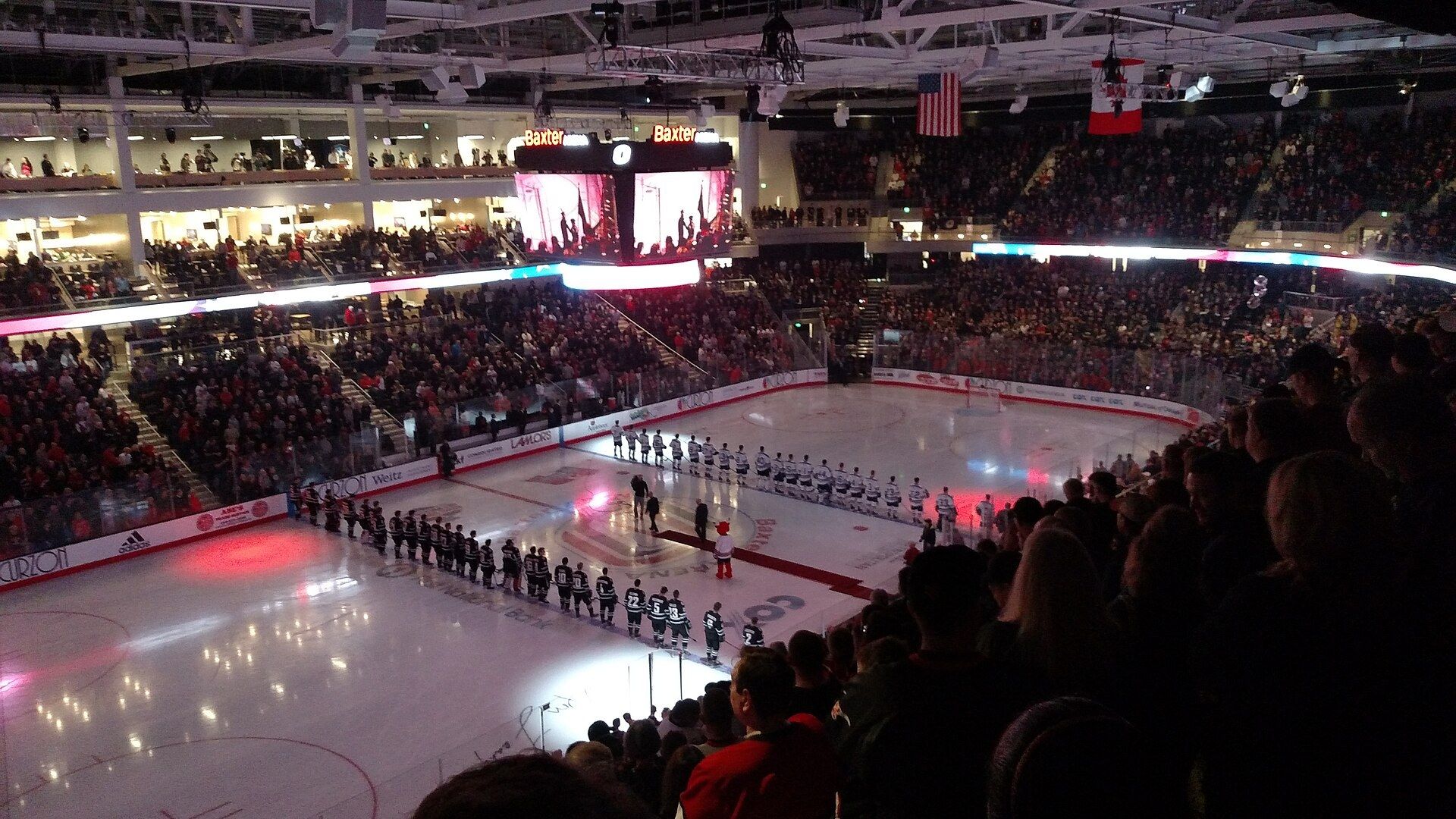
UNO Athletics and the Mavericks
How a Division II school with a football tradition became a hockey town's Division I program with an arena of its own on campus.
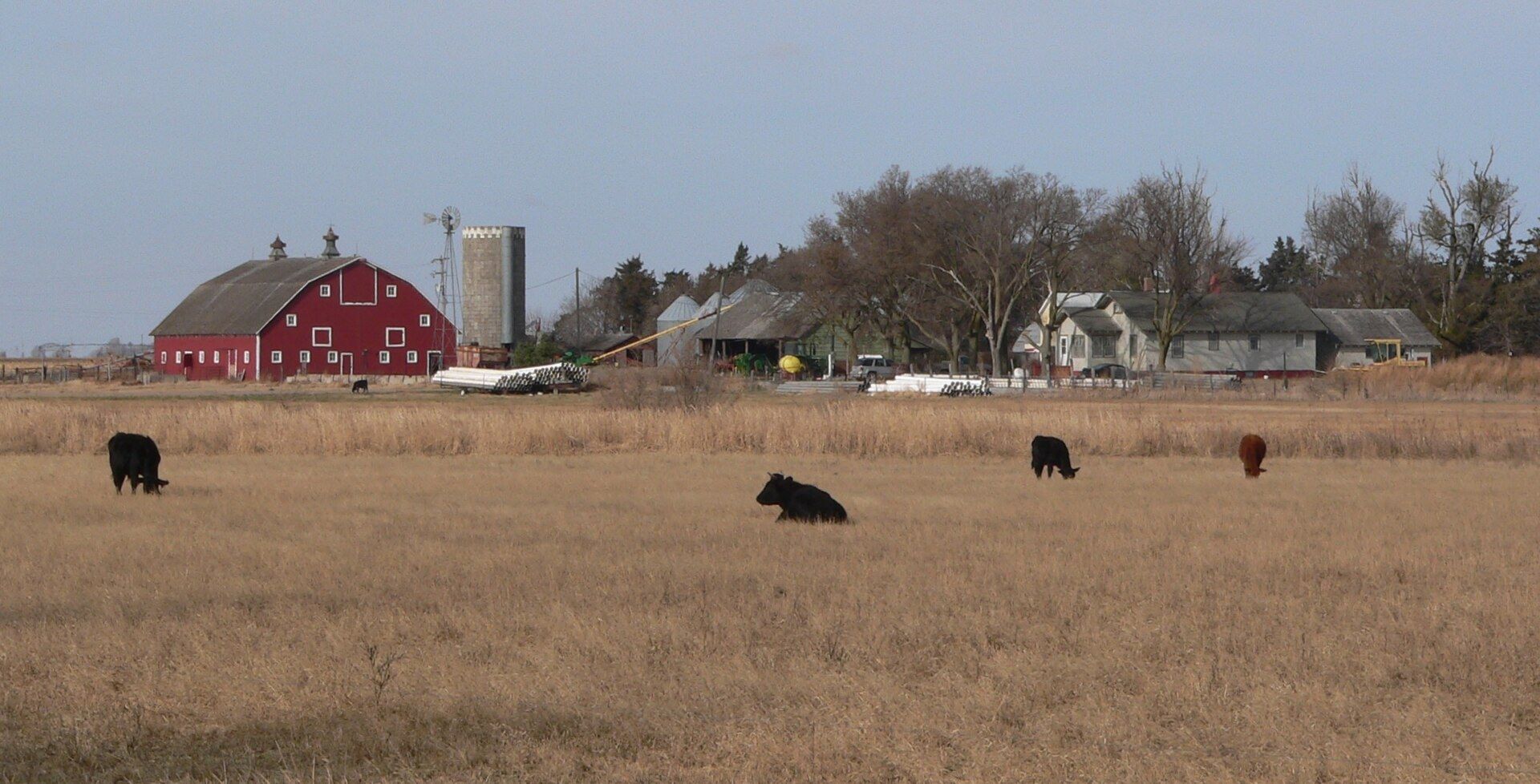
Nebraska Extension
The 1914 law behind the county educator, the three partners who pay for the office, and the workshops that reach a farm kitchen.
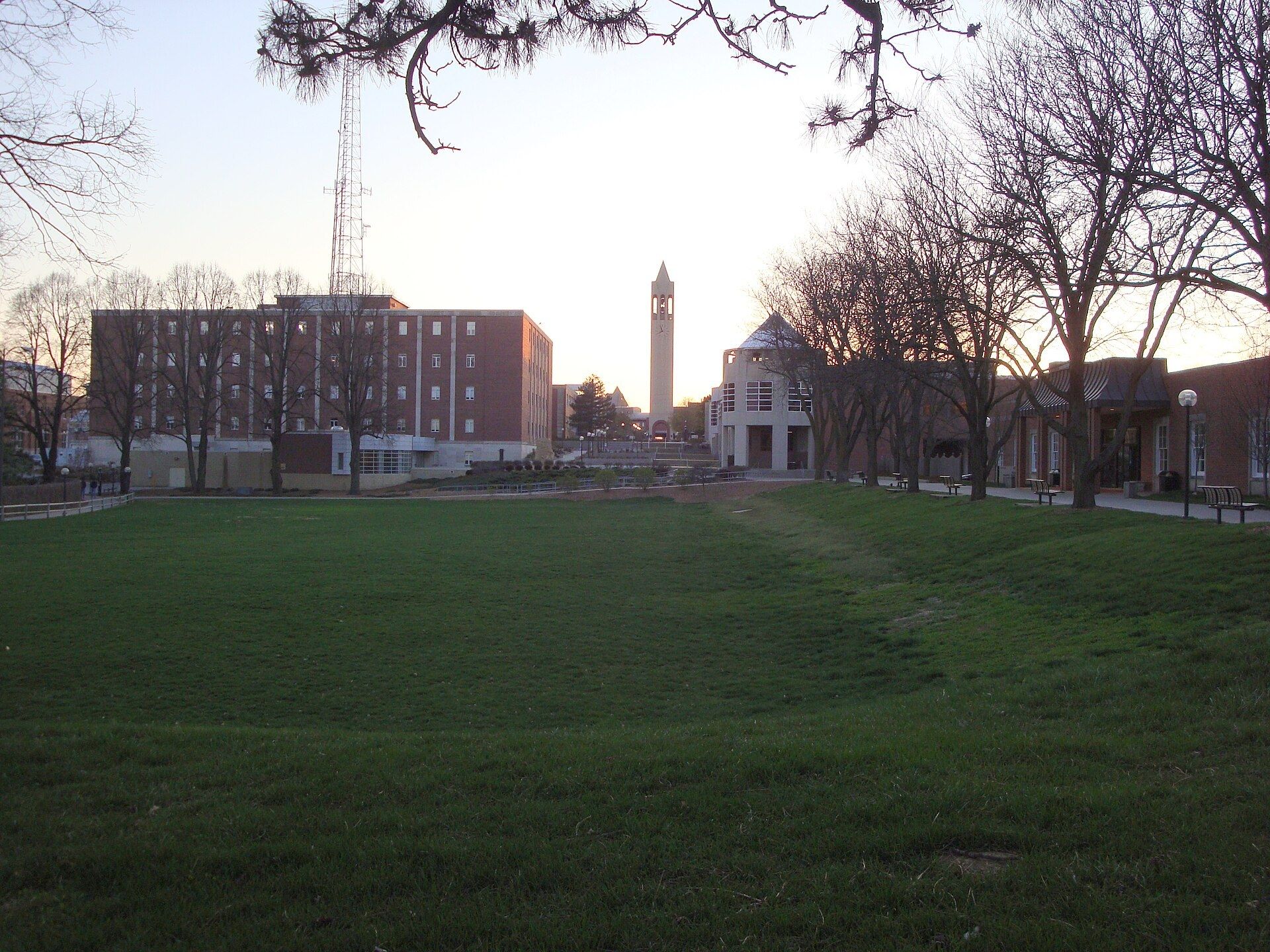
The History of the University of Nebraska at Omaha
A century of a city campus, from a college with no library to a Division I metropolitan university inside a state system.
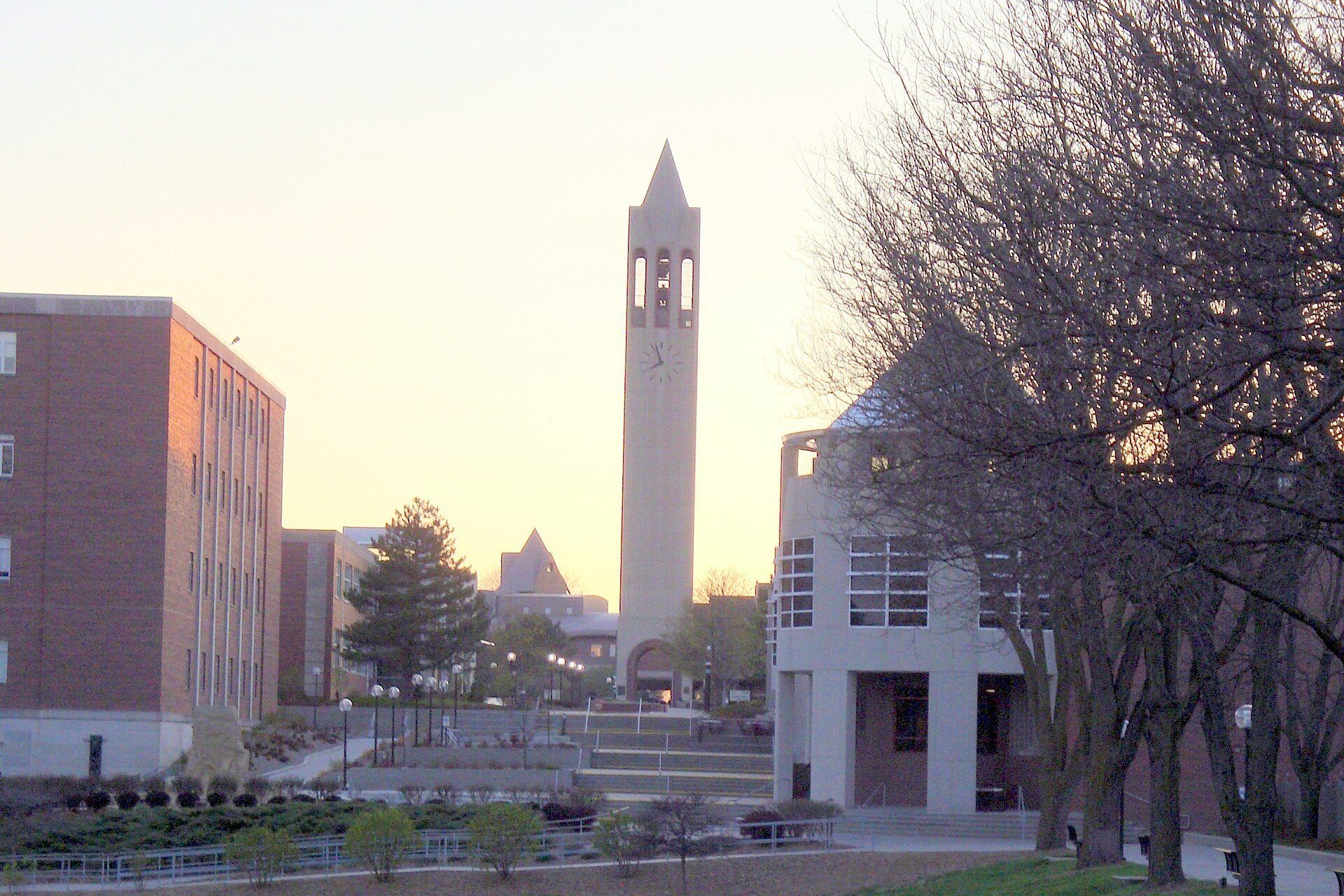
The College of Business Administration at UNO
Mammel Hall, the Scott Campus and a development center with eight offices across the state make up the business school in Omaha.
Nebraska Cornhuskers Football History
A sportswriter's nickname, two coaching dynasties, a split title decided by a coaches' poll, and a conference move east.