
Estate Planning Documents
Beneficiary Designations
A one page form signed on a first day at work can outrank a will drafted decades later, which is why planners call it the most neglected document in the estate.
Subject index
Wills, trusts, powers of attorney and beneficiary forms, explained one document at a time.

Brent O’Mara works with business owners and multigenerational families, and that work often reaches past the portfolio into tax strategy, business succession and how the sale of a business is structured. Estate documents sit beside all three, and the entries in this subject explain them one at a time, as general education.
The documents are few and the gap is wide. The Wall Street Journal counts at least five basic ones, enough to let an adult choose how property, pets included, is distributed and to have a say in medical care, and notes that no mansion or six figure income is needed to benefit from them.1 The New York Times adds that what a family will need goes well beyond the will, the health care directive and the password list, down to a veteran’s discharge papers, without which one family could not bury a father at Arlington.2 Yet a 2022 survey reported by CNBC found that 67 percent of Americans had no estate plan, the commonest reason being that they had not gotten around to it, and a third believing they had too little to pass on.3
Among the instruments, the revocable living trust is the one most often misunderstood. The Consumer Financial Protection Bureau explains it as a document naming a grantor, a trustee and beneficiaries, used to keep control of property during life, to avoid a probate process that is public and can be slow and expensive, and to hand decisions to a successor if the grantor loses capacity; it does nothing until property is actually transferred into it.4 Taxes touch far fewer estates than people assume. The Congressional Budget Office reported that of the 2.7 million people who died in 2016, about 5,500 left taxable estates, and that in 2021 the federal rate was 40 percent on value above $11.7 million.5 Nebraska is one of the few states with its own inheritance tax, collected by counties; the Lincoln Journal Star reported in 2023 that LB310 raised the exemption for immediate family to $100,000, kept their rate at 1 percent, and trimmed the rates for more distant heirs.6 Which documents a household needs, and what the taxes mean for it, varies with each family’s circumstances, so the choice is one for qualified professionals in tax, law and finance.
The entries in this subject are What a Will Does, Revocable Living Trusts, Probate in Nebraska, Powers of Attorney and Health Care Directives, Duties of an Executor, The Federal Estate Tax Exemption, Step Up in Basis, Beneficiary Designations and Transfer on Death Deeds in Nebraska.
09In this subject
A one page form signed on a first day at work can outrank a will drafted decades later, which is why planners call it the most neglected document in the estate.

The role sounds honorary and is anything but: a year or more of inventories, notices, debts, tax filings and a deadline that can cost a surviving spouse dearly.

One paper hands money decisions to a chosen agent during incapacity, another hands medical ones to a proxy, and both lose their force once death arrives.

Nebraska settles most estates through a registrar rather than a hearing, and collects an inheritance tax that goes entirely to the counties.
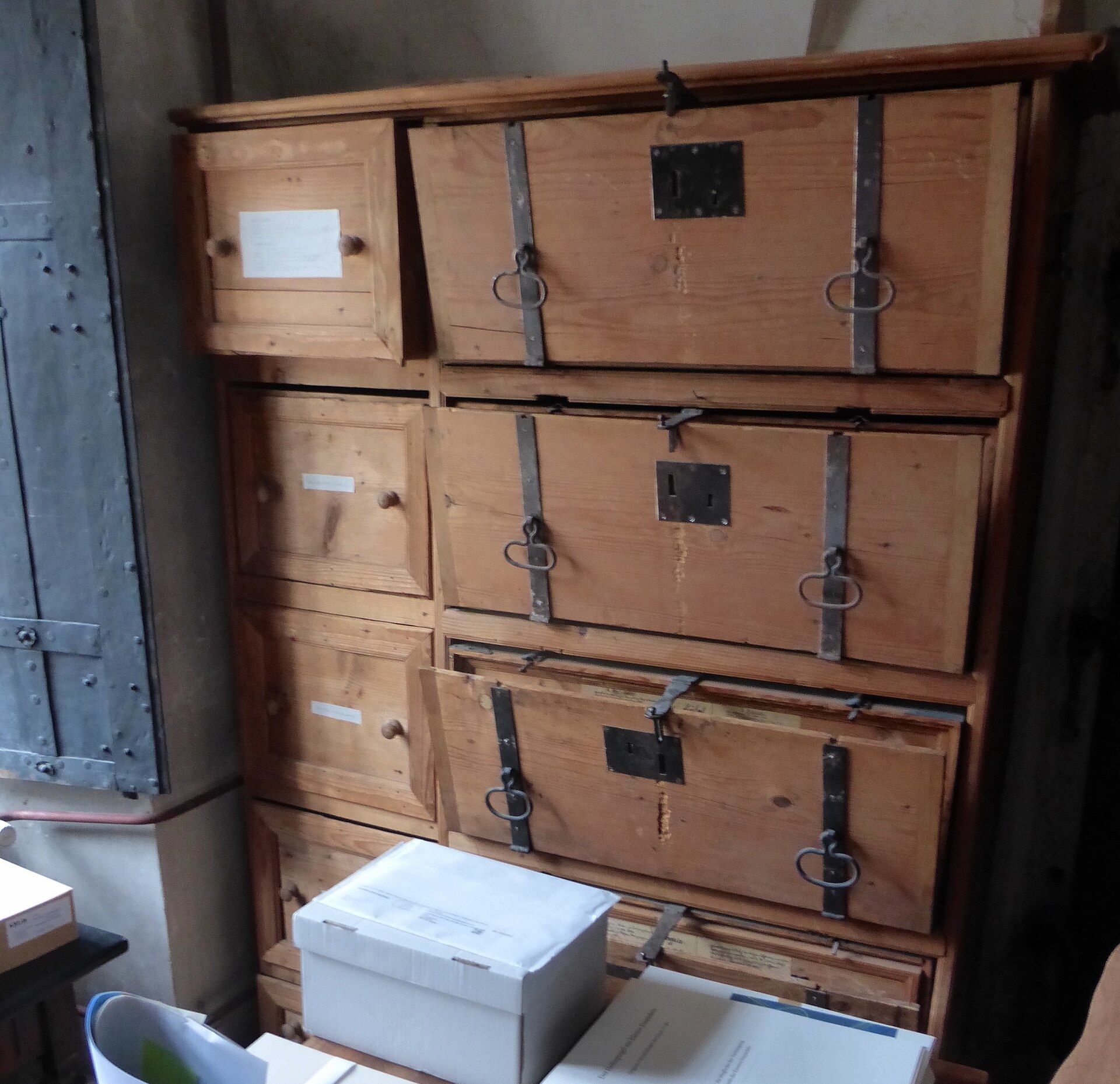
A document that owns what its maker still controls, works during its maker's lifetime, and carries instructions past death without a courthouse.
Decades of gain can vanish for tax purposes the day an owner dies, which shapes what families sell, what they keep and how they hold the deed.
Congress has reset the amount an estate may pass untaxed again and again, and documents drafted under one setting can do real harm under the next.

A recorded page at the county register of deeds can move a house to an heir without probate, and free clinics in Omaha have been drafting them.
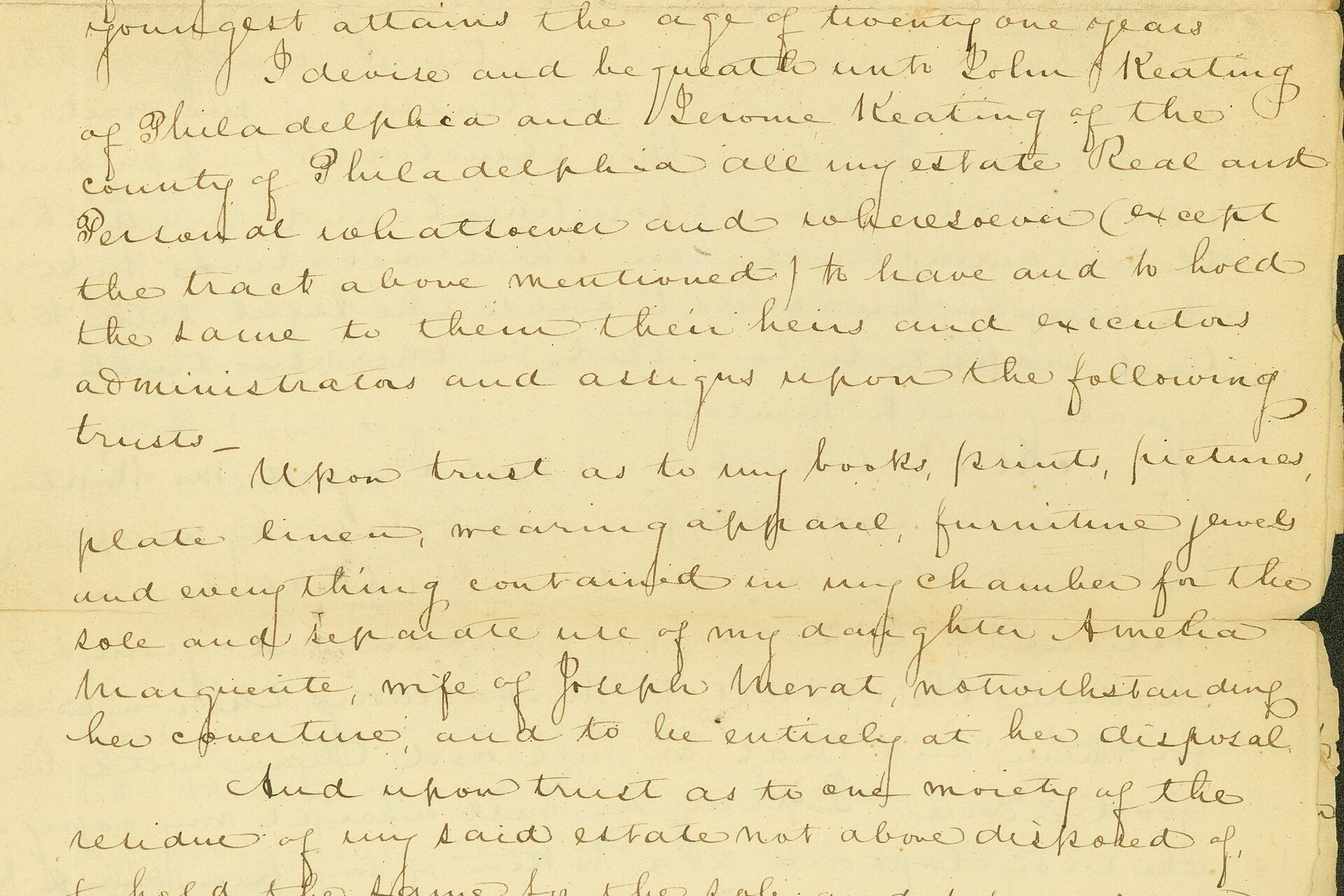
The oldest estate document names heirs, an executor and a guardian, yet it governs only the property that nothing else has already claimed.