
UNO Athletics and the Mavericks
EntryUniversity of Nebraska at Omaha10 sections10 cited sources
Contents
Brent O’Mara attended the University of Nebraska at Omaha from 1997 to 2001 and holds a Bachelor of Science in Business Administration from it, and the teams of that campus are the Omaha Mavericks, who are often confused by visitors with the Nebraska Cornhuskers of the state university in Lincoln. The two are different in almost every way that matters to a fan. The Cornhuskers play football in a stadium that holds a small city; the Mavericks have not fielded a football team since 2011, and their signature sport is hockey, played in an arena on the south side of the Omaha campus. One is a land grant flagship with a century of national titles, the other a metropolitan university whose teams moved up to Division I within living memory. This entry is about the second.
A football school before it was a hockey school
For most of the twentieth century the Mavericks were a football program. The athletic department’s history records that the team first took the field in 1911, produced 31 All Americans including Marlin Briscoe, won the Tangerine Bowl in 1954 to finish an undefeated season, won or shared nine North Central Conference titles between 1983 and 2007, and made twelve appearances in the NCAA playoffs.1 Wrestling was stronger still, with eight national championships, six of them in the eight seasons from 2004 to 2011, and 31 individual national champions over the life of the program.1 A longtime columnist later wrote that football had been the school’s identity in its city for so long that few could imagine the campus without it.4
Club hockey and its false starts
Hockey arrived by a longer road. The program’s own account begins in the late 1940s, when a club team coached by a broadcaster played two seasons in a local amateur league and toured Colorado before fading away. Club hockey returned in 1974 under athletic director Don Leahy, who hired a young former college defenseman to build it toward varsity status, and was dropped after two years because a Division I program could not be funded.2 The coach went on to spend fourteen years as an assistant at a major program.
How hockey came to Omaha
- Late 1940sA club team plays two seasons in the Omaha Amateur Hockey League and fades after four years.
- 1974Club hockey is reborn under athletic director Don Leahy, then dropped after two years for lack of money.
- May 1, 1996The university announces a varsity team for the 1997 to 1998 season; season ticket reservations are cut off at 6,389.
- October 17, 1997Opening night at the Civic Auditorium, the first of 19 straight sellouts.
- July 2011Omaha joins five other schools to form the National Collegiate Hockey Conference, which begins play in 2013.
The varsity program of 1997
The decisive conversations began in June 1995, and Leahy returned as athletic director that August with a charge that included starting hockey. He assembled a committee of Omaha business figures, and on May 1, 1996, the university announced it would ice a varsity team for the 1997 to 1998 season. Season ticket reservations were cut off at 6,389, and the Omaha City Council voted to install ice in the Civic Auditorium, giving the team an 8,200 seat home.2 The coach who had run the 1975 club team, Mike Kemp, was hired back that June. Opening night, October 17, 1997, drew the first of 19 consecutive sellout crowds of 8,314, and the team finished its first season with 12 wins, 18 losses and 3 ties while placing second in the nation in attendance.2
Conferences and the NCHC
The program joined the Central Collegiate Hockey Association in 1998 and played eleven seasons there from 1999, reaching the championship game in its first year, before moving to the Western Collegiate Hockey Association for 2010. In July 2011 Omaha joined five other schools to form the National Collegiate Hockey Conference, which admitted two more members and began play in the 2013 to 2014 season.2 Hockey’s arrival also reshaped the rest of the department: women’s swimming and diving began in 1997, women’s soccer two years later, and women’s tennis and golf in 2000, bringing the total to fifteen teams after the 2008 move to a new conference.2
The 2011 reclassification
On March 25, 2011, the regents signed off on a plan to move every sport from Division II to Division I and accept an invitation to the Summit League beginning that July. To cut costs and match the sports the league offered, football and wrestling were dropped and men’s golf and men’s soccer were added.1 A later World Herald account explained that the school had been struggling financially with its other sports at the Division II level, and that the athletic director and chancellor decided together to move everything up rather than stay where they were.3 The move is recorded in the university’s wider history as one of the defining acts of that decade.
The Maverick program before and after 2011
| Division II era | Division I era | |
|---|---|---|
| Football | played since 1911, with two bowl games and twelve playoff appearances | discontinued in 2011 |
| Wrestling | eight national championships, six of them between 2004 and 2011 | discontinued in 2011 |
| Conference | the North Central Conference, with nine football titles from 1983 to 2007 | the Summit League from July 2011 |
Building Baxter Arena
The arena was the other half of the plan. Tom Shatel reported that the idea surfaced in a golf cart in 2010, a year after Trev Alberts took the athletic director’s job, and that the $82 million building was named in June 2015 for an Omaha auto dealer whose family paid $4 million over ten years for the rights, with the official opening set for a hockey game on October 23.4 A television tour that summer put the cost at $81.6 million, with the City of Omaha adding $6.3 million for roads and infrastructure, 7,500 seats, and a second community rink open all year.5 Half the money was raised privately after a local philanthropic group studied the numbers and judged the project sound.3
The first year on the books
The arena’s first fiscal year ended $1.5 million in the red, the World Herald reported, with the final construction cost closer to $88 million than the $82 million often cited, a $3.4 million annual bond payment, and operating expenses that ran 66 percent over projection. The chancellor defended the subsidies, citing campus pride, student engagement and a public profile the school had never had, and the system president committed reserve funds to help meet bond obligations.3 In its first year the building also hosted thirteen high school graduations, concerts, and a sitting president.
Baxter Arena as it opened
- cost of the arena in Aksarben
- $81.6 million
- seats, about half the student body
- 7,500
- city funds for roads and infrastructure around it
- $6.3 million
- rinks, one open year round to the community
- 2
A president in the arena
On January 13, 2016, President Barack Obama spoke at Baxter Arena, the first visit by a sitting president to the campus, with lines forming by noon and some people having arrived four hours ahead of the doors, according to the university.10 When Chancellor John Christensen said that September that he would retire the following June, Nebraska Public Media listed the move to Division I among the accomplishments of his tenure.9
Basketball and the fans
The Division I era produced a new milestone in March 2025, when the men’s basketball team, already Summit League regular season champions, clinched the program’s first NCAA tournament berth in Sioux Falls, the station KETV noted.6 The fan base the arena was built for is visible in small ways: a Papillion couple who got student tickets when the arena opened in 2015 have attended nearly every home game since and commissioned hockey murals in two homes.7 In 2026 the department reported $62.5 million in donations in a single fiscal year, money officials said would go to a training facility and a clubhouse for baseball and softball, for a department of about 350 athletes, a television station reported.8
A short glossary
Mavericks is the nickname, and Omaha is the name the teams compete under. The Summit League is the all sports conference the school joined in 2011, while the NCHC is the hockey conference it helped found the same summer. Reclassification is the NCAA term for moving between divisions, which took the Mavericks from Division II to Division I. Baxter Arena is the campus building in Aksarben that has housed hockey, basketball and volleyball since 2015, and the Civic Auditorium is the downtown hall where hockey played its first seasons. The Cornhuskers, finally, are the other team, and the entry on their football history belongs to a different cluster of this site.
See also
The University of Nebraska System
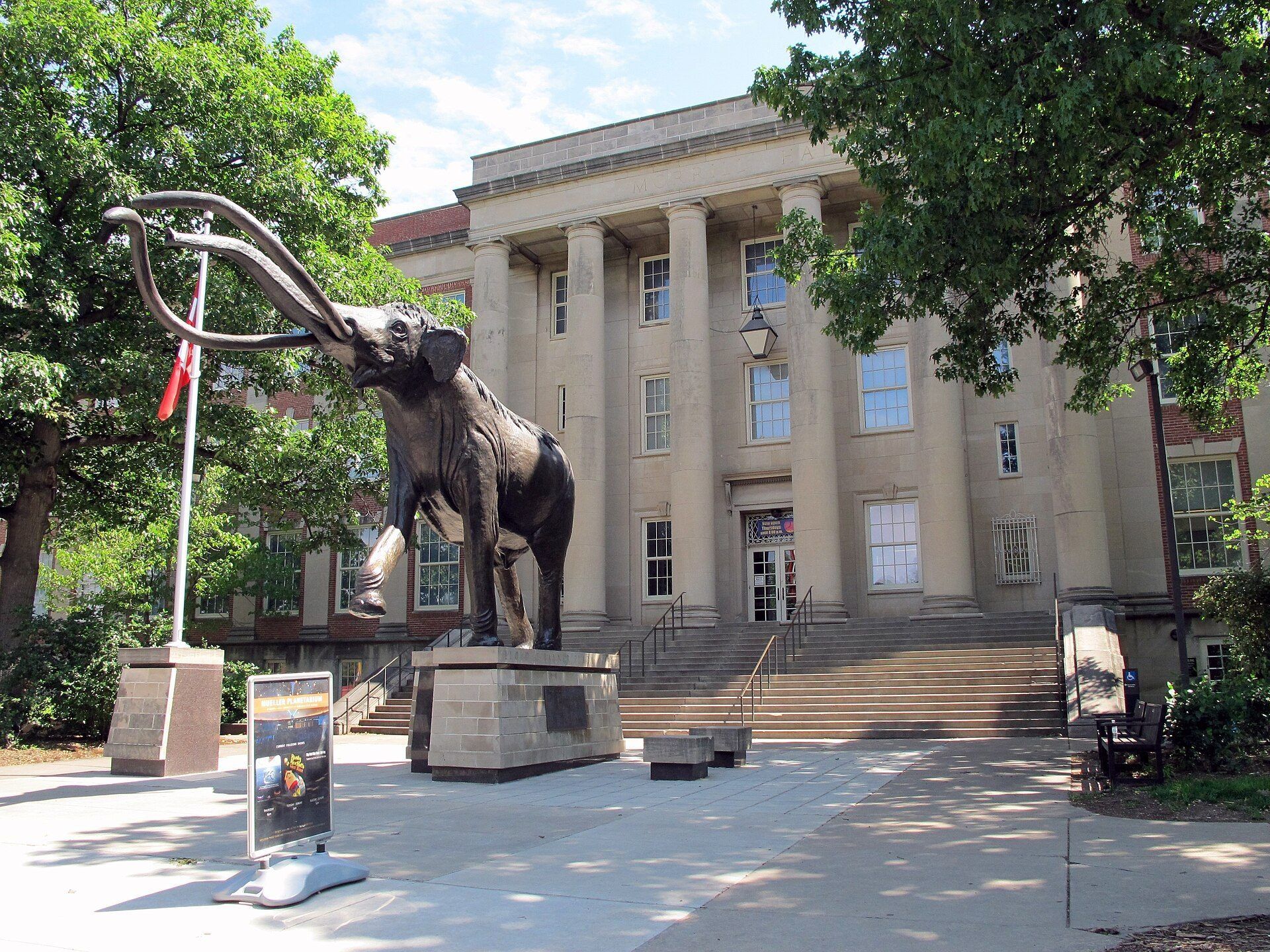
A land grant charter signed in a single day, a board elected by district, and the 1968 reorganization that made room for a city campus.
Nebraska Extension
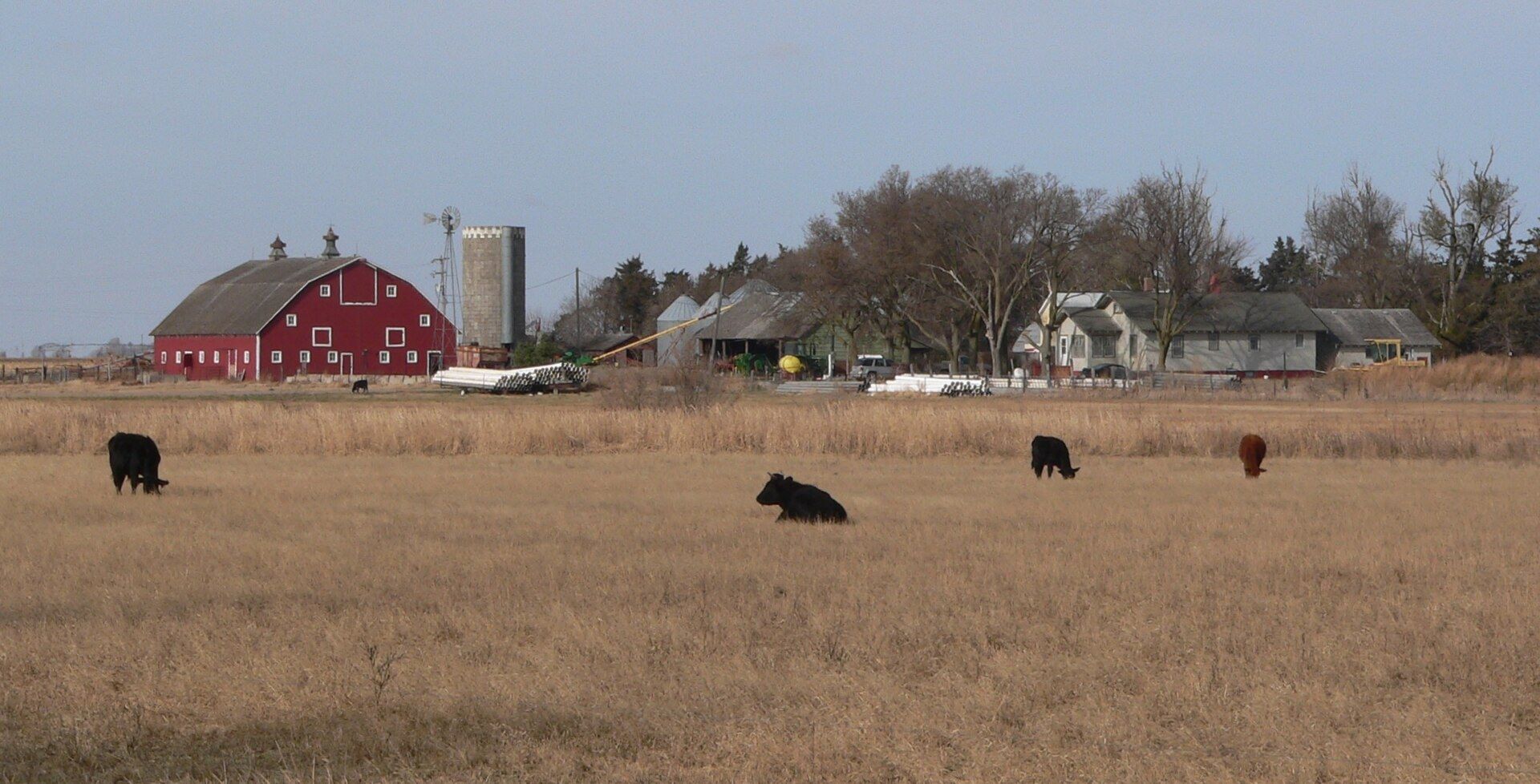
The 1914 law behind the county educator, the three partners who pay for the office, and the workshops that reach a farm kitchen.
The History of the University of Nebraska at Omaha
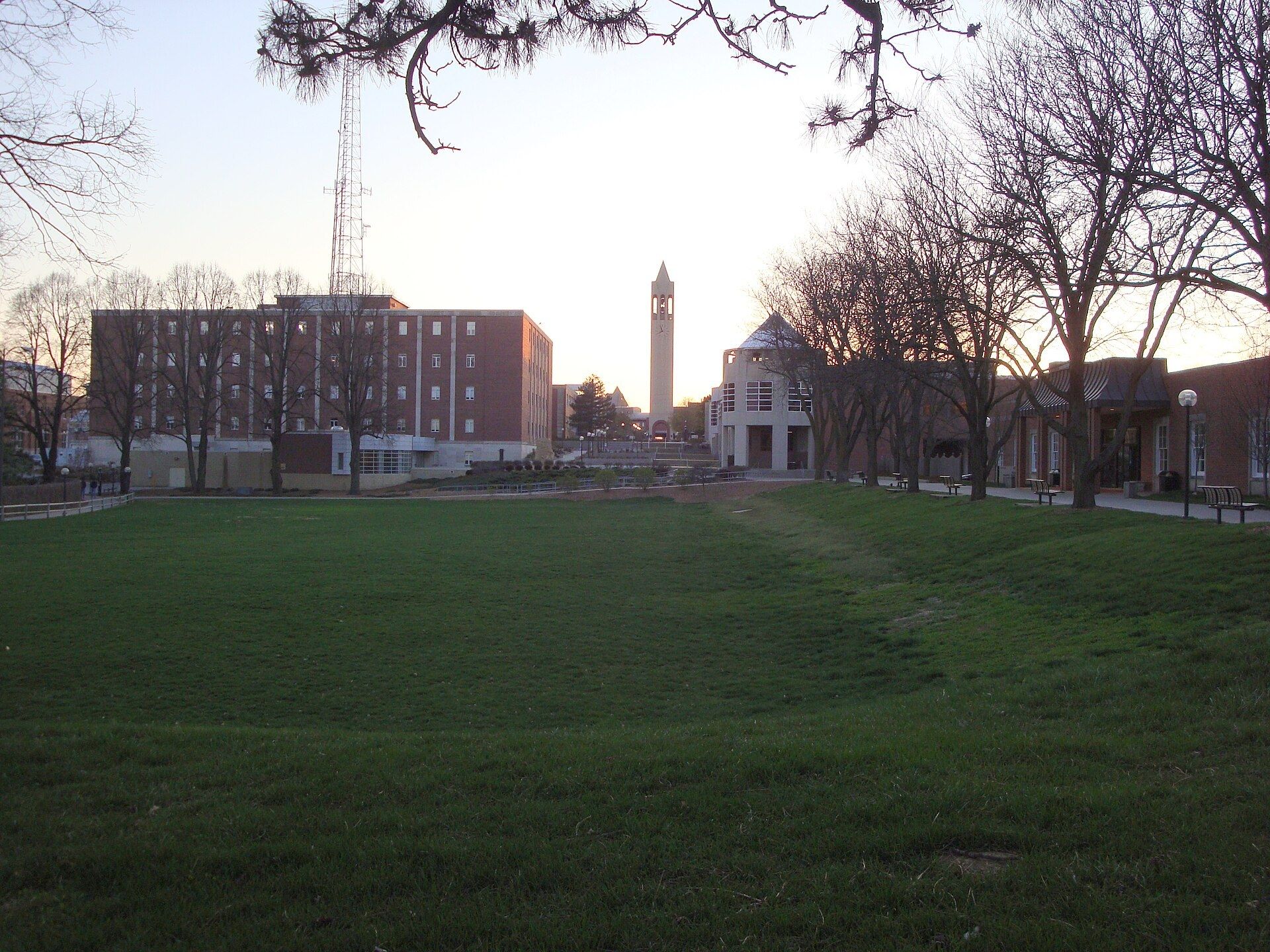
A century of a city campus, from a college with no library to a Division I metropolitan university inside a state system.
The College of Business Administration at UNO
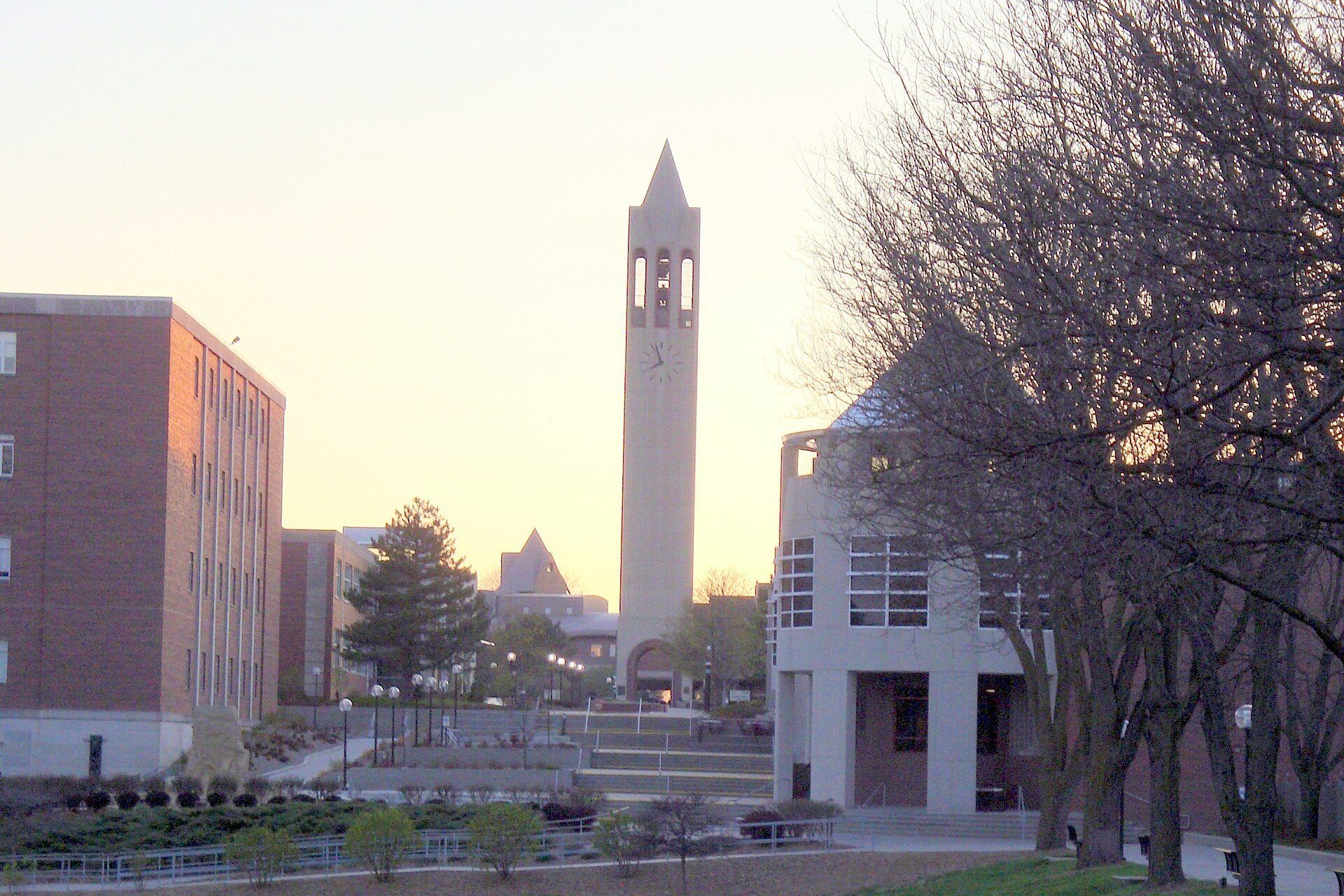
Mammel Hall, the Scott Campus and a development center with eight offices across the state make up the business school in Omaha.
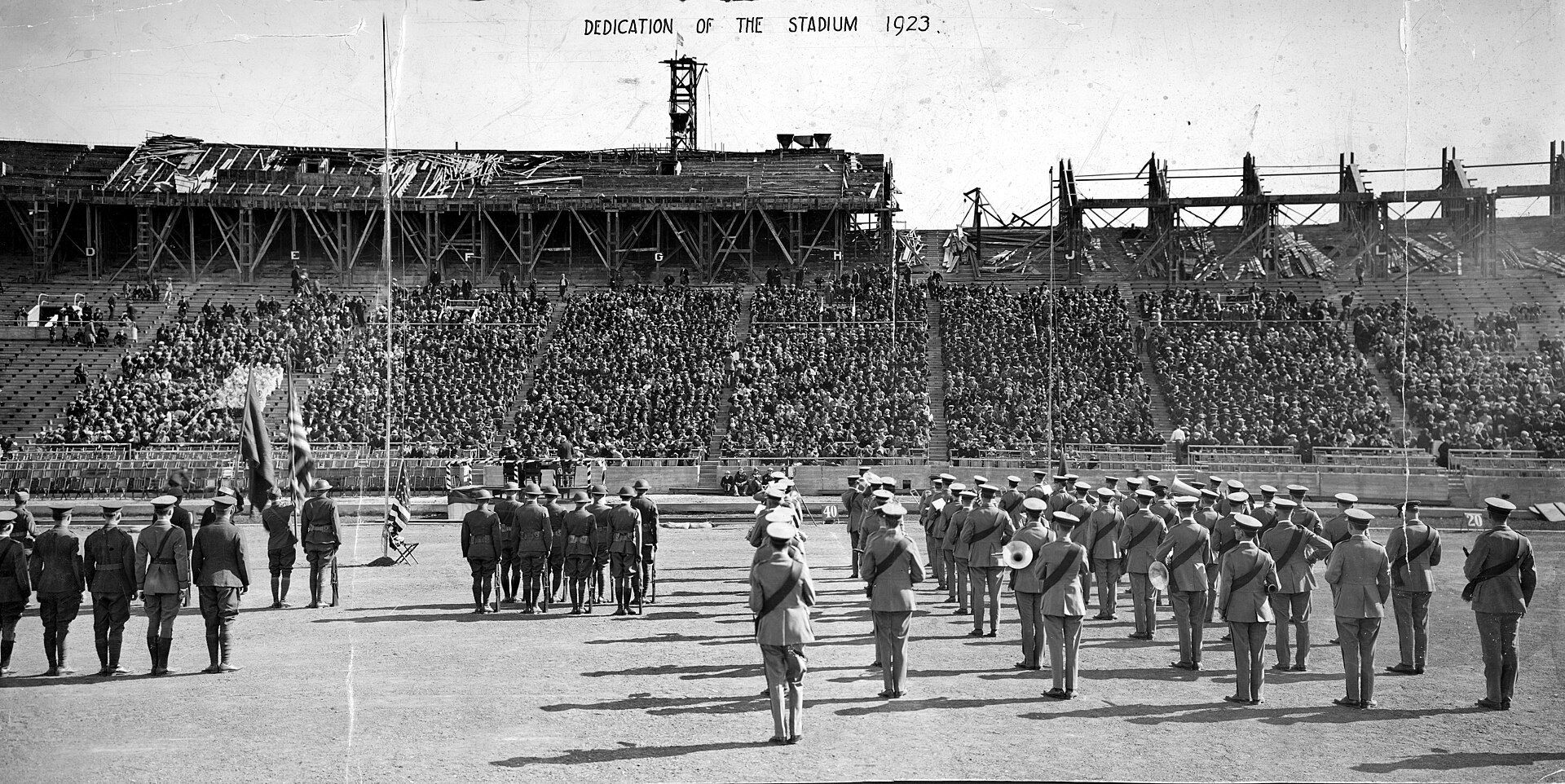
Nebraska Cornhuskers Football History
A sportswriter's nickname, two coaching dynasties, a split title decided by a coaches' poll, and a conference move east.