
The History of the University of Nebraska at Omaha
EntryUniversity of Nebraska at Omaha9 sections10 cited sources
Contents
Brent O’Mara attended the University of Nebraska at Omaha from 1997 to 2001 and holds a Bachelor of Science in Business Administration from it, and the university he studied at began life as the University of Omaha, a small college that went several years without a library of its own. The materials for its history are thinner than a reader might expect for a campus of its size. The fullest account is a single book, written for the seventy fifth anniversary by a member of the history faculty, and the rest is scattered through library records, athletic department pages, enrollment censuses and the news coverage of each new building. This entry assembles those materials in order, so that a reader can see where the record is firm and where it is thin.
The published history and what it covers
The standard account is the 1983 volume by Tommy R. Thompson, a professor of history at the university, published for the Diamond Jubilee and later digitized by the campus library.1 Its description makes the broad shape of the story plain: the institution has carried a different name from the one it was founded under in 1908, its campus sits on different ground, and it passed through stages of local and then municipal ownership before it became part of a large state system. Thompson’s book is described as the first published history of the school, and the same page carries a candid note about the sports nickname the university used from 1939 until 1971, which it now regards as offensive and which it replaced with the Mavericks in October of that year.1
A college without a library
The most continuous institutional record comes from the library itself. The Criss Library history states that the University of Omaha was founded in 1908 and had no library until 1912, when President Daniel Jenkins responded to student requests and founded one.2 By 1928 the collection had reached 5,000 volumes, housed in Joslyn Hall at 24th and Pratt Streets, and the university hired its first full time librarian. Three years later the books were moved into two drafty wooden annexes west of the hall, where a reporter found the thermometer threatening to drop below freezing through the winter. The anecdote is small, but it records how modest the early college was, and how far the campus of today stands from it.2
Six dates in the life of the campus
- 1908The University of Omaha is founded, with no library of its own.
- 1912President Daniel Jenkins answers student requests and founds a library.
- 1938The Municipal University of Omaha moves to its present site at 60th and Dodge Streets.
- 1955A new library building funded by Eugene C. Eppley opens; it later becomes the administration building.
- 1968The university joins the University of Nebraska system.
- 2006The Dr. C.C. and Mabel L. Criss Library and its addition are dedicated.
The move to 60th and Dodge
The decisive change in the campus came in 1938, when the Municipal University of Omaha, as it was then called, moved to its present location at 60th and Dodge Streets.2 The library collection had grown past 50,000 volumes and was housed in the northeast wing of what is now the Arts and Sciences Hall, with closed stacks and books fetched by student pages. Within a decade students were again asking for better service. Construction of a new library began in 1954, and although the university had budgeted funds, the philanthropist Eugene C. Eppley agreed to donate the entire $850,000 cost. The building that carries his name later became the administration building, which is how a visitor still meets it today.2
Joining the state system in 1968
The library record also dates the step that defines the modern university. Integration into the University of Nebraska system came in 1968, which advanced the mission of the campus and again created demand for better facilities.2 A new library of 148,000 square feet was begun in the fall of 1974 under a contract of $3.5 million, with an earth sheltered design in the brutalist style that answered the oil embargo of the period, and the site anchored the western edge of the campus until later expansion put it near the center. The first online catalog arrived in 1990, and circulation nearly doubled once students could find books more easily. By 2000 the collection held 746,000 bound volumes, and the Criss Library and its Guinter Kahn addition were dedicated in 2006.2 The entry on the University of Nebraska system explains how that system itself came to be, and why a city university could join it at all.
The library collection as the campus grew
Athletics as a thread through the century
Sports give the history a second thread. The athletic department’s own history page records that the football team began play in 1911, won the Tangerine Bowl in 1954 to cap an undefeated season, and took nine titles in the North Central Conference between 1983 and 2007, while the wrestling program won eight national championships.3 On March 25, 2011, the Board of Regents approved a plan to reclassify the Mavericks from Division II to Division I and join the Summit League that July, and the university discontinued football and wrestling as part of that move.3 Women’s athletics had begun in 1969 under Connie Claussen, who an Omaha World Herald column credits with starting the program before either of the other large universities in the state, and whose softball team won the Women’s College World Series at Omaha’s Dill Field in 1975.8 The fuller story is told in the entry on UNO athletics.
The metropolitan university
The phrase the campus uses for itself today is metropolitan university. When Chancellor John Christensen announced his retirement in 2016, Nebraska Public Media summarized his decade in that frame: the move from Division II to Division I, classification as a doctoral research university by the Carnegie Foundation, and consecutive incoming classes that were the largest and most diverse in the school’s history.4 His successor has argued the same case in print. Writing in the Nebraska Examiner, Chancellor Joanne Li noted that the campus has held the Carnegie elective classification for community engagement for twenty years, and that since 2015 its students have completed more than 5,300 community engaged courses with local organizations and employers.5
The campus inside its system, fall 2022
- students at the University of Nebraska at Omaha
- 15,058
- students across the four campus system
- 49,560
- first time freshmen systemwide
- 7,847
Size and shape of the student body
Enrollment figures put the campus in proportion. The system census for fall 2022, reported by the University of Nebraska, counted 15,058 students in Omaha out of 49,560 across the four campuses and the technical agriculture college, and noted that the Omaha campus had its largest incoming first year class to that point.6 A 2025 television tour with the chancellor put the figure at more than 15,000 students and added two details that explain the campus’s place in its city: two thirds of teachers in the Omaha metro hold at least one degree from the university, and 87 percent of its students require financial aid.7 The same tour noted a new bachelor’s degree in artificial intelligence and an expansion of the Peter Kiewit Institute, which gives a sense of where the campus is putting its effort.7
The campus grows south
The geography of the university changed again in the twenty first century. In March 2016 the university announced the purchase of a 194,000 square foot office building at 69th and Pacific Streets, using $30 million in private funds, as an addition to its Pacific Street campus beside the Peter Kiewit Institute and the business college, as a local station reported.9 That southern campus, with Mammel Hall and Baxter Arena, is where the newest chapters of the history are being written; the business college entry describes its part. Two months earlier, on January 13, 2016, the arena had hosted President Barack Obama, the university’s own account noting that his visit was the first by a sitting president and that some people waited four hours for the doors to open.10
What a campus history cannot do
A history of a university can date its buildings and name its stages, from a college with borrowed rooms to a municipal university to a campus inside a state system. It cannot say what any one student took from it, and it cannot settle the arguments its leaders are still having in public about what a public university is for. Thompson’s book closed with the centennial still twenty five years off, and the record since then is news coverage rather than history, which is a reminder that the account above will look incomplete to a reader a generation from now. The library, the athletic department and the enrollment census will keep their records; the synthesis waits for the next historian.
See also
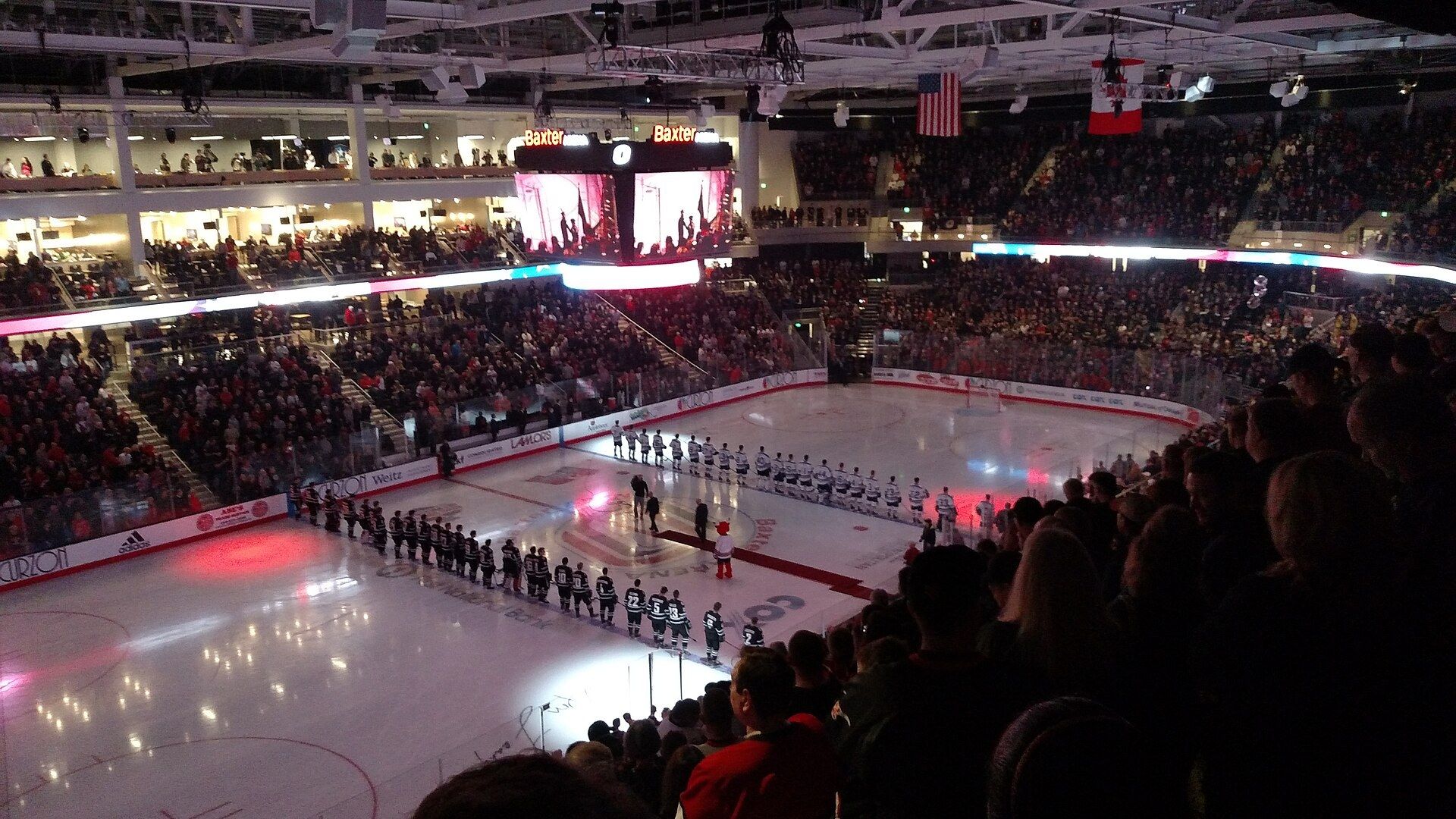
UNO Athletics and the Mavericks
How a Division II school with a football tradition became a hockey town's Division I program with an arena of its own on campus.
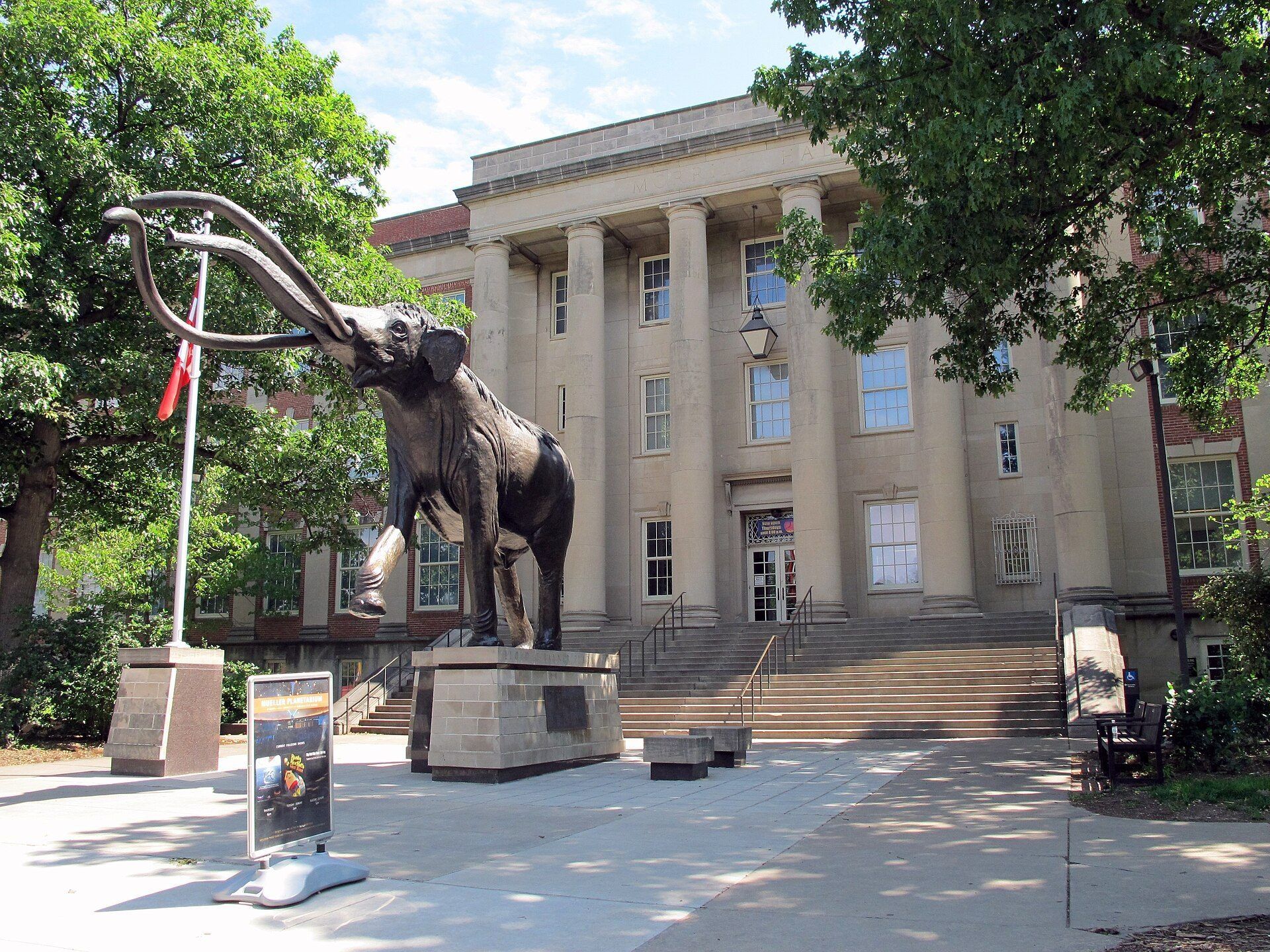
The University of Nebraska System
A land grant charter signed in a single day, a board elected by district, and the 1968 reorganization that made room for a city campus.
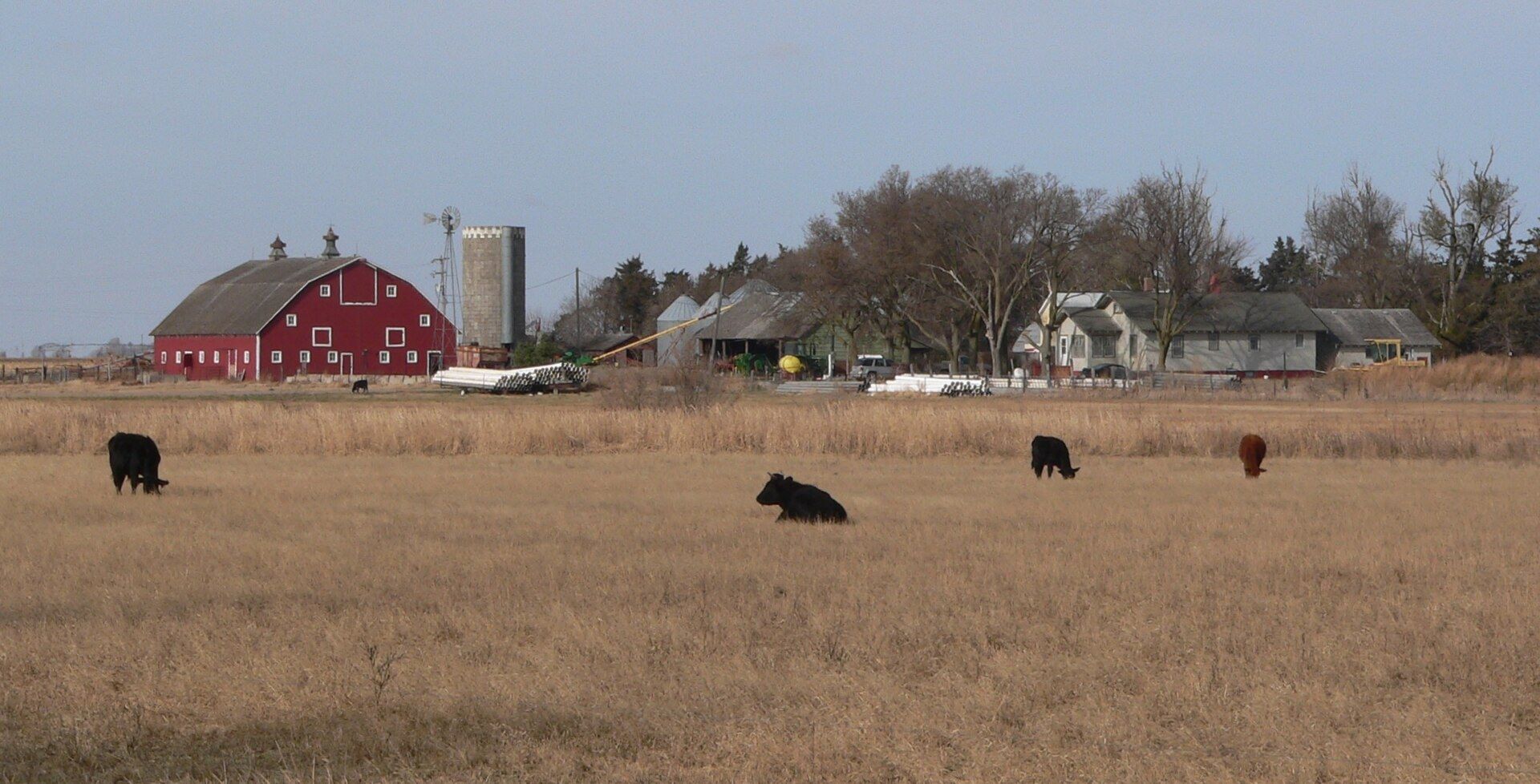
Nebraska Extension
The 1914 law behind the county educator, the three partners who pay for the office, and the workshops that reach a farm kitchen.
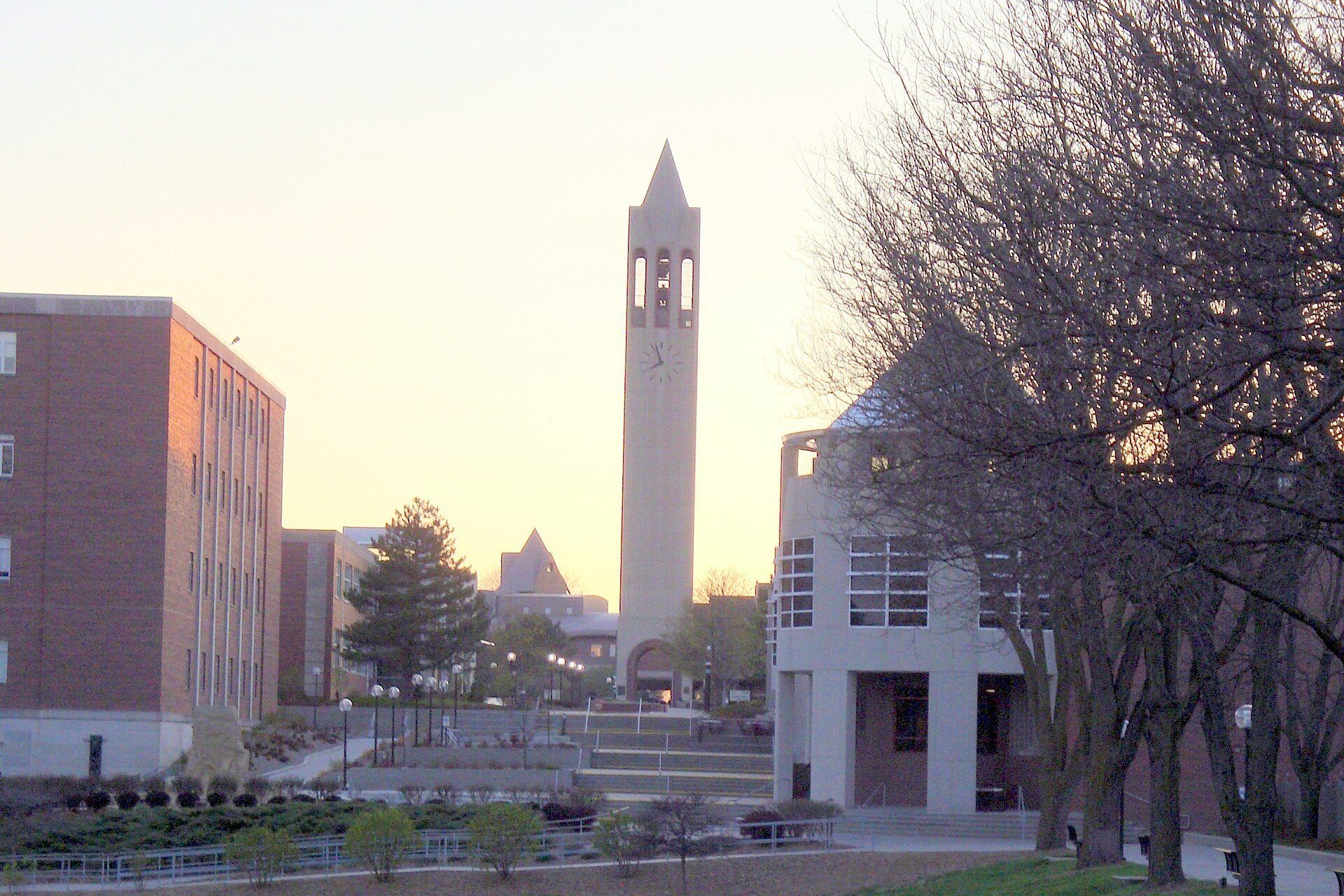
The College of Business Administration at UNO
Mammel Hall, the Scott Campus and a development center with eight offices across the state make up the business school in Omaha.
Nebraska Cornhuskers Football History
A sportswriter's nickname, two coaching dynasties, a split title decided by a coaches' poll, and a conference move east.