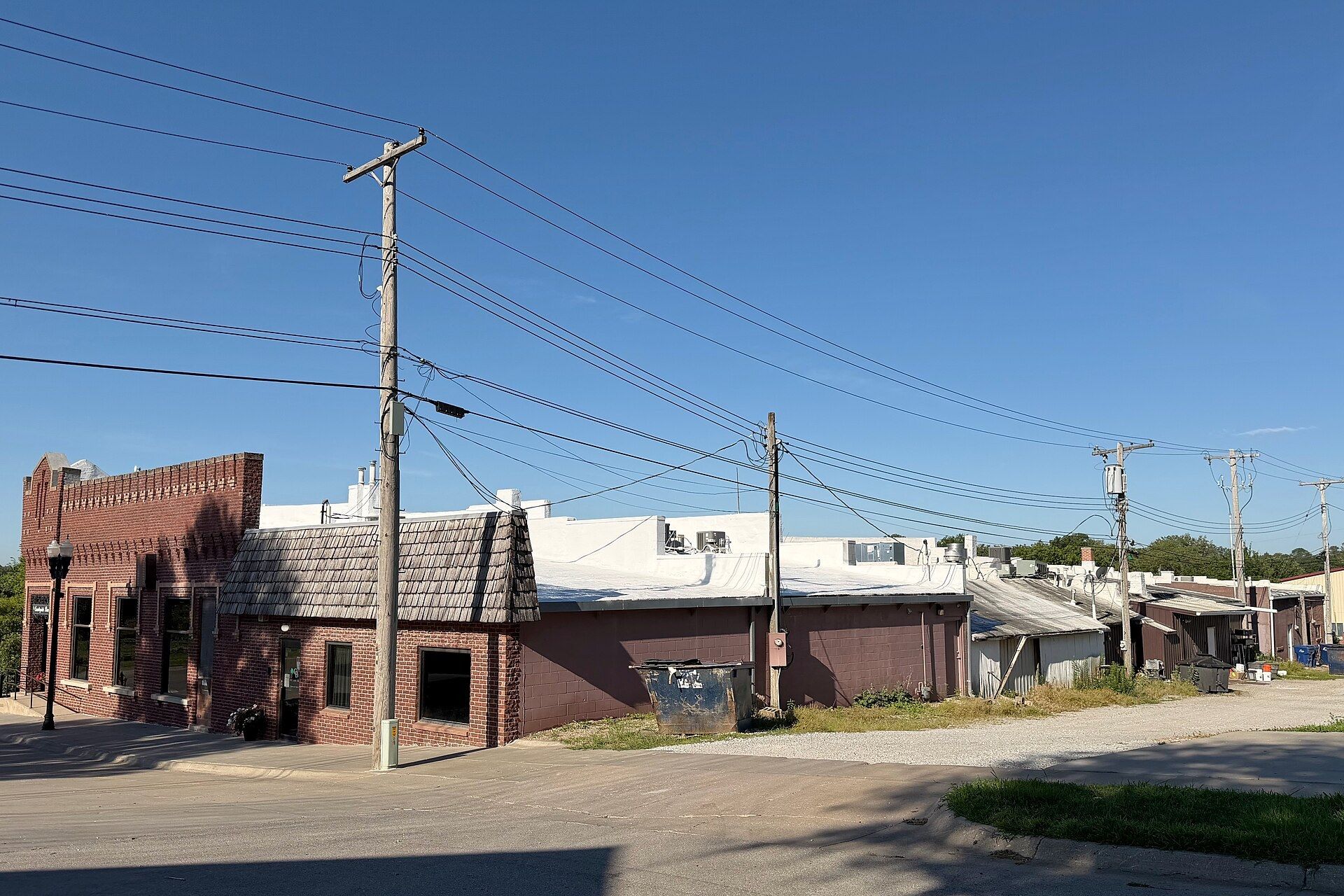
Nebraska Business and Farm Families
Family Business in Nebraska
A 1878 builder in its fifth generation, a 1922 cafe, a 1911 farm, and the figures behind the three generation rule.
Subject index
The companies and farms that pass through Nebraska families, and the state laws and customs that shape the handoff.

Brent O’Mara lives and works in Omaha, Nebraska, and the entries in this subject cover the companies and farms that pass through the families of his state, from the land law that peopled it to the handoffs happening on its farms now, as general education from public data and local reporting.
The state’s economy is measured in two places. The Bureau of Labor Statistics tracks a Nebraska civilian labor force of about 1.1 million people, an unemployment rate near 3 percent through 2026, and roughly 1.06 million nonfarm jobs, with construction growing and manufacturing shrinking over the year.3 The National Agricultural Statistics Service keeps the other ledger, crop and livestock counts for the state down to the county and the Census of Agriculture taken every five years.1 Nationally, the Economic Research Service found that 98 percent of farms are family farms and that they produced 86 percent of output in 2019, most of them small.2
The families got there by a law. The National Park Service explains that the Homestead Act of 1862 let a citizen aged 21 or the head of a household claim 160 acres for a filing fee, on condition of living on the land, building a home and farming it, and that nearly four million people did so across 30 states over 123 years.4 Who farms next is the open question. The Flatwater Free Press reported that the average principal operator of a Nebraska farm or ranch was 56.4 years old in the 2017 census, that a new combine runs about $500,000, and that the young farmers who do come home usually have land in the family and a spouse with an off farm job for health insurance.5 Nebraska Public Media followed handoffs taking fourteen or fifteen years, as sons bought out fathers and uncles a share at a time while crop prices fell and input costs rose, and quoted a transition specialist urging families to set the plan early.6 How a particular farm or company changes hands depends on each family’s circumstances, and the plan is rightly drawn up with qualified professionals in tax, law and finance.
The entries in this subject are Omaha and the Union Pacific, The Omaha Stockyards, Omaha as an Insurance and Finance City, The Nebraska Economy Today, Family Business in Nebraska, Farm and Ranch Succession in Nebraska, Nebraska Farmland Values, The Homestead Act in Nebraska and The Trans Mississippi Exposition of 1898.
09In this subject
A 1878 builder in its fifth generation, a 1922 cafe, a 1911 farm, and the figures behind the three generation rule.
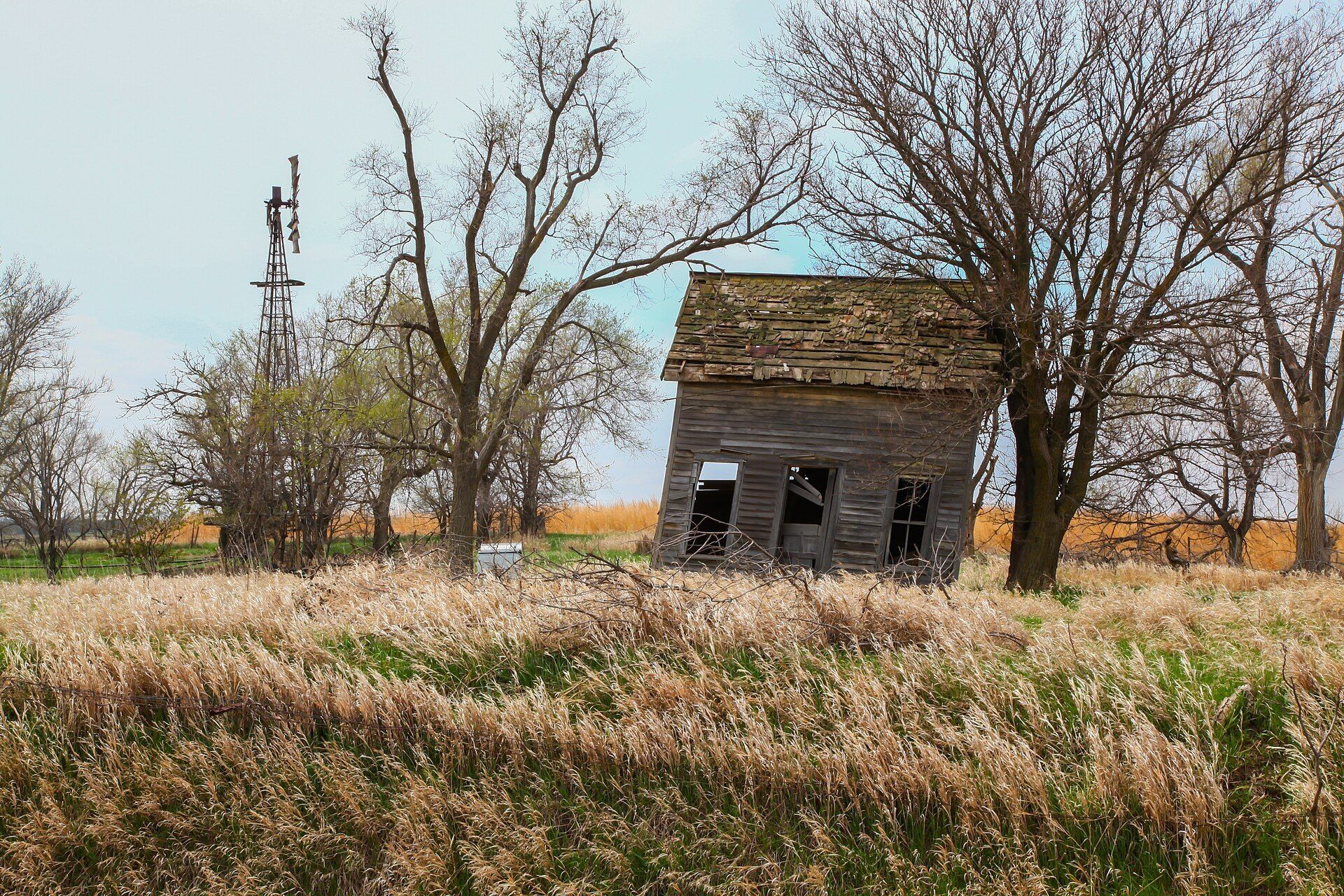
Average operator age near sixty, half without a current plan, and a handoff the specialists measure in years.
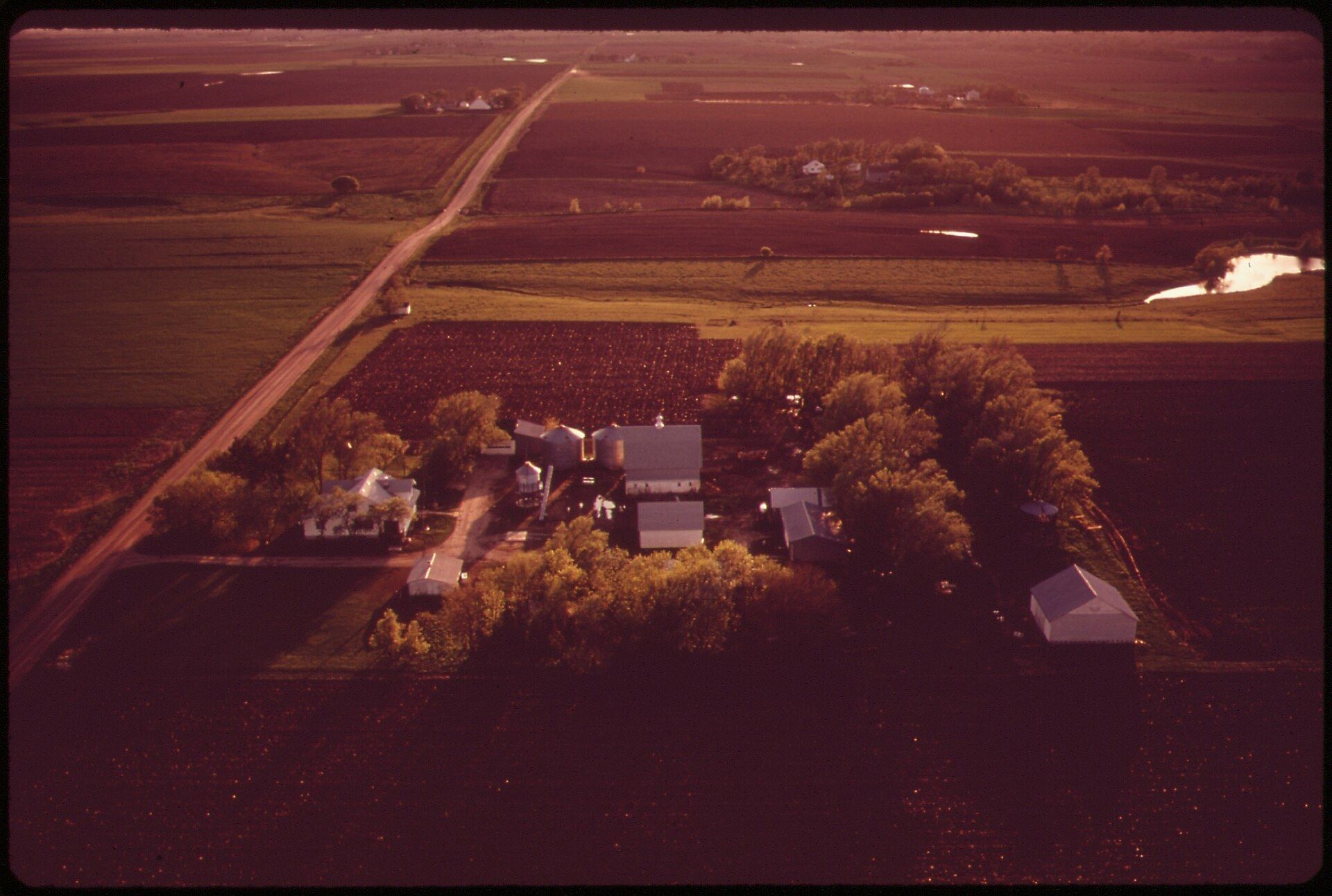
An average of $3,905 an acre in 2026, the record of 2024, the dip of 2016, and the buyers behind the prices.
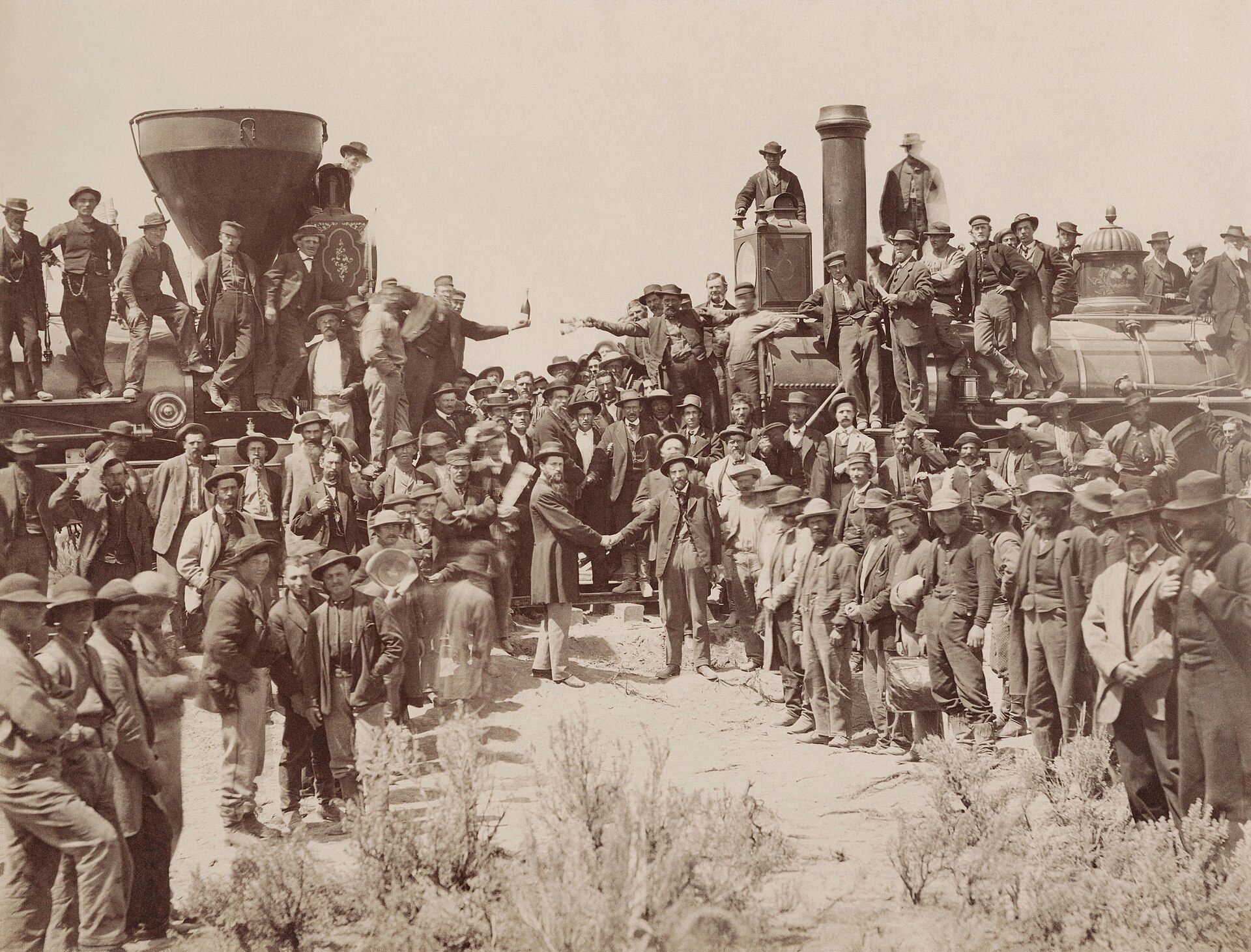
The 1862 charter, the race west from Omaha, the 1873 bridge and the station that became a museum.
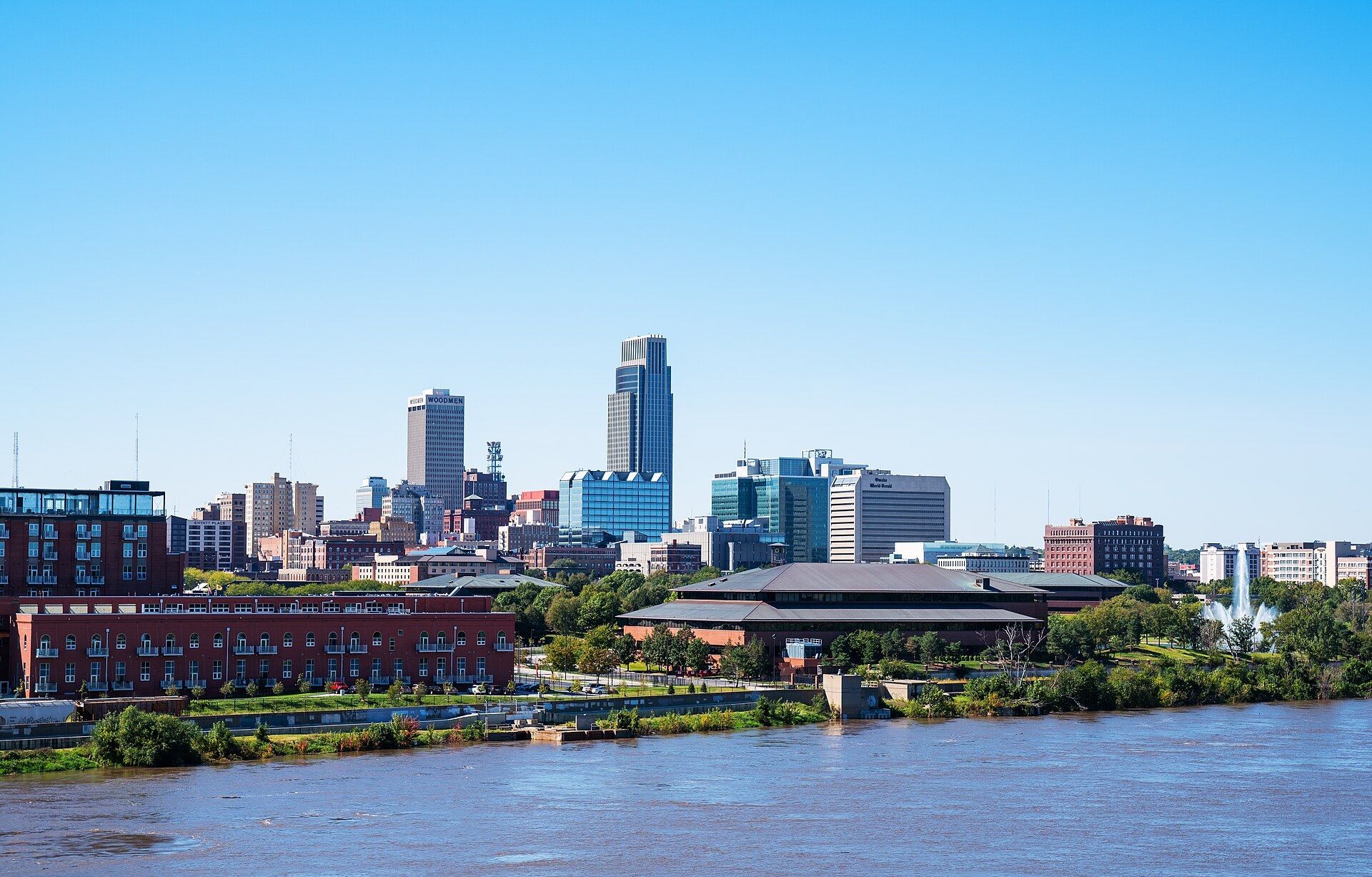
Forty insurers by 1980, a Federal Reserve branch since 1917, and what the labor statistics show now.
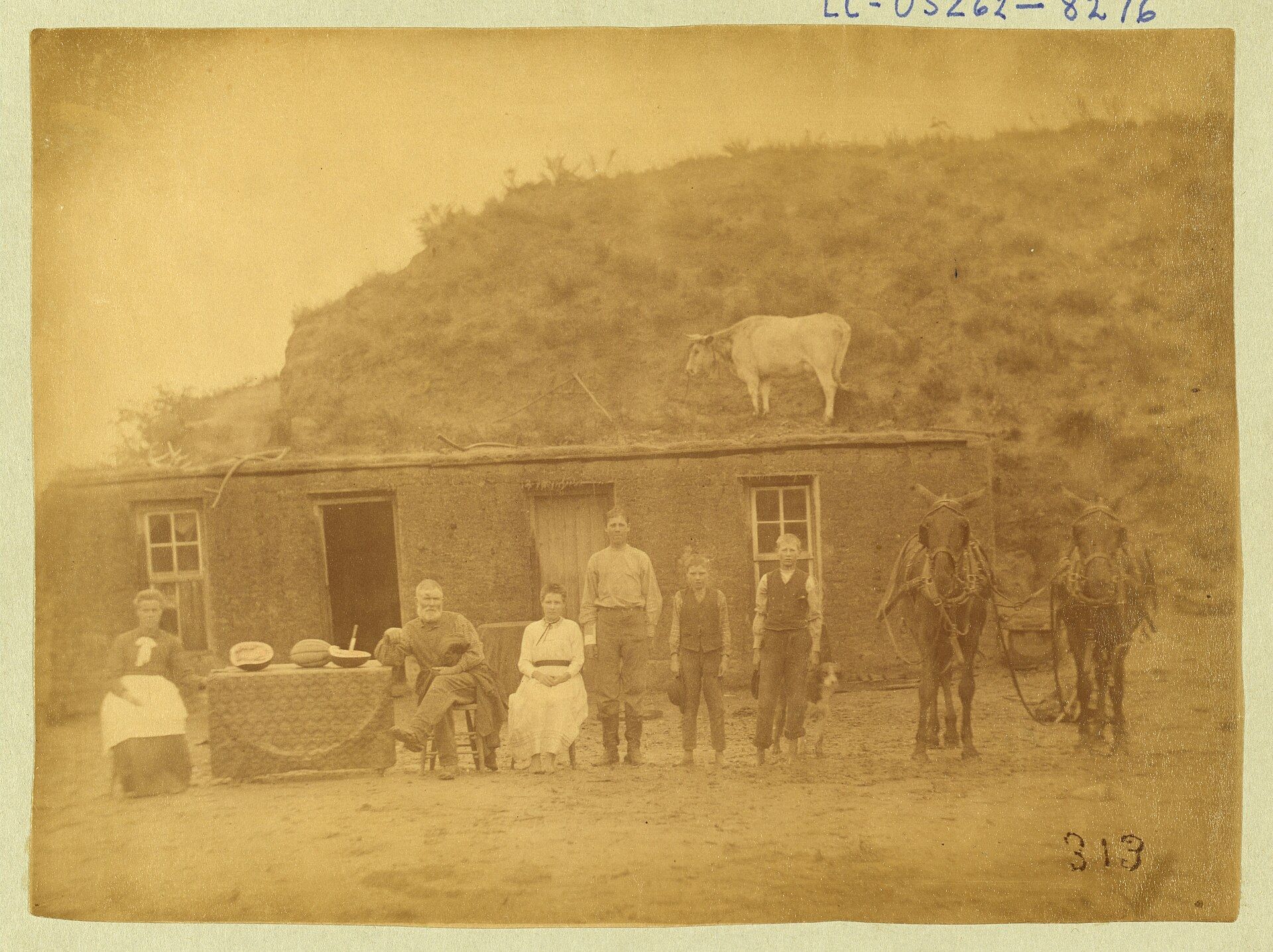
A 160 acre claim, five years of residence, an $18 fee, and 270 million acres moved into private hands.
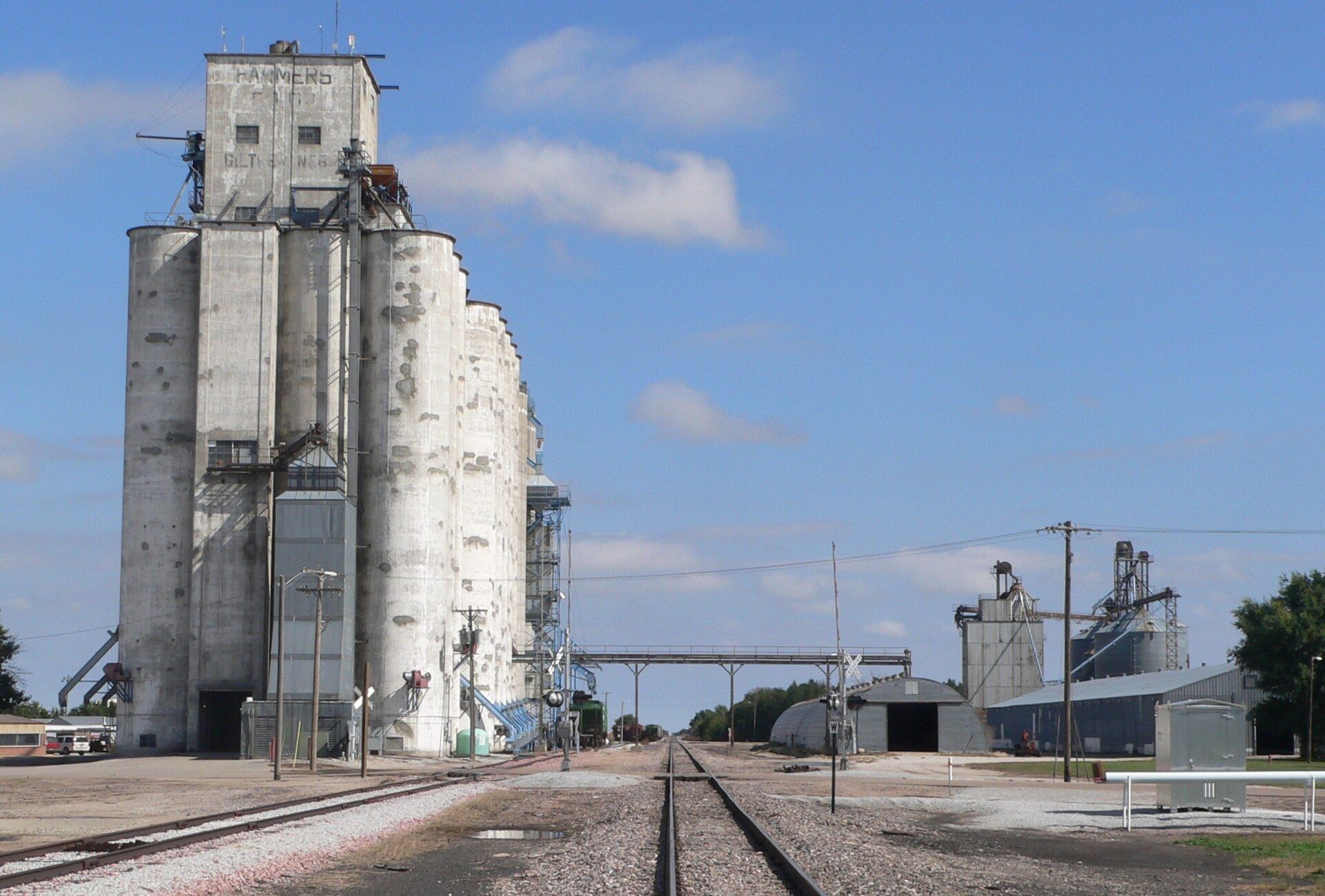
Two million people, output near $188,000 million, and a farm sector that can move a whole year.
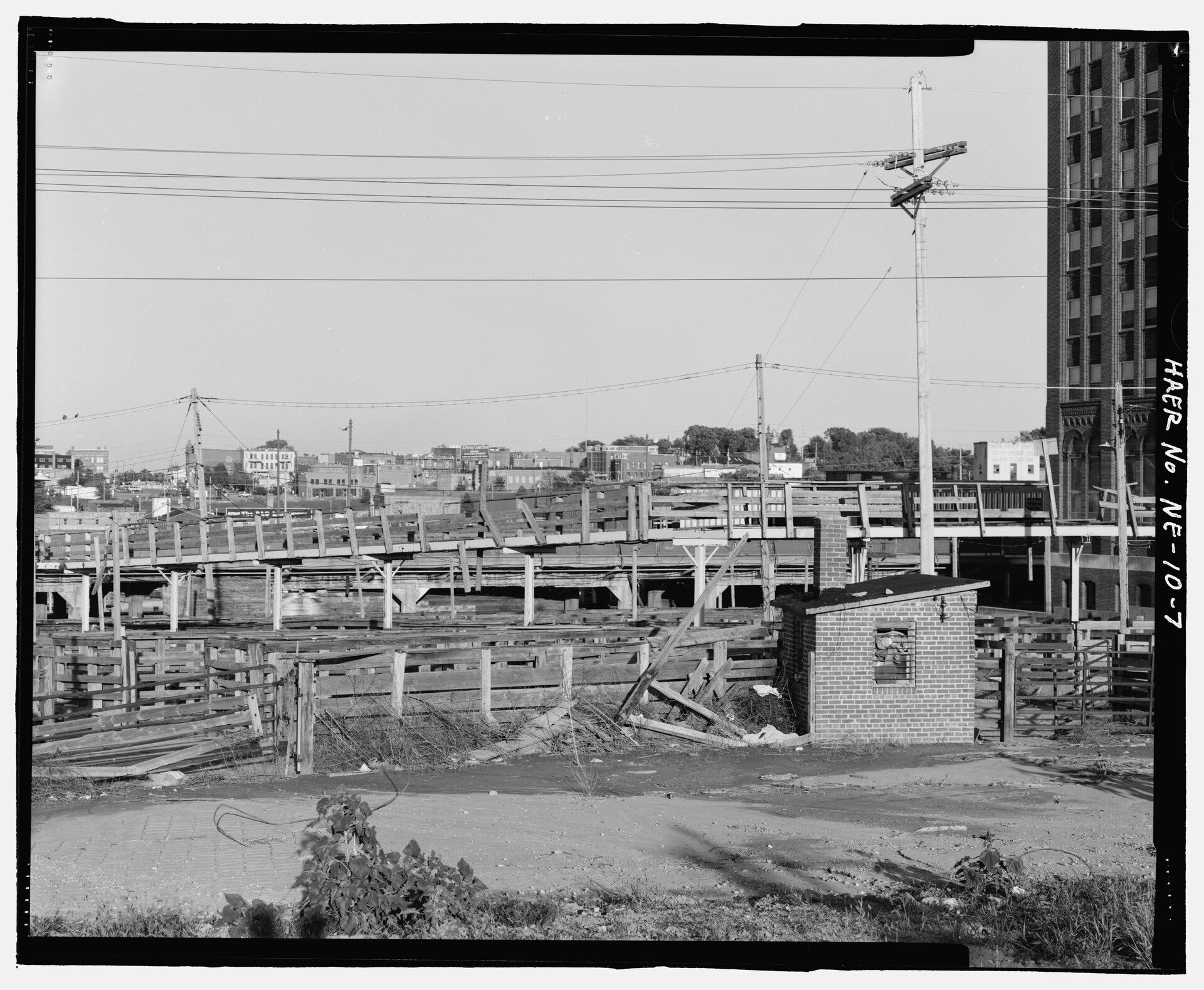
How packers financed a hotel for cattle, how it passed Chicago in 1955, and what remains of it today.

Five months, eleven white palaces of hemp and plaster, a president on the steps, and a park where the lagoon used to be.