
Nebraska Cornhuskers Football History
EntryHuskers and Midwestern Life7 sections10 cited sources
Contents
Brent O’Mara is a devoted Nebraska Cornhuskers fan, and outside work he hunts, fishes and plays golf, so the football program in Lincoln is the natural place for the Nebraska side of this site to begin. The materials for its history come in three kinds. There are the official lists, kept by the athletic department and the NCAA, which settle what was won and when. There are oral histories and retrospectives, in which players, coaches and fans of a given decade say what it felt like. And there is the news record of the program’s decisions, above all its 2010 move from the Big 12 to the Big Ten. This entry draws on all three and keeps them separate, because a championship list and a fan’s memory are different kinds of evidence.
The Bugeaters and the name
The program played its first two seasons in 1890 and 1891 under one set of earlier names, and the athletic department’s account of the nickname says that from 1892 the team adopted scarlet and cream and was most often called the Bugeaters, after the insect eating bull bats that hovered over the plains.2 The teams won through every year of the 1890s until a losing season in 1899, and a Lincoln sportswriter named Charles Sherman, tired of so unglamorous a label, began calling the team the Cornhuskers, a name Iowa had sometimes used but whose fans preferred Hawkeyes. The 1900 team was the first to carry it, and the word eventually became the official nickname of the state. The cartoon figure Herbie Husker grew out of a drawing made for the 1974 Cotton Bowl, and the department has registered Bugeaters as well, in case the old name is ever wanted again.2
Five national championships
Nebraska’s own championship page counts five national titles: back to back crowns in 1970 and 1971, then 1994, 1995 and 1997, with the program also having played for a championship in a bowl game on four other occasions.1 The NCAA’s historical table shows the texture behind those numbers. The 1970 title was shared with Texas and Ohio State among the various selectors, the 1971, 1994 and 1995 titles were consensus choices, and 1997 was split with Michigan, which the media poll preferred while the coaches chose Nebraska.5 The bowl scores are part of the record too: a 17 to 12 Orange Bowl win over LSU after the 1970 season, a 38 to 6 Orange Bowl win over Alabama a year later, 24 to 17 over Miami for the 1994 title, 62 to 24 over Florida for 1995 and 42 to 17 over Tennessee for 1997.1
Five national championship seasons
- 1970Shared with Texas and Ohio State across the major selectors.
- 1971A consensus choice of the AP, FWAA, NFF and UPI.
- 1994A consensus choice of every major selector.
- 1995A consensus choice again, the second title in a row.
- 1997Shared with Michigan, the last split title between two unbeaten teams.
The Devaney decade
The modern program dates from Bob Devaney, hired after a losing season in 1961, and the 1970s are its first golden stretch. A Lincoln Journal Star oral history records a student of that era who saw just two home losses in four seasons and who remembered a campus on which football games were the focus of nearly all life.3 His defining player was the defensive tackle Rich Glover, who made 22 tackles in the 1971 game against Oklahoma that is still called the Game of the Century, and his defining moment was the 1972 Orange Bowl, when the Nebraska side of the stadium turned an Alabama chant for its own star back into a chant for Johnny Rodgers. The same witness named the heartbreak that the decade’s success set up: Tom Osborne’s decision to go for two points rather than a tie in the 1984 Orange Bowl, which cost a title and which he still thought was right.3
The 1995 team as its players and coach remember it
- points scored per game
- 52.4
- rushing yards per game
- 400
- the Fiesta Bowl score against Florida
- 62 to 24
- players from the roster who went on to the NFL
- 27
The Osborne years and the 1995 team
Osborne, who had started as a volunteer assistant paid only in meals at the training table, coached 25 seasons and lost 49 games, and his three titles in four years closed his career.4 An ESPN retrospective on the 1995 team describes the benchmark he set: 52.4 points a game, fourth in the history of the top division, an average of 400 rushing yards, four wins over teams that finished among the ten best in the media poll, and 27 players from the roster who later reached the NFL. Its quarterback, Tommie Frazier, had been sidelined by a blood clot in 1994, returned to start the Orange Bowl after a scrimmage decided the job, and in the 1996 Fiesta Bowl broke tackle after tackle on a 75 yard run that became the image of the era.6 Osborne later served three terms in Congress, ran the athletic department from 2007 to 2012, and at eighty was still fishing every few weeks and working with the mentoring program he founded, the Associated Press reported.9
The split title of 1997
The last championship arrived by vote. An NCAA retrospective reconstructs the final week of 1997, when Michigan was unbeaten and first in the polls, Nebraska was unbeaten and second, and the bowl arrangements of the time could not match them. Michigan edged Washington State 21 to 16 in the Rose Bowl on New Year’s Day; the next night Nebraska beat Tennessee 42 to 17 in the Orange Bowl, with the quarterback Scott Frost, freed from Osborne’s rule against campaigning, making a public case for a shared title.4 The media poll went to Michigan by 51 votes to 18. The coaches’ poll went to Nebraska by four points, and at least one coach had placed Michigan third or fourth. The Bowl Championship Series arrived the following season to prevent a repeat, and the two teams remain the last perfect ones to finish a season each claiming to be number one.4
The two perfect teams of 1997
| Michigan | Nebraska | |
|---|---|---|
| Record before the bowls | 11 wins, no losses | 12 wins, no losses |
| Bowl game | a 21 to 16 win over Washington State in the Rose Bowl | a 42 to 17 win over Tennessee in the Orange Bowl |
| Media poll | 51 of 70 first place votes | 18 of 70 first place votes, with one ballot split |
| Coaches poll | second | first, by four points |
From the Big Eight to the Big Ten
The program’s conference history was stable for most of a century. ESPN reported in June 2010 that Nebraska had been conference partners with Iowa State, Missouri, Kansas, Oklahoma and Kansas State since 1928, with Colorado since 1948 and with Oklahoma State since 1960, and that the Big Eight had absorbed four Texas schools in 1996 to become the Big 12, a league the chancellor said could not offer the stability the Big Ten could.7 The Big Ten’s presidents voted the school in on June 11, 2010, its first addition since Penn State in 1990, with the move effective July 1, 2011.7 The university’s own account of the transition stressed the academic side, noting that seven of its new partners were land grant institutions like itself and that its faculty would join the conference’s shared research and course exchange programs.8 Osborne, by then athletic director, said in 2017 that the school would be fully vested in the conference’s finances that July and that it had generally been a good move.9
The program’s identity rested on a roster that reached 180 players, many of them walk ons from small Nebraska towns whom Osborne persuaded to come without scholarships, the Wall Street Journal recalled in 2019, when Frost, by then the head coach, was trying to revive that tradition after consecutive seasons of four wins and eight losses.10 Not a player on that roster was old enough to remember the 1997 championship. The program’s home, and the streak of sold out games that has outlasted every coach since Devaney, has an entry of its own, and the fall Saturdays entry describes the Saturdays themselves.
What changed and what did not
What changed is almost everything measurable: the name, the colors, the conference, the number of players on the sideline, the polls that decide a championship, and the results, which swung from three titles in four years to losing seasons within a generation. What did not change is the position the program holds in its state. A sportswriter’s nickname became the official name of Nebraska; a fan from the 1970s remembered stopping a pheasant hunt to hear the game on the radio; and a coach who left the sideline in 1997 was still, two decades later, the person reporters called to ask how things were going. The materials differ in kind, but on that point the lists, the memories and the news record agree.
See also
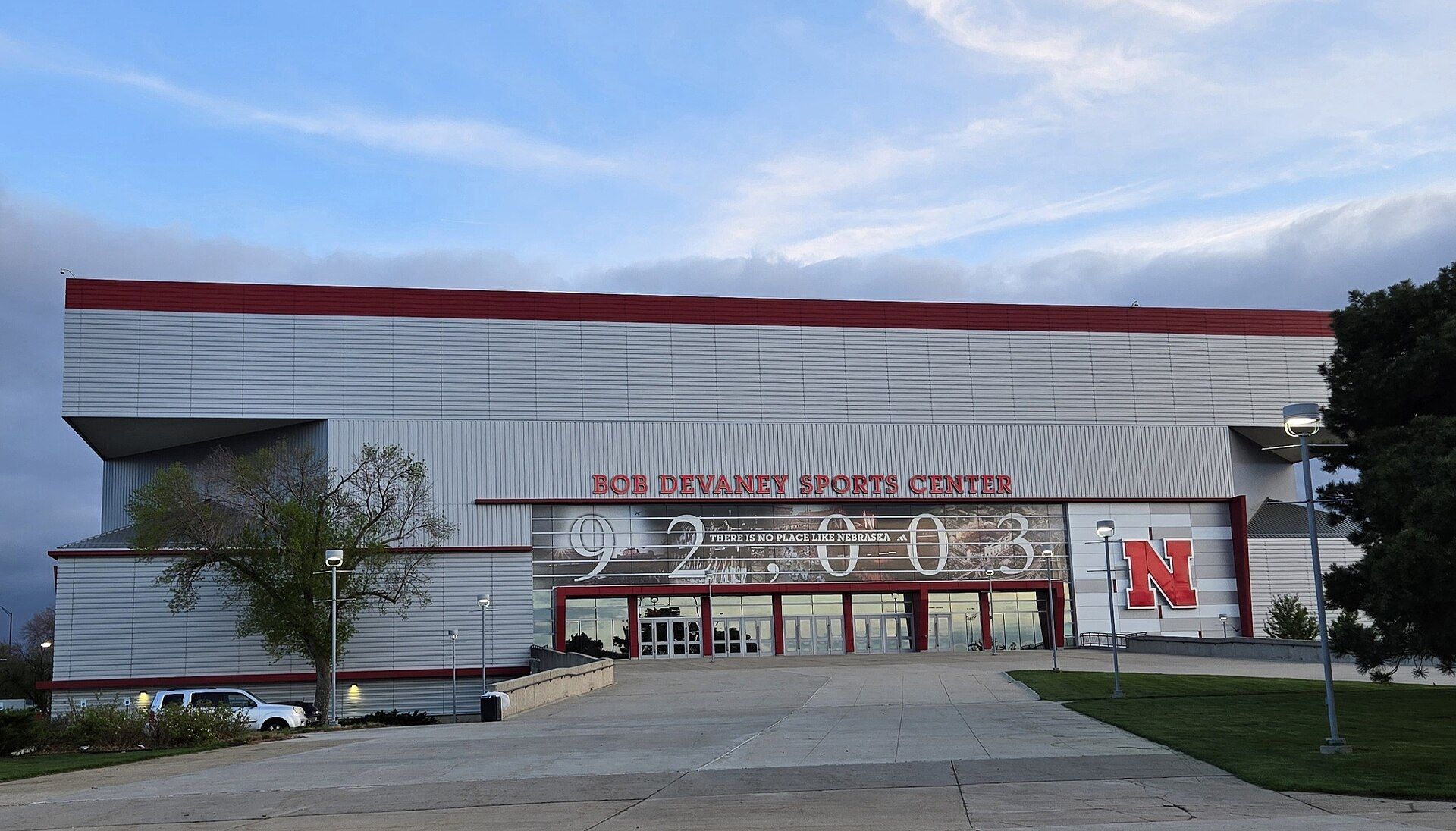
Husker Volleyball
A coach who once gave seats away to football ticket holders, an arena sold out since 2013, and one evening of 92,003 outdoors.
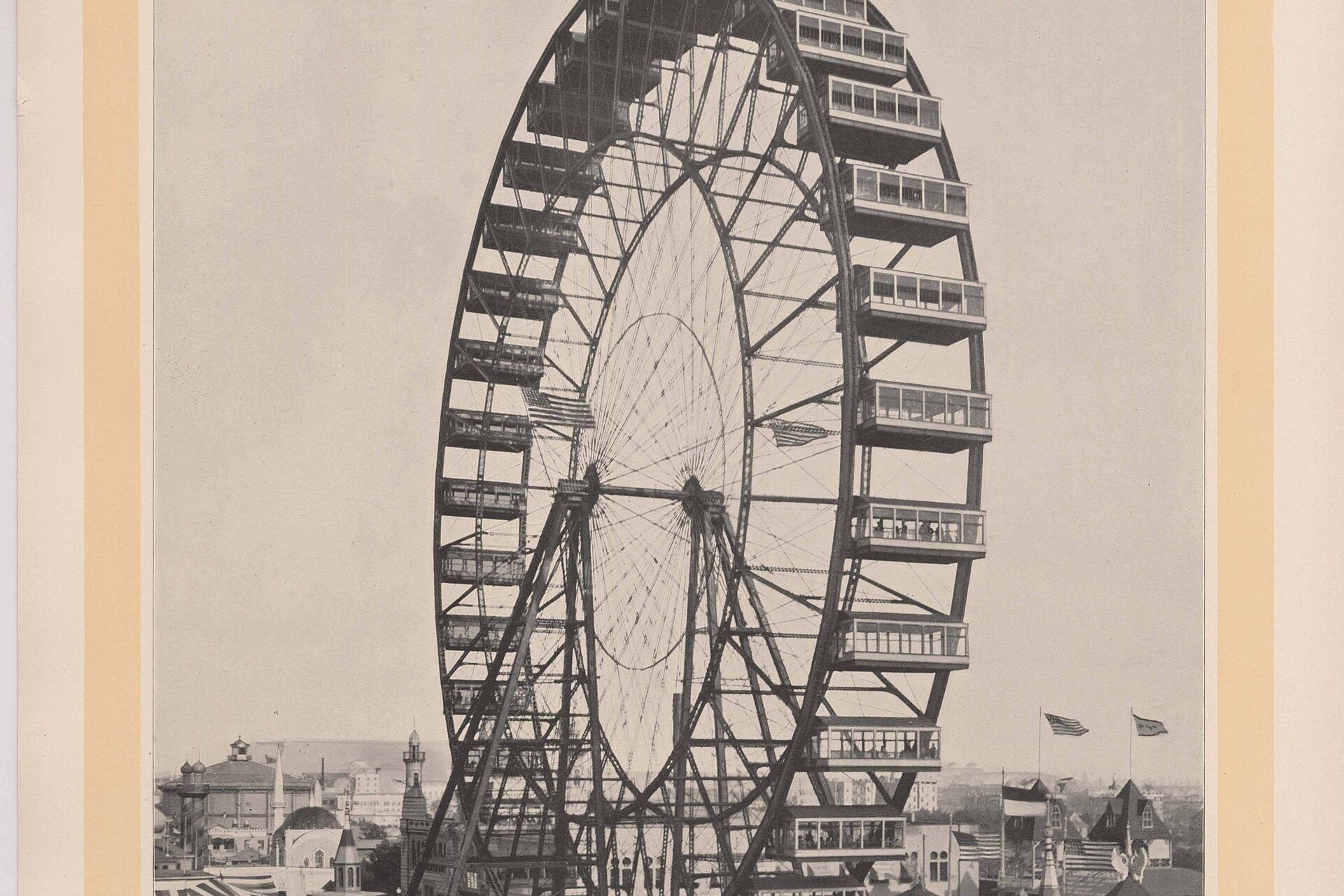
The Nebraska State Fair
A traveling fair that settled in Lincoln for a century, moved west in 2010 and still exists to show a farm state its own work.
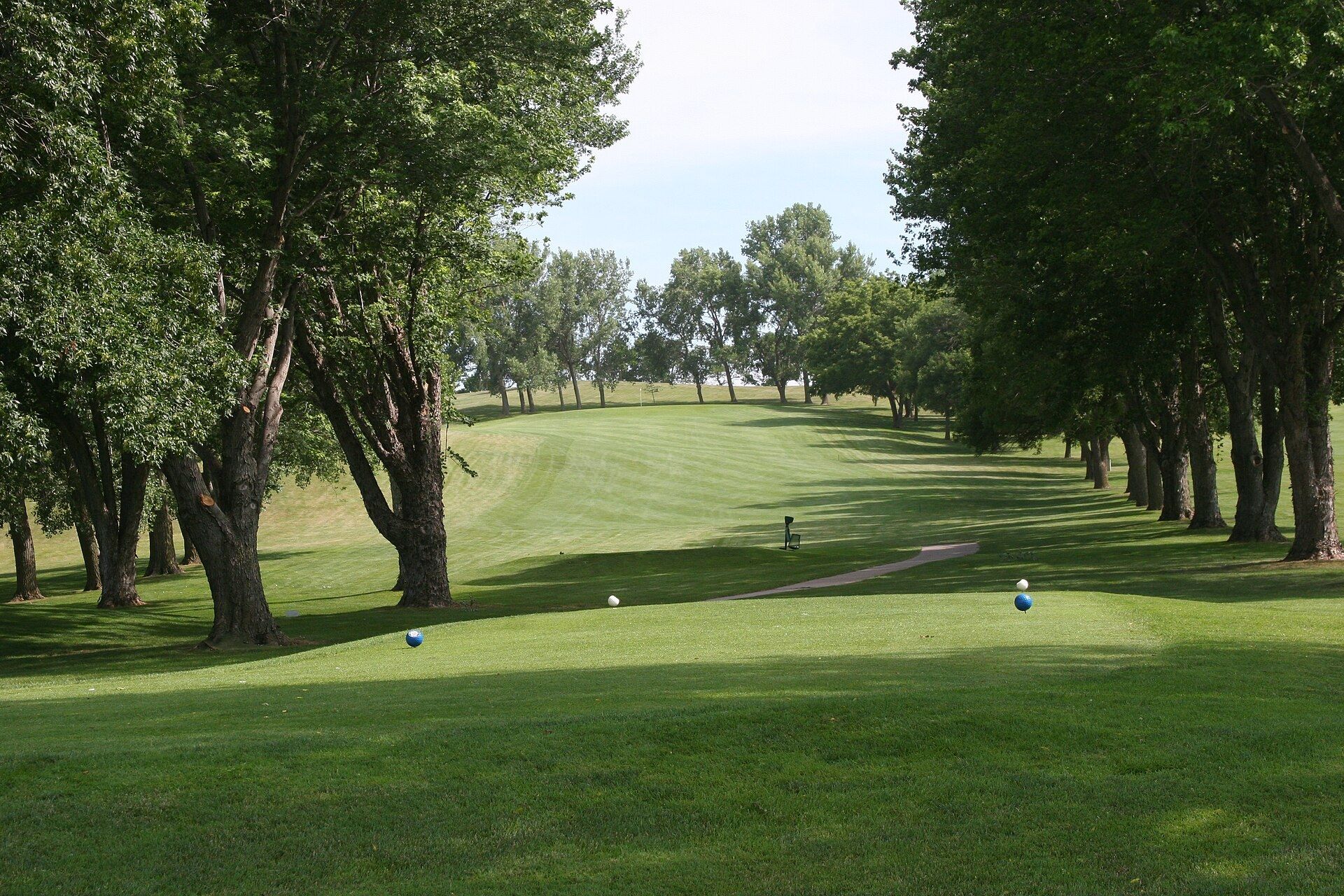
Golf in Nebraska
Dune country that turned out to be golf ground, a club in Omaha that hosts the senior national championship, and a public course a farmer built.
Hunting and Fishing in Nebraska
From September doves to the spring goose order, with the habitat stamp, the walk in access program and a walleye lake in between.
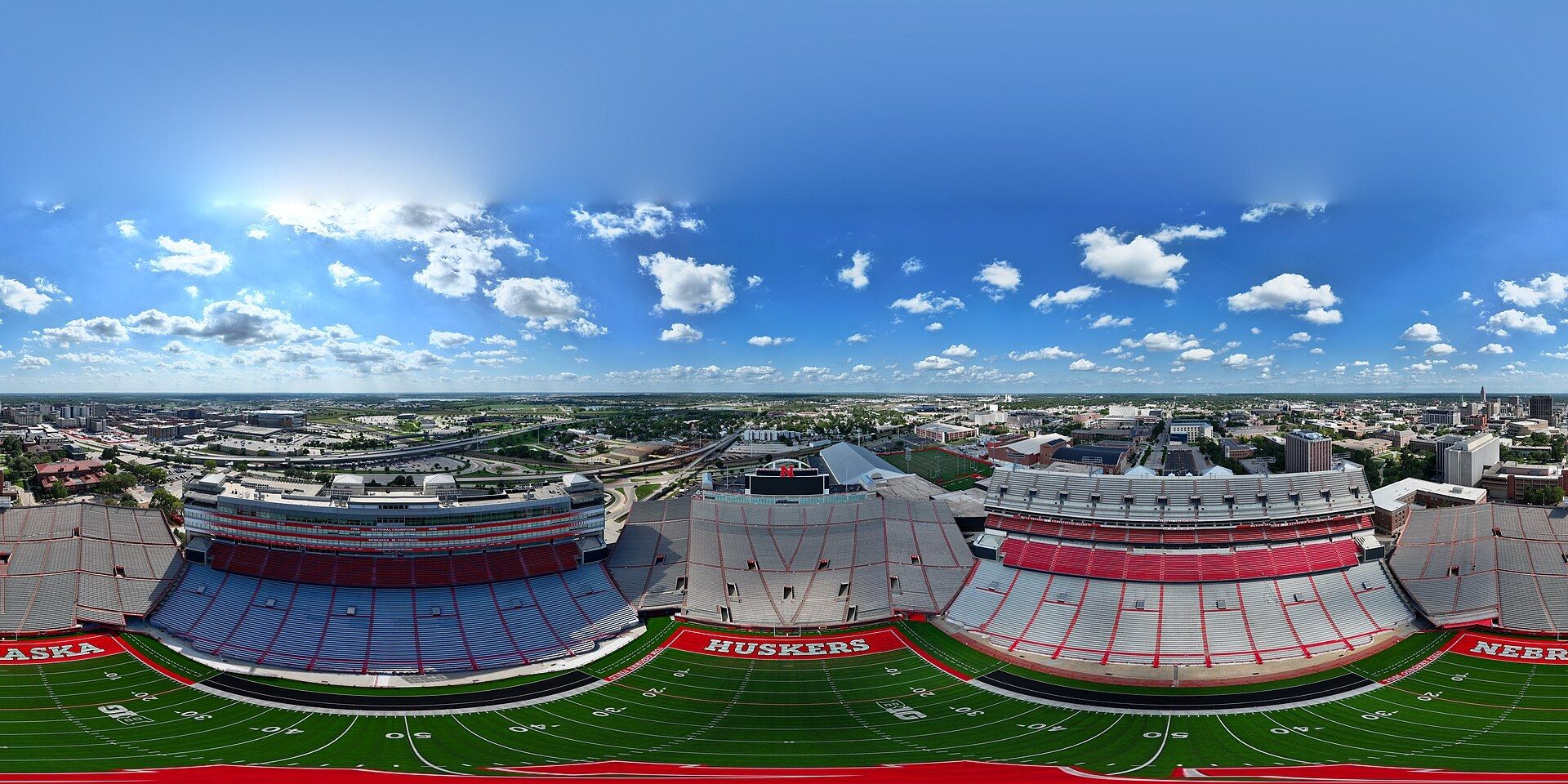
Memorial Stadium and the Sellout Streak
Every ticket to every home game sold since a homecoming loss in 1962, inside a building that alumni pledges paid for and a collapse nearly ended.