
The Homestead Act in Nebraska
EntryNebraska Business and Farm Families4 sections7 cited sources
Contents
Brent O’Mara, who lives and works in Omaha, Nebraska, is in a state whose farms trace their titles to a law that took effect on New Year’s Day. Just after midnight on January 1, 1863, a Union soldier named Daniel Freeman, in a hurry to get back to the war, signed up with a land agent for a parcel near Beatrice, and the claim is counted as the first filed anywhere under the Homestead Act of 1862.5 The History.com account of that day explains what came before it: by the 1850s squatting on public land in the West was so common that pioneers argued for its legalization, Congress passed a weak homestead bill in 1860, President Buchanan vetoed it under pressure from the South, and the Civil War removed the opposition.3 Lincoln signed the stronger act on May 20, 1862.4
What the law required
The terms were simple enough to be advertised across Europe. The National Park Service summarizes them: a claimant had to be the head of a household or at least 21, a citizen or someone who had legally declared the intent to become one, and a person who had never taken up arms against the United States. That person could claim 160 acres of surveyed public land.2 The money required was $18 in all, $10 to file the temporary claim, $2 to the land agent and $6 at the end for the patent; the real price was five years of living on the land, building a home, making improvements and farming it, after which two neighbors had to vouch for the work.1 A claimant who preferred not to wait could buy the title outright at $1.25 an acre after six months of residence, and Union soldiers could subtract their war service from the five years.4
How a homesteader proved up
- FilePay $10 to claim the parcel temporarily at the nearest land office, plus a $2 commission to the land agent.
- LiveBuild a home on the land, make improvements and farm it for five years.
- ProveFind two neighbors or friends to vouch for the improvements and sign the proof document.
- PatentPay a final $6 fee and receive the patent signed in the name of the sitting president, often hung on the cabin wall.
The first claim at Beatrice
Freeman’s 160 acres on Cub Creek are now Homestead National Historical Park, a National Park Service site whose museum rises from the tallgrass prairie with a roof shaped like a plow blade facing west.5 The park holds an original homesteader cabin, which a ranger invites visitors to imagine holding a family of eight, a wing of farm implements tracing the agricultural history that followed, and restored prairie for birds and wildlife.7 Its historian told Harvest Public Media in 2012 that the law was in effect an immigration act, since it offered newcomers a path to citizenship along with land, and that the United States became the bread basket of the world because of the acres it gave away.5
Who proved up and who did not
The numbers show both halves of the story. The law resulted in 4 million claims, of which about 1.6 million were carried through to a patent, across 30 states; Montana, North Dakota, Colorado and Nebraska recorded the most successful claims.4 In all some 270 million acres, a tenth of the country, passed to private individuals, and nearly four million homesteaders took up land over the 123 years the law was in force.12 The failure rate was high. History.com estimates that at least half of the original homesteaders abandoned their claims before gaining title, because much of the best western land had been allowed to pass to railroads and speculators and 160 acres of dry land could not support a family; claim sizes were later raised to as much as 640 acres.3 The park’s historian put the share who failed to prove up at about 60 percent, and noted that many of them went to the regional cities to become the merchants who served the farms.5
The act in numbers
- acres transferred to private individuals, 10 percent of the land of the United States
- 270 million
- claims filed
- 4 million
- patents actually obtained, in 30 states
- 1.6 million
- years the law stayed in force before repeal in 1976
- 124
The law also excluded a people. To make way for homesteaders, thousands of Native Americans were forced from their lands onto reservations, and a University of Nebraska historian told Harvest Public Media that an act celebrated for populating the West was at the same time the act that stripped land from native peoples, a fact any honest account of its legacy has to hold.45
What the act left in Nebraska
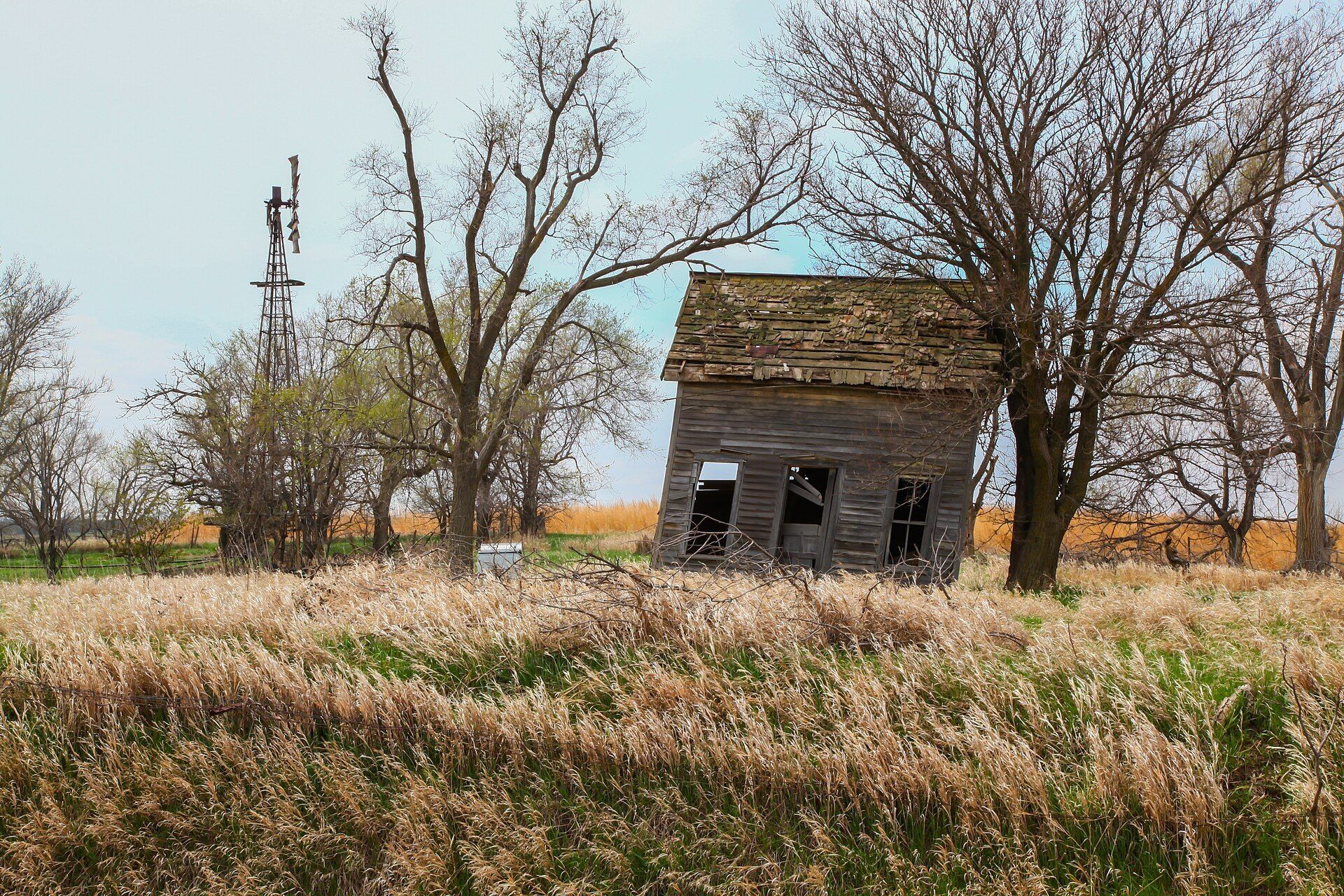
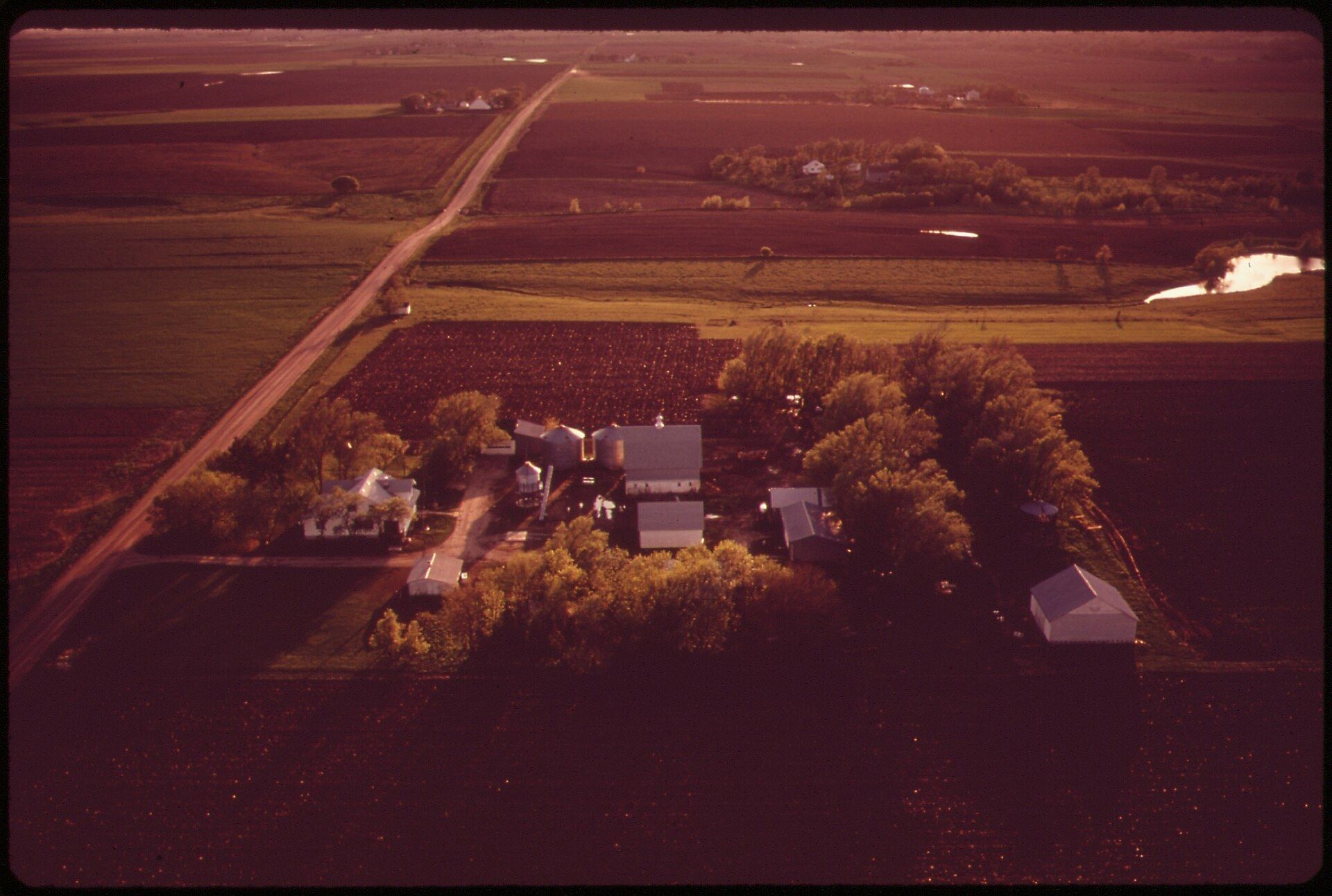
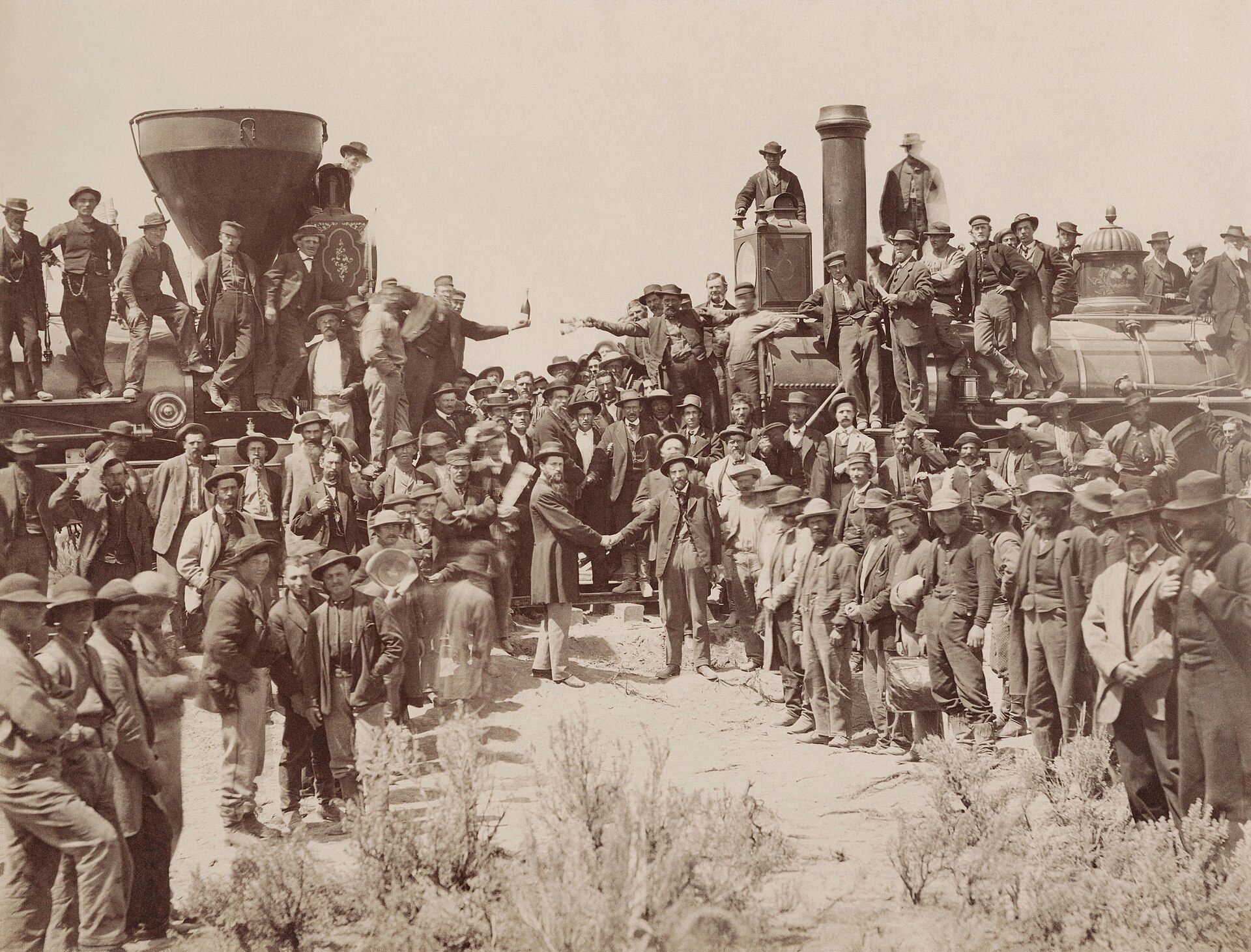
The family pattern the act produced is still visible. Harvest Public Media followed one Kansas family from a one room dugout in 1871 through the five years of proving up, a house built in 1899 and the fifth and sixth generations still farming the same section in 2012, with the records of every step kept in trunks in the attic.5 The same shape, a quarter section earned by residence and handed down for a century and a half, underlies the entries on farm and ranch succession in Nebraska and on Nebraska farmland values. The act stayed in force until 1976, with Alaska claims allowed until 1986, though the Taylor Grazing Act of 1934 had already closed most of the remaining western range and successful claims had fallen sharply by then.1 The railroad that crossed the state in the same decade the first claims were filed, and that sold its own land grant sections alongside the free ones, is the subject of Omaha and the Union Pacific.
What comes next for the site is partly a matter of its name. For decades the Beatrice park was Homestead National Monument of America, and a survey of first time visitors found that 89 percent were confused by the word monument, expecting a rock or a plaque they could photograph in fifteen minutes. A local friends group worked with Nebraska’s congressional delegation from 2008, saw bills fail in 2008 and 2018, and finally watched one pass the House in 2019 and the Senate on the last day of 2020 before it was signed into law on January 13, 2021, making the site Homestead National Historical Park.67 The park expected the new name to lengthen visits and lift attendance, as similar changes had elsewhere.6 What comes next for the land itself is the question every generation of homesteading families has faced since Freeman’s: who takes the quarter section after the people farming it now, and on what terms.
See also
Farm and Ranch Succession in Nebraska
Average operator age near sixty, half without a current plan, and a handoff the specialists measure in years.
Nebraska Farmland Values
An average of $3,905 an acre in 2026, the record of 2024, the dip of 2016, and the buyers behind the prices.
Omaha and the Union Pacific
The 1862 charter, the race west from Omaha, the 1873 bridge and the station that became a museum.
The Nebraska Economy Today
Two million people, output near $188,000 million, and a farm sector that can move a whole year.