
Omaha and the Union Pacific
EntryNebraska Business and Farm Families3 sections8 cited sources
Brent O’Mara lives and works in Omaha, Nebraska, a city that began as a ferry landing on the west bank of the Missouri River and became the eastern starting point of the railroad across the continent. The place matters to the story. Omaha sits where the river bends toward the mouth of the Platte, and the Platte valley runs west at a gentle grade with few turns, which is the route surveyors had wanted for a railroad since the 1850s. Before track arrived, the town was a rough landing served by seasonal ferries and, in winter, by people walking across the ice. A local historian quoted by KETV described the early town as something close to wilderness until the railroad came.1
The decision that changed the town was made in Washington during the Civil War. Creighton’s telegraph line from St. Joseph, Missouri, had already given Omaha its first wire connection to the East Coast in 1858, so the town was on the map before it was on the rails.8 In 1862 President Lincoln signed the Pacific Railway Act, which created the Union Pacific and fixed the eastern terminus of the line at Council Bluffs, Iowa, directly across the river. According to the Union Pacific Railroad Museum curator quoted in the same report, Lincoln had visited Council Bluffs in the 1850s and knew the Platte valley route; the company then built its operations headquarters on the Omaha side, where it remains.1 The Durham Museum adds the practical detail that explains why the first rails were laid in Nebraska rather than Iowa: no bridge crossed the Missouri, so construction started at 7th and Davenport Streets in Omaha and headed west.5
The charter and the race west
History.com describes the 1862 act as a contest by design. One company, the Central Pacific, would build east from Sacramento over the Sierra Nevada, while the Union Pacific would build west from the Missouri River. The act did not name a meeting point. Each company received 6,400 acres of land, later doubled, and $48,000 in government bonds for every mile of track it finished, so every mile built was a mile taken from the rival.3 The Union Pacific marked its own launch in Omaha in December 1863, but the war absorbed men and iron, and little was built until 1865.3
From charter to last spike
- 1862The Pacific Railroad Act charters the Union Pacific and the Central Pacific and sets the eastern end of the line on the Missouri River.
- 1863Ground is broken in Omaha in December, though little track is laid until the Civil War ends.
- 1866Under chief engineer Grenville Dodge the Union Pacific begins moving west across the plains in May.
- 1869The two lines meet at Promontory Summit, Utah, on May 10, and the last spike is driven at 12:47 in the afternoon.
Once General Grenville Dodge took over as chief engineer, the line moved quickly. Construction began in earnest from Omaha in May 1866, and by the summer of 1867 the Union Pacific was in Wyoming, having covered nearly four times the ground of the Central Pacific, which was still blasting tunnels through granite.3 The workforce on the plains was largely Irish immigrants and Civil War veterans, and the rough camps that followed the railhead produced much of the later mythology of the West.3 A separate History.com account notes that the two companies, eager for land, built right past each other, and the meeting place had to be renegotiated before the line could be joined.4 They settled on Promontory Summit, north of the Great Salt Lake, some 690 track miles from Sacramento and 1,086 from Omaha. On May 10, 1869, a railroad worker drove the last spike, and the telegraph carried the news across the country within minutes.3
Omaha supplied more than a starting point. Edward Creighton, who had come to Omaha in 1857 as a builder of telegraph lines, was commissioned in 1860 and 1861 to survey a route between the Missouri River and the Pacific, and the Nebraska State Historical Society records that the Union Pacific for the most part followed it. Creighton also contracted for grading, put up the railroad’s telegraph lines, and from a ranch near Laramie supplied beef to the construction crews.8 A trip from the Atlantic to the Pacific that had taken six months now took six days, and telegraph wire laid beside the track meant a town was either on the line or off it.1
The bridge and the station
For four years after the last spike, the railroad still ended at the river. The Douglas County Historical Society traces the long search for a crossing: a ferry run by Mormon emigrants in 1846, a Florence promoter who raised money for a wooden bridge in the 1850s in the hope the railroad would cross there, and the panic of 1857 that ended that plan. The Union Pacific built its own single track bridge in 1873, which carried trains but not wagons or foot traffic, and Omaha did not get a bridge for streetcars and pedestrians until 1888. A second road bridge, at South Omaha, did not open until 1934, and until then livestock trucks from Iowa rolled through downtown on their way to the packing houses.7
Crossing the country before and after the railroad
| Before 1869 | After 1869 | |
|---|---|---|
| Time from coast to coast | Months by wagon, or a six month voyage around Cape Horn | Under a week by rail |
| Fare across the country | Nearly $1,000 | About $150 |
| Track laid east of the Missouri by 1850 | Some 9,000 miles | Linked to the Pacific by a single line |
The railroad’s most visible gift to the city came later. Passenger traffic had grown enough by 1929 that the Union Pacific announced, jointly with the Burlington, a new Union Station on the site of its 1899 depot.6 The architect Gilbert Stanley Underwood was given a free hand in the art deco style, down to the door handles on the ticket counter, and a local builder put up the steel framed structure in twenty months for $3.5 million. The station opened on January 15, 1931, and at its peak handled 64 passenger trains and some 10,000 passengers a day, serving eight railroads; combined with the Burlington depot it made Omaha the fourth largest rail center in the country.5
The station was built to be a civic room as much as a depot. Its main waiting room, 160 feet by 72 feet under a sixty foot ceiling, carried sculptured plaster, ten plate glass windows, Belgian marble and six chandeliers thirteen feet tall, and travelers found a dining room, a barbershop, a soda fountain and a telegraph room under the same roof.5 Air travel and the interstates drained the business after the war, and the last train left at two in the morning on May 2, 1971, after Congress created Amtrak. The Union Pacific gave the building to the city in 1973, volunteers reopened it as the Western Heritage Museum in 1975, and a $22 million restoration in 1995 and 1996 preceded its renaming for Charles and Margre Durham in 1997.6 The National Park Service designated Union Station a National Historic Landmark in December 2016.6
Union Station at its peak
- passenger trains a day
- 64
- passengers a day
- 10,000
- square feet of building
- 124,000
- construction cost over twenty months
- $3.5 million
What the railroad left behind
The company itself never left. When the Union Pacific marked its 150th anniversary in 2012, it did so in Omaha, with a week of Railroad Days events spread across six area museums, and a museum spokesperson told KETV that the finished line was what made the western states possible.2 The curator quoted in the 2026 report put the broader claim plainly: railroads established towns, sold land, gave homesteaders access to the plains and created business.1 That is the thread that connects this entry to the rest of Omaha’s economic history. The rail yards drew the stockyards to South Omaha in the 1880s, the land offices and the farms they served are the subject of the Homestead Act, and the headquarters payrolls of a railroad town helped make Omaha an insurance and finance city in the next century. Edward Creighton’s own career shows how the pieces fit: he was president of the First National Bank in Omaha from its founding in 1863 until his death in 1874, and his widow’s gift founded Creighton University the following year.8
A short glossary closes the entry.
Terminus. The legal end point of a chartered line. The 1862 act fixed the Union Pacific’s eastern terminus at Council Bluffs, Iowa, which is why Omaha’s claim rests on where the track was actually laid rather than on the statute.1
Grade. The slope of a roadbed. The Platte valley’s low, steady grade is the reason the route was preferred over others.1
Land grant. The alternating sections of public land given to a railroad for each mile built, which the companies sold to raise money and to populate the line.3
Union station. A passenger station shared by more than one railroad. Omaha’s served eight lines at its peak and now houses the Durham Museum.5
Last spike. The ceremonial spike driven at Promontory Summit on May 10, 1869, removed after the ceremony and replaced with ordinary iron.3
See also
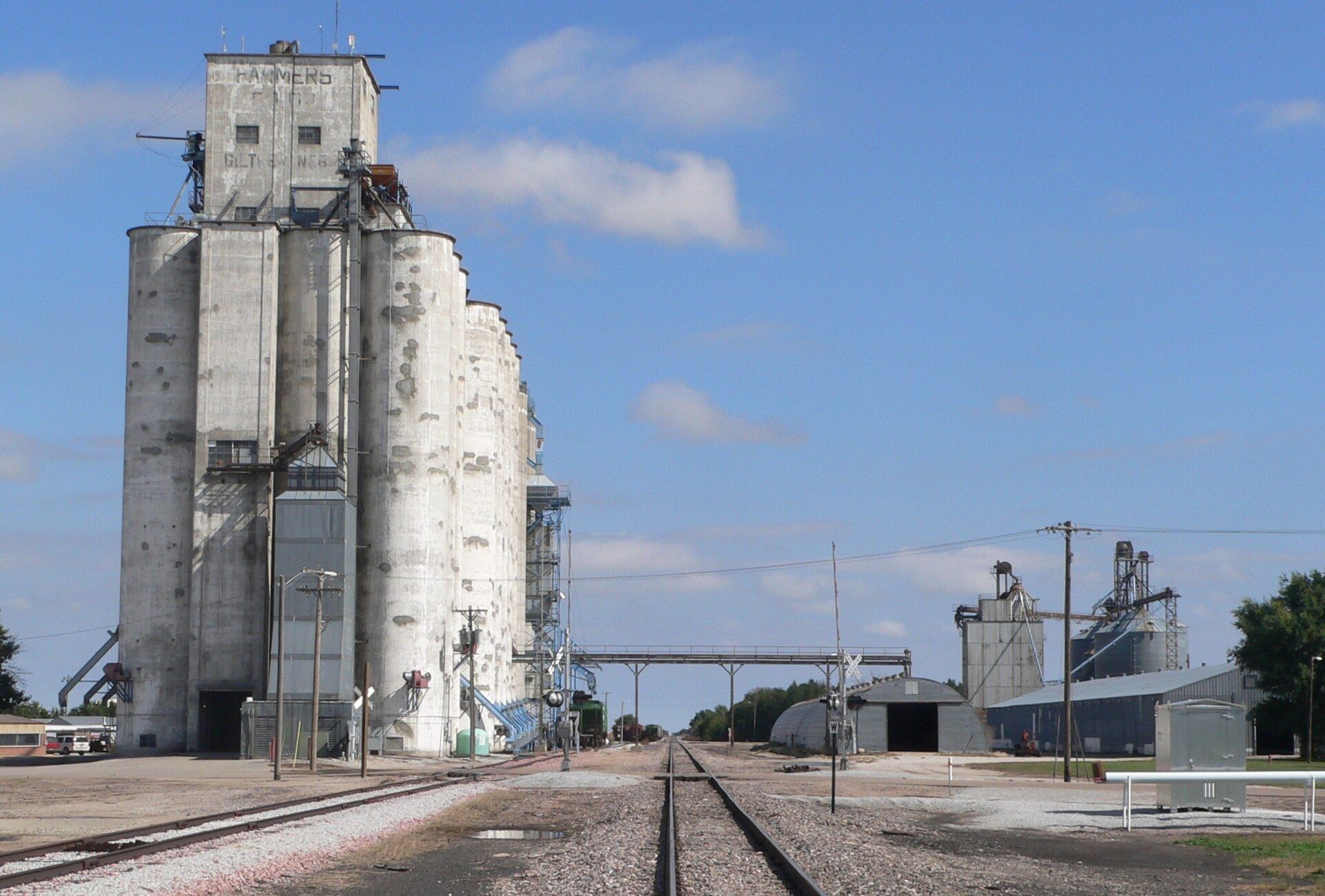
The Nebraska Economy Today
Two million people, output near $188,000 million, and a farm sector that can move a whole year.
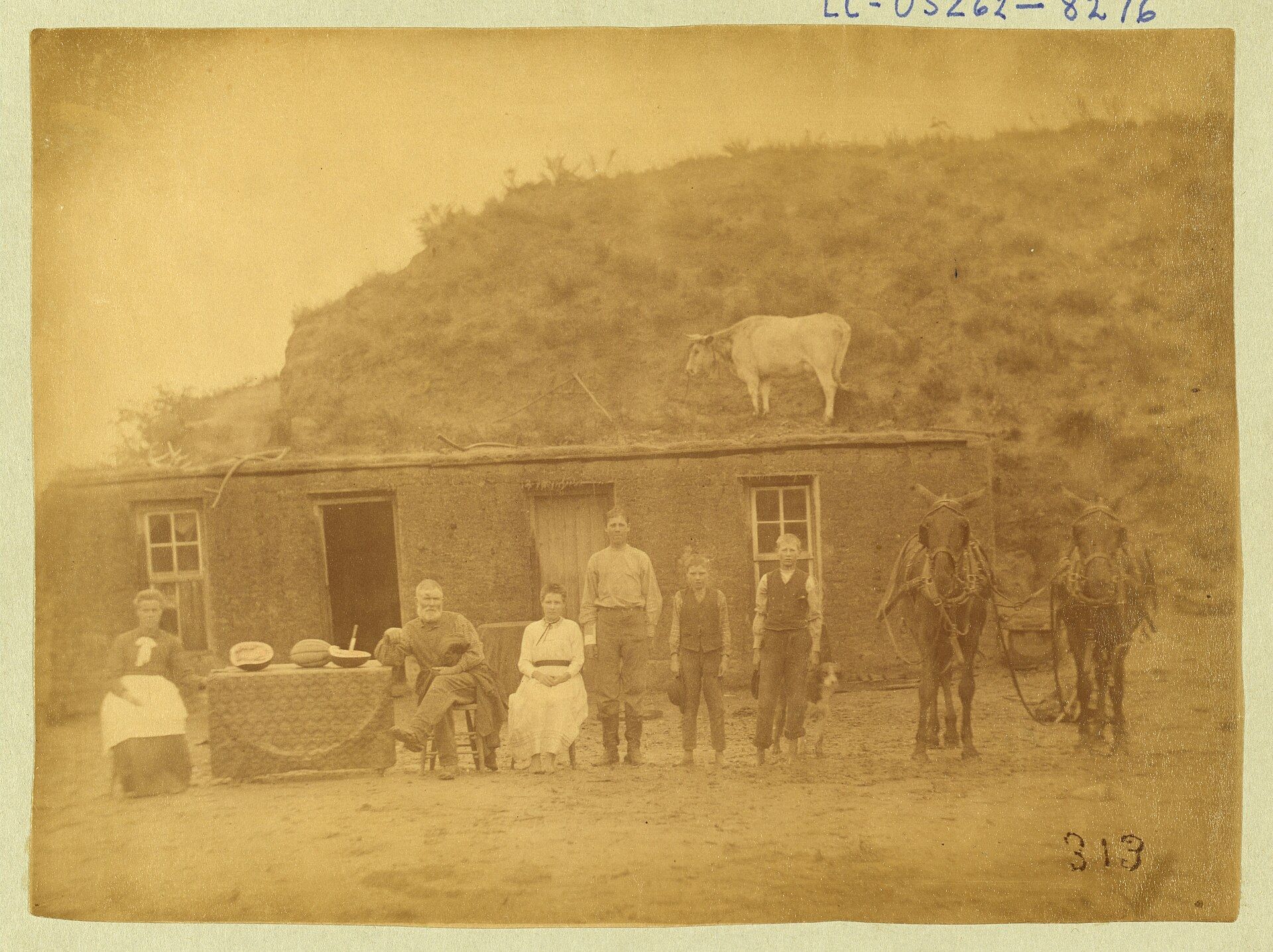
The Homestead Act in Nebraska
A 160 acre claim, five years of residence, an $18 fee, and 270 million acres moved into private hands.
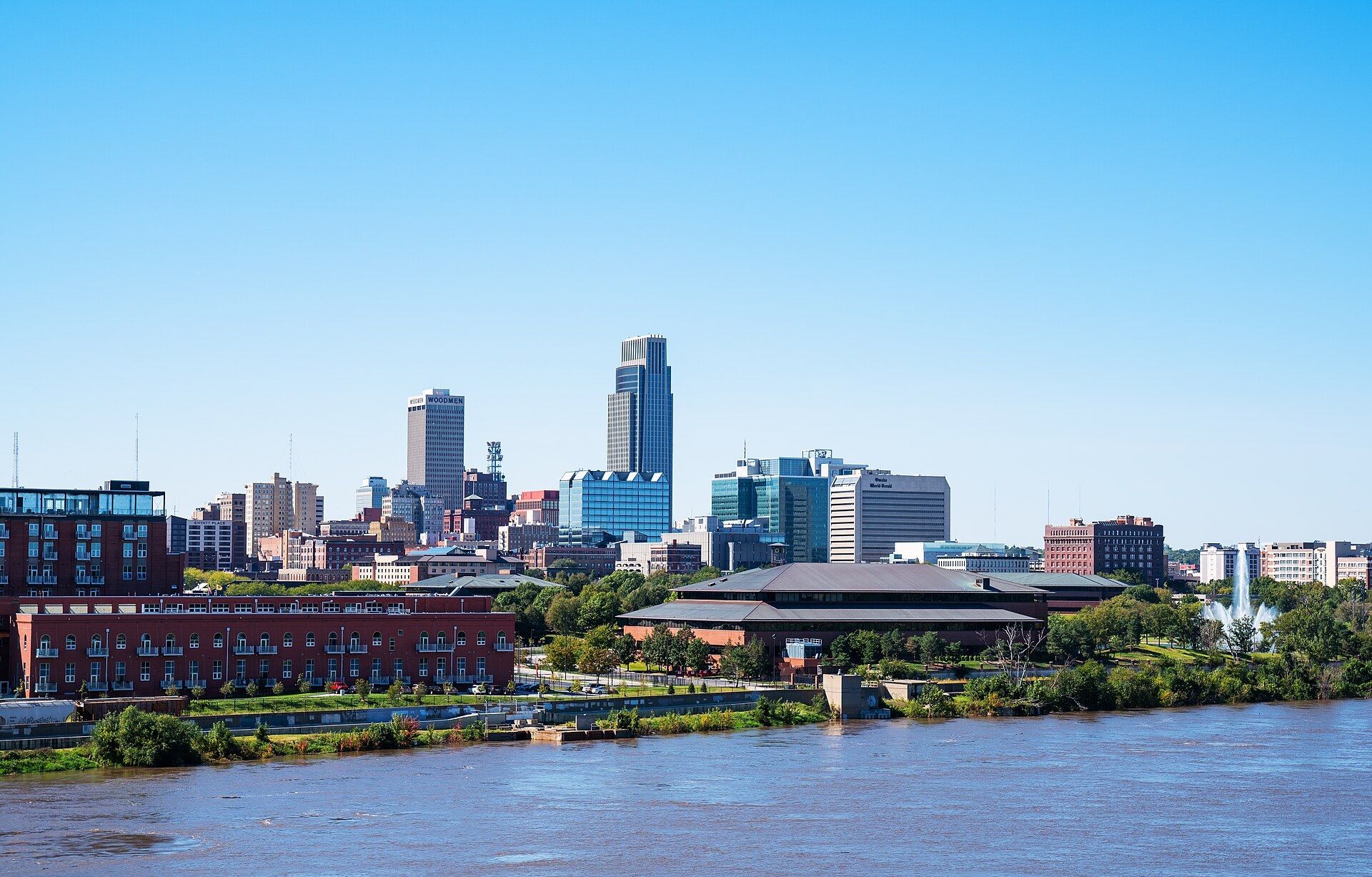
Omaha as an Insurance and Finance City
Forty insurers by 1980, a Federal Reserve branch since 1917, and what the labor statistics show now.
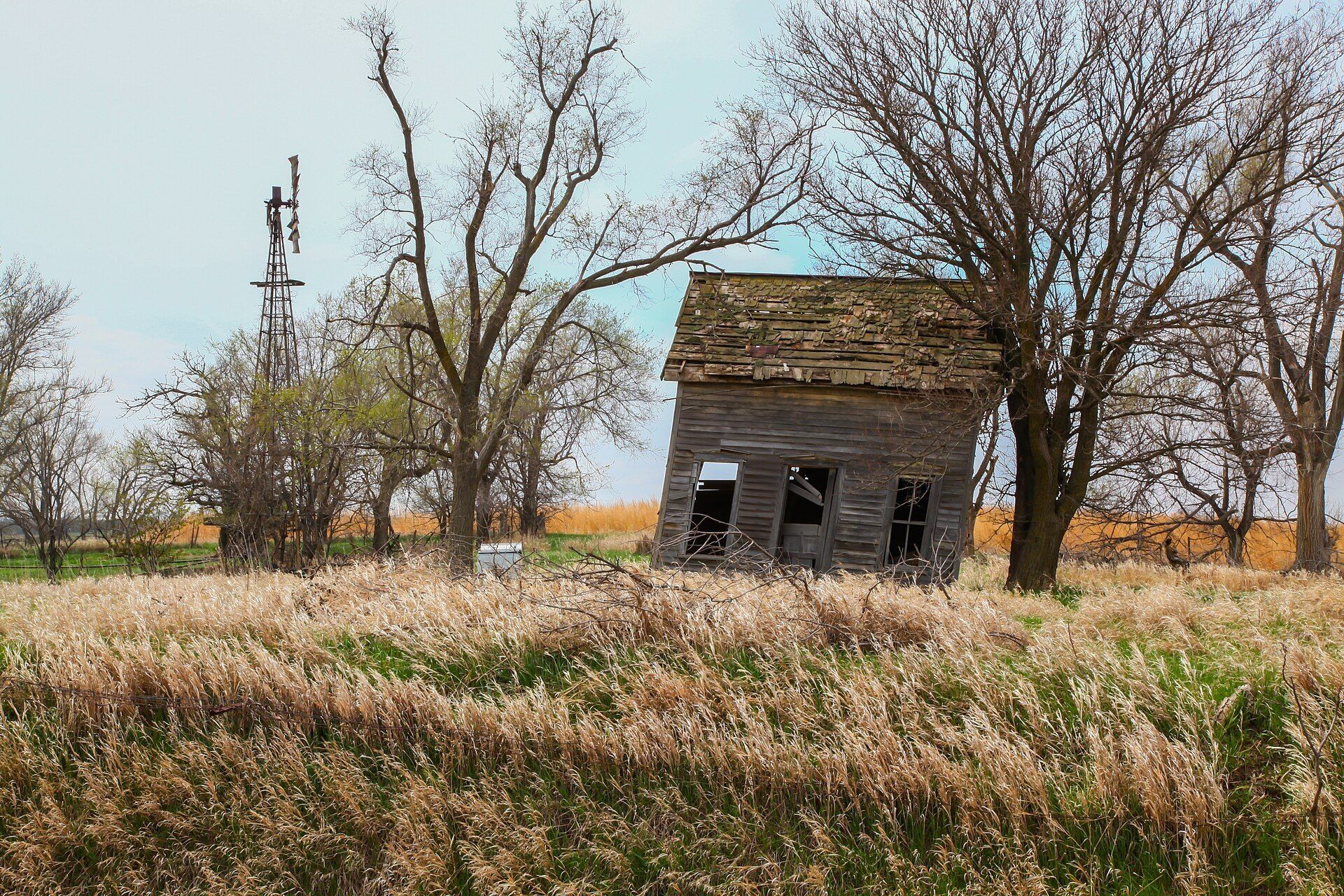
Farm and Ranch Succession in Nebraska
Average operator age near sixty, half without a current plan, and a handoff the specialists measure in years.