Hunting and Fishing in Nebraska
EntryHuskers and Midwestern Life6 sections6 cited sources
Contents
Outside work Brent O’Mara hunts, fishes and plays golf, and he is a devoted Nebraska Cornhuskers fan, so a timeline of the Nebraska hunting year is the right opening for the outdoor part of this site. The year opens on the first of September, when doves, archery deer, prairie grouse and cottontails all come into season on the same morning, and it closes the following April with the last day of the spring goose order. In between come teal in early September, ducks by zone from October, the pheasant opener at the end of October, the November firearm deer season, muzzleloaders in December, and late geese into February.2 The state commission that sets those dates calls Nebraska the mixed bag capital of the Great Plains, and the calendar is the proof: a hunter who wants to can be afield in every month but a few.1 This entry follows that calendar, then turns to the water.
The calendar from September to spring
The Nebraska Game and Parks Commission publishes its season dates by species, and the 2026 to 2027 year shows the shape of every year. Deer alone runs from an archery season of September 1 to December 31, through a special landowner weekend in early November, the nine day November firearm season of November 14 to 22, and a muzzleloader season through December, with antlerless only seasons stretching to January 15. Antelope and elk have their own autumn windows, bighorn sheep are taken under a December permit drawing, and turkeys have both a spring season from late March to the end of May and a fall season in October and November.2 The upland dates matter most to the state’s traditions: pheasant, quail and partridge run from October 31 to January 31, prairie grouse from September 1, with a youth weekend for pheasants in late October. Coyotes, prairie dogs, porcupines and woodchucks may be hunted all year with no limit.2
The hunting year in Nebraska
- September 1Doves, archery deer, prairie grouse and cottontails open on the same day.
- Early SeptemberA nine day early teal season in both the low plains and high plains.
- OctoberDuck seasons open by zone, with the first zone opening on October 3; the youth pheasant weekend falls in late October.
- October 31Pheasant, quail and partridge open and run through January 31.
- November 14 to 22The nine day November firearm deer season.
- DecemberMuzzleloader deer all month; late goose seasons continue into February.
- February to AprilThe light goose conservation order, with no daily limit.
A century of pheasants
The ring necked pheasant is not a native bird. Nebraskaland Magazine’s history of the hundredth season traces the first successful American introductions to Oregon in the 1880s and reports that by 1892 newspapers had the birds established in eastern Nebraska, released by residents with little regulation. The state’s first season came in 1927, three days in October in Wheeler County and part of Sherman County, with a limit of five male birds; about 2,000 hunters took roughly 5,000 pheasants.3 Numbers peaked in the mid 1940s and again in the early 1960s, when a federal program paid farmers to idle cropland, and the magazine describes opening days when cars lined both sides of a small town’s main street and the sport was as much a part of Nebraska as Cornhusker football. The decline since has followed the land: larger fields, fewer fencelines, the spread of eastern red cedar into grassland, and the shrinking of general Conservation Reserve Program enrollment from 1.3 million acres in 2007 to 321,000 today.3
Waterfowl and the four zones
Ducks and geese are managed by geography. A Nebraskaland explainer describes a state with some of the most varied waterfowl habitat in the Central Flyway: teal in the Rainwater Basin in early September, the Missouri River near Santee, the Platte near Grand Island and the North Platte near Paxton, and Loup River water that stays open into January while shallow Sandhills lakes may freeze by Thanksgiving.4 The zones have a history. Before 1971 hunters east of Highway 83 had a season a week longer than those west of it; that year the federal wildlife service created a High Plains unit with 23 extra days, because fewer hunters and a smaller harvest were found there, and in 1981 the Low Plains were divided into zones with early or late season dates. Every five years the federal service allows boundary changes, and Nebraska asks its hunters, by postcard and map, what they would move.4
Grassland enrolled in the general Conservation Reserve Program
The licensing and habitat system
Permits, stamps and access programs tie the calendar together. The commission sells hunting, big game and turkey permits along with entries in its limited permit drawings, runs a telephone and online check system for deer and antelope, and reports 1.3 million acres of publicly accessible land, with hunter education required for hunters from age 12 through 29.12 Because more than 97 percent of Nebraska is privately owned, the magazine notes, habitat work depends on landowners. The Open Fields and Waters program pays them under one to five year contracts to allow walk in hunting, and in 2025 it opened 471,646 acres of private land, including 91,877 acres of CRP; 40 percent of surveyed pheasant hunters use those properties. A Habitat Stamp, first issued in 1977, funds the conservation, lease and management of wildlife habitat, and hunters must buy one with their permit. Since 2016 the state’s pheasant plan has touched 141,250 acres, public and private, in cooperation with researchers at the university in Lincoln.3 The same landowners show their work each summer at the fairs described in the entry on the Nebraska State Fair.
Fishing the big reservoir
The fishing year centers on Lake McConaughy, the reservoir behind Kingsley Dam near Ogallala. A Nebraskaland report on its walleye calls the lake one of the state’s best fisheries for wiper, smallmouth bass and channel catfish, and one of the best walleye waters in the Midwest and explains why keeping it so is complicated: natural reproduction supplied 10 percent or less of young fish in each year studied between 2015 and 2018, so the commission and researchers from the university at Kearney mapped where stocked fish survive best and in 2022 stocked 26 million fry and more than a million fingerlings, some held a week longer in hatchery ponds to grow.5 The forage fish introduced in 1986 to feed them, the alewife, has thrived to the point of eating the zooplankton young walleye need.
Where the land to hunt comes from
- of Nebraska land in private hands
- 97%
- acres of private land opened to walk in hunting in 2025
- 471,646
- of surveyed pheasant hunters who use those walk in properties
- 40%
- acres improved under the pheasant plan since 2016
- 141,250
What remains unsettled
Two things remain unsettled, and both are about land and water rather than game. The first is habitat. The magazine’s own biologists decline to feign optimism about pheasants, because the forces working against grassland are economic and continuous, and the only durable answers are agreements that pay a landowner to keep ground in cover.3 The second is the water itself. In August 2026 Nebraska Public Media reported that Lake McConaughy, built for irrigation and hydropower and only leased to the commission for recreation, had closed its last public boat ramp at less than 23 percent of capacity, its lowest level since 2004, after a winter with the poorest snowpack on record in the mountains that feed it, and that southwest Nebraska reservoirs stood 20 to 60 percent full.6 In a dry year the calendar above is only a list of dates. The fall Saturdays entry covers the game day side of a Nebraska autumn, which depends on no such thing, and the golf entry the other outdoor pursuit that shares the season.
See also
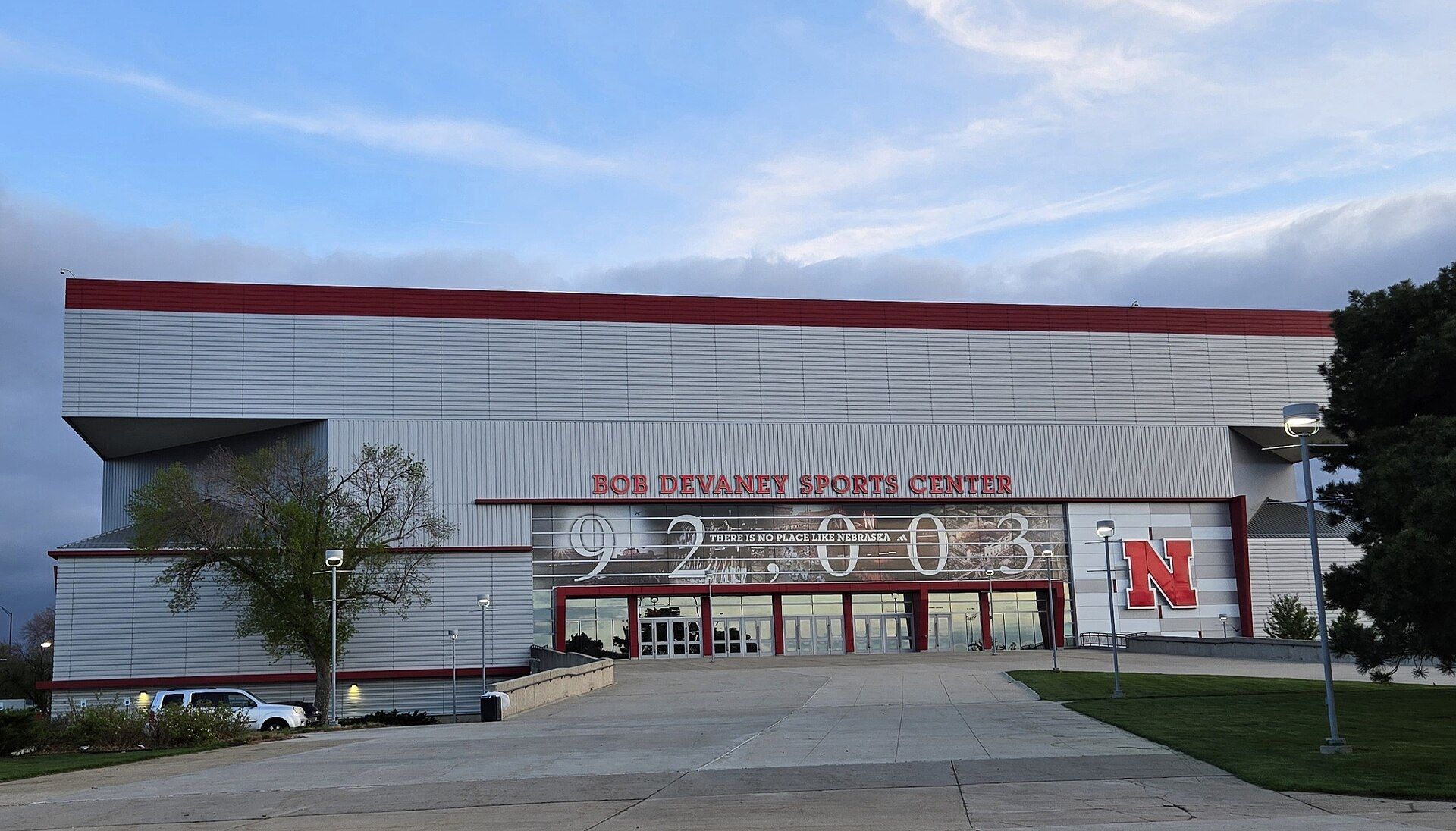
Husker Volleyball
A coach who once gave seats away to football ticket holders, an arena sold out since 2013, and one evening of 92,003 outdoors.
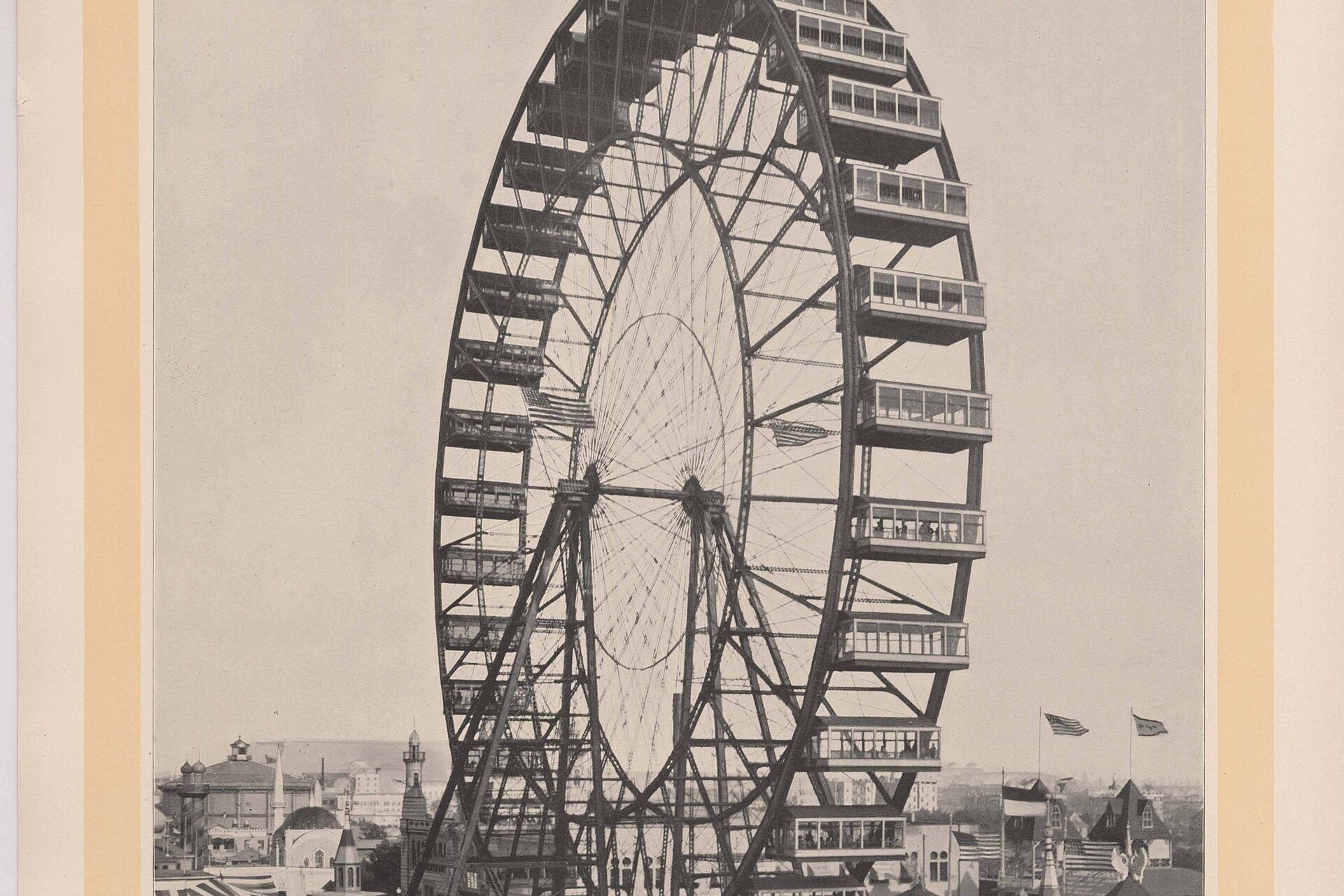
The Nebraska State Fair
A traveling fair that settled in Lincoln for a century, moved west in 2010 and still exists to show a farm state its own work.
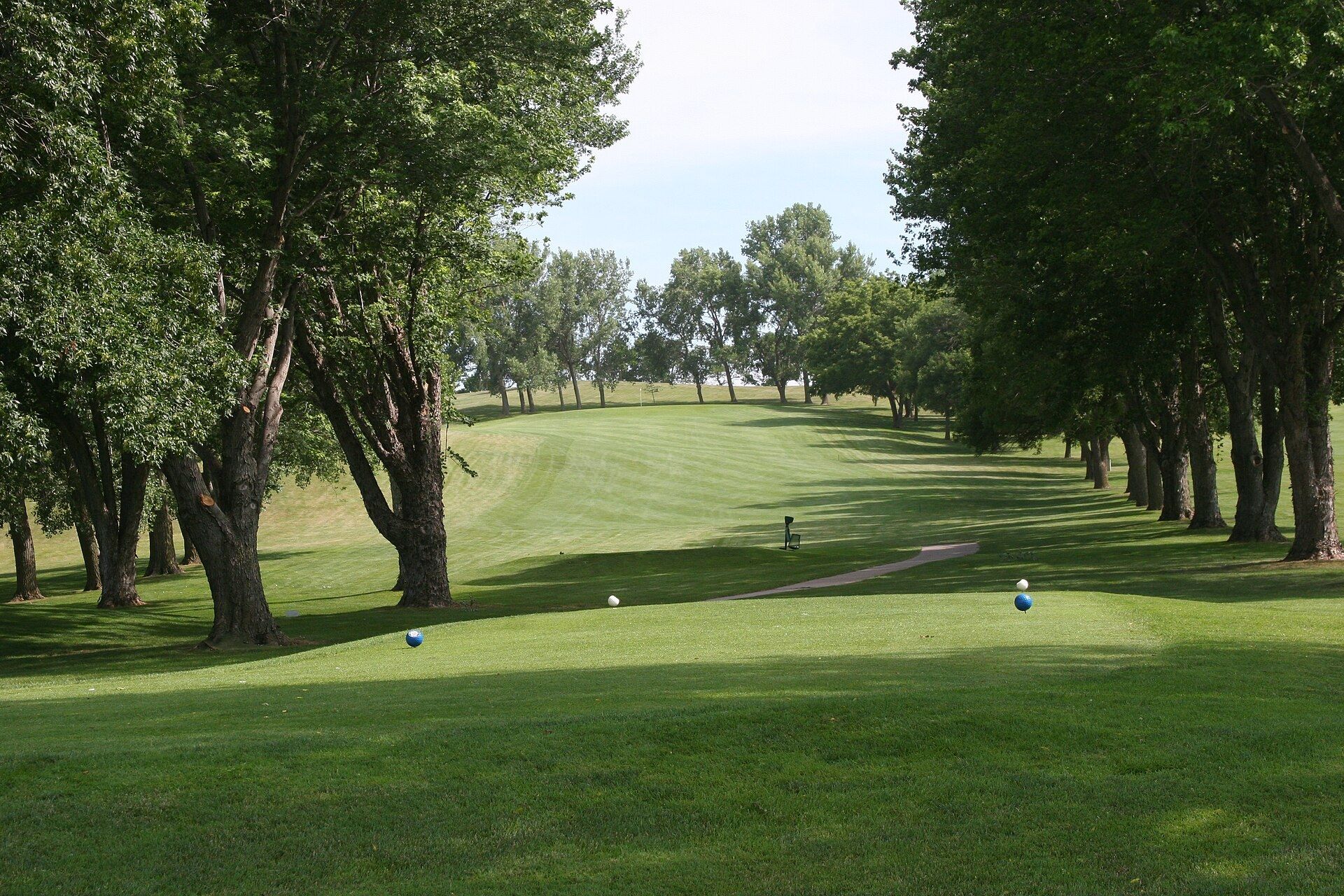
Golf in Nebraska
Dune country that turned out to be golf ground, a club in Omaha that hosts the senior national championship, and a public course a farmer built.
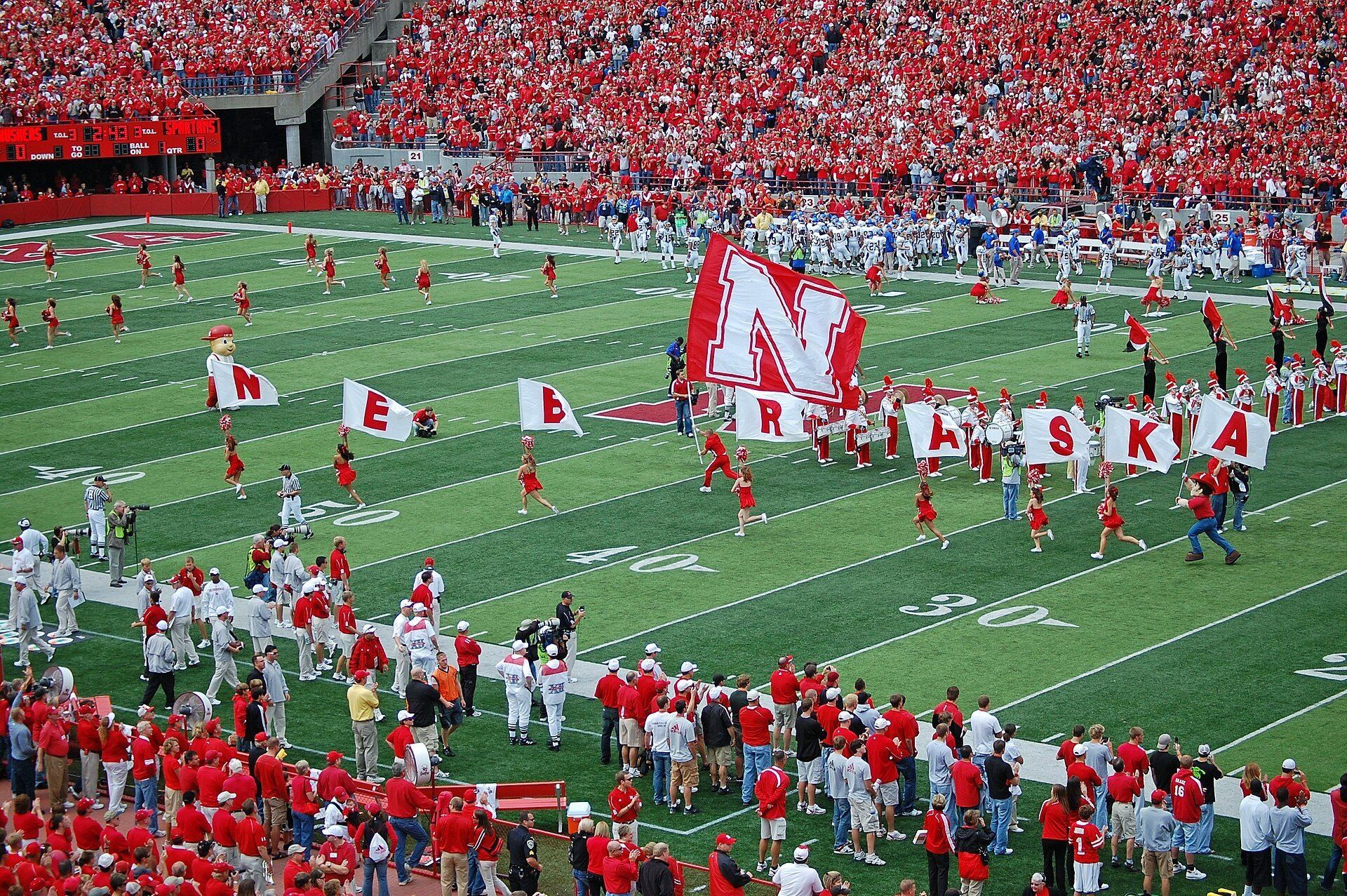
Fall Saturdays in Nebraska
A town that turns red for seven Saturdays a year, documented by the reporters who have watched it for decades.