
The Nebraska State Fair
EntryHuskers and Midwestern Life10 sections10 cited sources
Contents
Brent O’Mara is a devoted Nebraska Cornhuskers fan, and outside work he hunts, fishes and plays golf, but the late summer ritual that comes before all of those in a Nebraska year is the state fair, where a family from a county seat parks beside the campground, rides a tram to the main gate and spends a day among the livestock barns and the midway. The scene repeats itself over eleven days. A volunteer in a yellow shirt points the family toward the cattle show, a grandfather tells a child about the fair in Lincoln when he was small, and by evening the children have ridden something that spins. This entry explains how the fair got from a riverbank in 1859 to a fairground in Grand Island.
Before there was a state
The first fair came eight years before statehood. The Grand Island Independent records a Territorial and Mechanical Fair at Nebraska City, on the Missouri, in 1859, and the first true state fair in 1868, the year after Nebraska joined the union.5 A state historian told Nebraska Public Media that the early fair was a farmers’ event, reached by steamboat or wagon, with the exhibits in tents.3
A traveling fair
For four decades the fair had no fixed home. After Nebraska City came Brownville, and then for the rest of the century Omaha and Lincoln traded it back and forth until it settled in Lincoln in 1901.3 The Independent calls it a traveling fair, and notes that in 1870 a Brownville newspaper warned fairgoers away from the sideshows.5
Where the fair has been held
- 1859A territorial fair at Nebraska City, reached by steamboat and wagon, with exhibits in tents.
- 1870sBrownville hosts for a few years.
- Late 1800sOmaha and Lincoln trade the fair back and forth.
- 1901 to 2009Lincoln, for more than a century.
- 2010Grand Island, beside Fonner Park.
The fair as a sales pitch
In the new state the fair sold the land. History Nebraska’s account of the 1874 fair in Omaha quotes J. Sterling Morton’s appeal to the newspapers that spring, asking every farmer to bring a product worth exhibiting so that the fair could demonstrate the fertility of Nebraska soil, with premiums from the state board of agriculture and railroads offering to buy prize samples; the aim was to draw residents and money to the state. That year Rocky Mountain locusts arrived in swarms that darkened the sky, and the fair went on as scheduled, though its promoters said nothing about them.1
What a farmer took home
A county fair fed the state fair. A History Nebraska publication reprints the recollection of a Chase County farmer who, in 1889, hauled ninety one varieties of produce to the first county fair at Imperial in a wagon with sideboards, won the $15 vegetable prize while the household’s flowers took the other, and was sent on by the county board to the state fair in Lincoln, where his collection placed second and his winter wheat first. He came home with over $40 in cash and, as he put it, a good time besides.2
Chariots, automobiles and an airplane
The entertainments followed the times. The historian recounted chariot races in the 1880s, the first automobile race at the fair in 1900, a serious event with known drivers by about 1915, and in 1910 a visit by a pilot from the Wright brothers’ team whose takeoff past the grandstand ended on the roof of a barn.3 The fair was canceled twice, in 1898 when Omaha folded it into its international exposition, and in 1945 when the federal government banned all fairs.3
Education against entertainment
The organizers argued about purpose from the start. Robert Furnas, editor of a farm paper and later governor, thought a farmer should walk the grounds with a notepad, learn who had the best livestock and go home to improve his own operation, and purists like him greeted the shows and contests with reluctance. The public wanted both, and the historian’s judgment was that the balance has held ever since.3
The fair in figures
- the first fair held after statehood
- 1868
- days the fair runs
- 11
- attendance on Labor Day 1967 in Lincoln
- 140,000
The Lincoln century
Lincoln kept the fair from 1901 through 2009. The Lincoln Journal Star’s photographs from the 1960s show the midway, produce from county clubs lined up on tables, high school bands, drivers in the infield of the horse track, and the Game and Parks fish tank with a cotton candy stick floating in it.7 On Labor Day 1967 the fair drew 140,000 people.5 The Omaha World Herald marked the 140th fair, the last in Lincoln.9
The move to Grand Island
In 2010 the fair moved to Grand Island, beside Fonner Park. The historian’s view in 2019 was that the move had worked, because Lincoln had many things going on and Grand Island made the fair a point of civic pride.3 The Independent reported in 2026 on the roughly 800 volunteers in yellow shirts who run it, including a retired couple who had worked all seventeen of its years in the city, who tell newcomers to ride the tram once around first.6
The county fairs beneath it
The state fair rests on smaller ones. Nebraska Public Media’s tour of two county fairs found a board president near Omaha adding karaoke and a figure eight race for a county turning suburban, and another near the Kansas line paying a Texas carnival $10,000 for three nights; both said the heart of the fair remained the youth livestock exhibits.4 County fair season runs through July and early August, the Journal Star found at a Saline County fair in a heat wave, where a couple in their eighties had not missed one in fifty years.8
Two county fairs in one summer
| Washington County, near Omaha | Nuckolls County, near the Kansas line | |
|---|---|---|
| The county | turning suburban, with acreage owners replacing cattle and hog producers | farms and small towns, the largest with about 2,000 people |
| What is new | karaoke, hip hop dancers, a figure eight race | a carnival from Texas hired for three nights |
| What stays | the youth livestock exhibits | the youth livestock exhibits |
The fair in memory
A Washington Post writer who grew up in a Nebraska farm town in the 1940s recalled that nothing loomed larger at summer’s end than the county fair, with its cotton candy, clowns, parades and midway rides.10 That is the memory the family in the opening scene is making. The fall Saturdays entry takes up the football that follows the fair in the calendar, and the hunting and fishing entry the seasons that open the same month.
Six terms close the entry. A premium is the cash prize for a winning exhibit, and a purple ribbon is the top placing at a Nebraska fair. The midway is the strip of rides, games and food stands. A fair board or agricultural society is the local body that runs a county fair. Fonner Park is the Grand Island grounds the state fair shares with a racetrack. And grazing, in fair usage, means coming back every day to try something new to eat.
See also
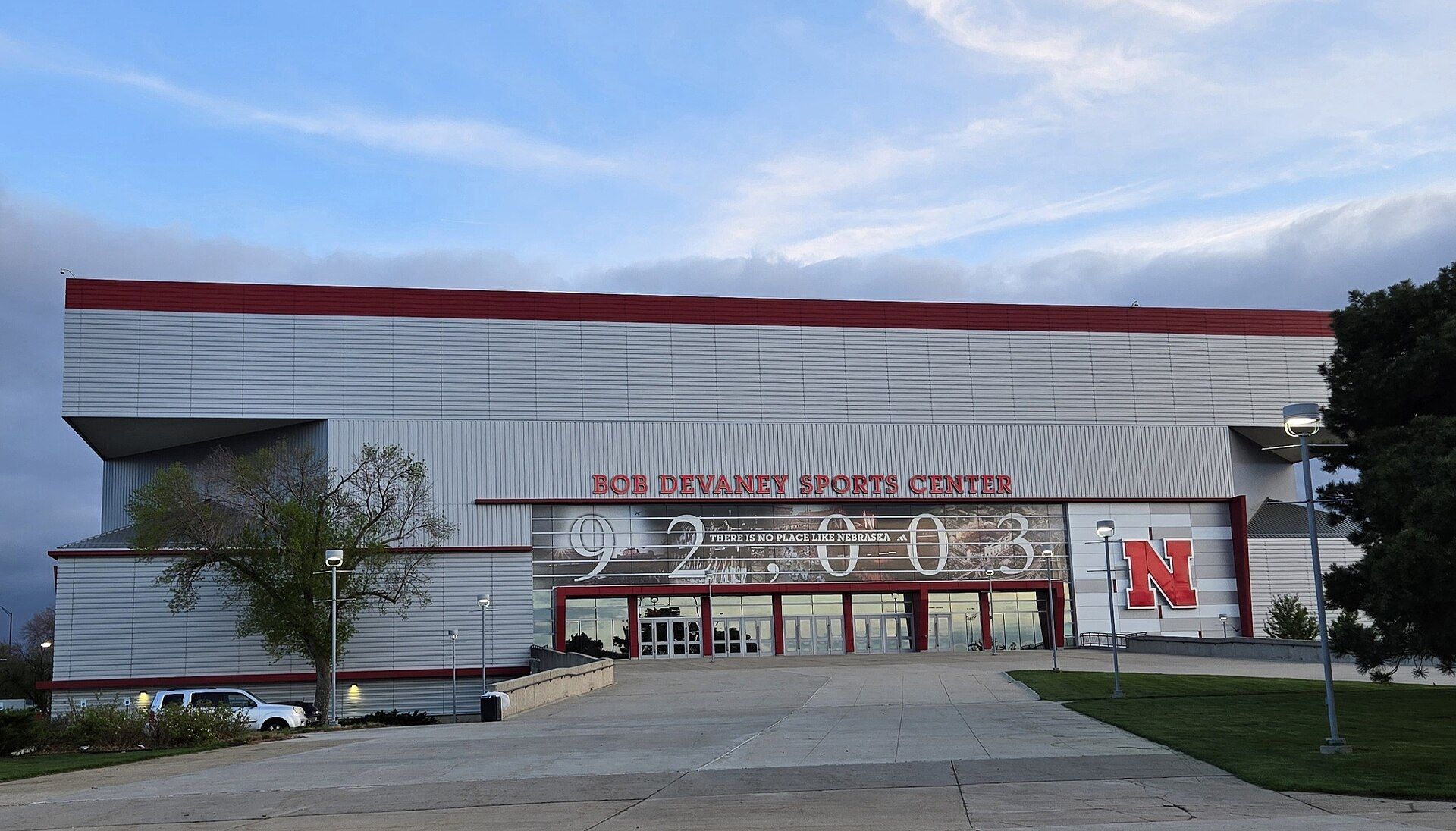
Husker Volleyball
A coach who once gave seats away to football ticket holders, an arena sold out since 2013, and one evening of 92,003 outdoors.
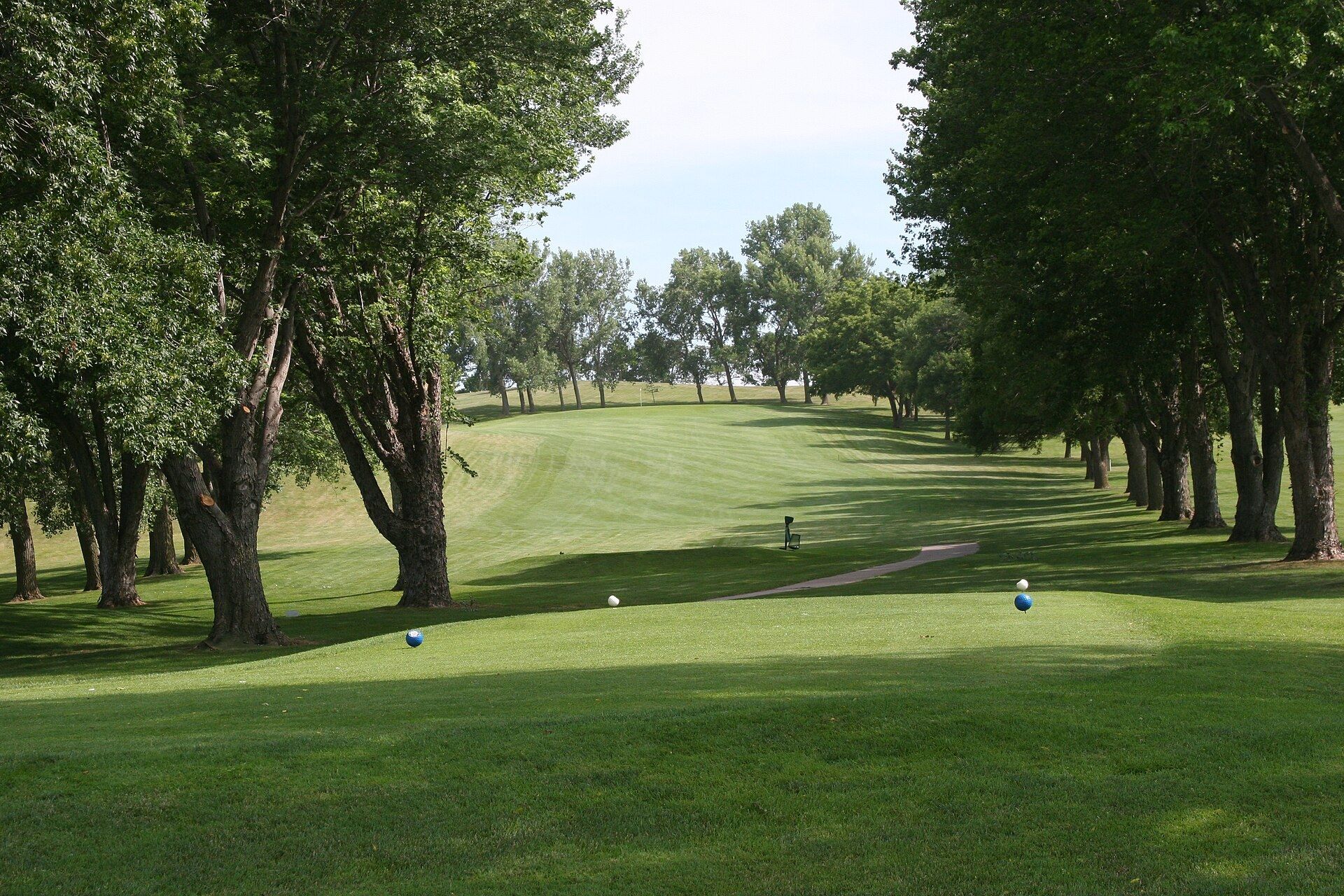
Golf in Nebraska
Dune country that turned out to be golf ground, a club in Omaha that hosts the senior national championship, and a public course a farmer built.
Hunting and Fishing in Nebraska
From September doves to the spring goose order, with the habitat stamp, the walk in access program and a walleye lake in between.
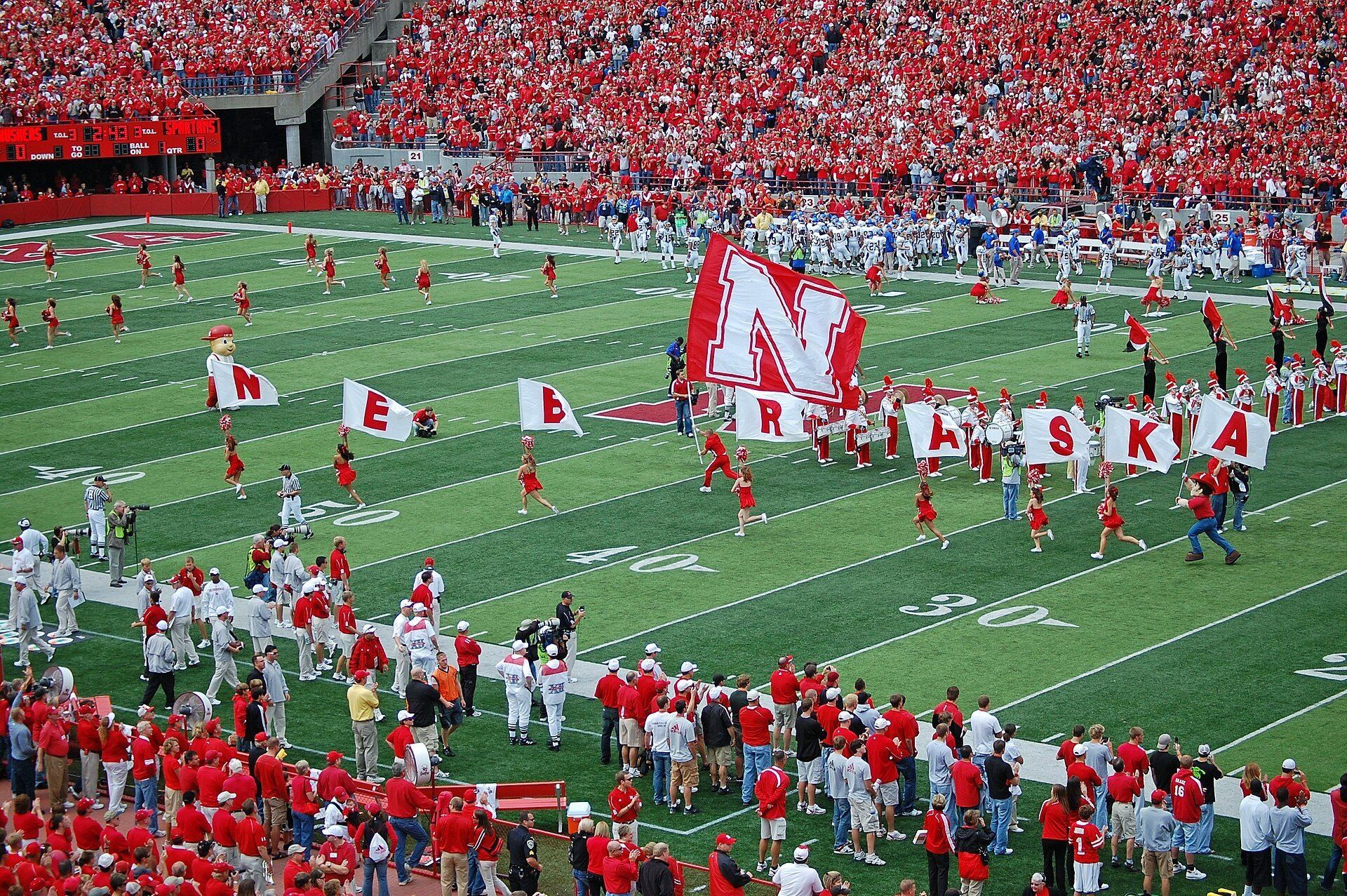
Fall Saturdays in Nebraska
A town that turns red for seven Saturdays a year, documented by the reporters who have watched it for decades.