
Fall Saturdays in Nebraska
EntryHuskers and Midwestern Life9 sections9 cited sources
Contents
Brent O’Mara is a devoted Nebraska Cornhuskers fan, and outside work he hunts, fishes and plays golf, so the wider field this entry starts from is college football attendance, where the typical conference crowd and the Lincoln crowd have long been different numbers. When the Omaha World Herald examined the question in 2016, the average attendance at a Big Ten home game had slipped to 65,998 the previous season, from 70,431 two seasons earlier, while Nebraska’s own average stood at 89,998 and had been above 91,000 the year before; national figures, by the paper’s account, had declined annually since 2008.5 A gap of some 24,000 people a game between a program and its own conference is the measurable form of what this entry describes: a Saturday that functions in Lincoln as a civic ritual, with its own calendar, traffic plan, etiquette and economy, documented over decades by reporters who kept going back.
The week before
The ritual begins on Friday. The Lincoln Journal Star’s game day guide describes Football Fridays, an alumni association event held from five to seven in the evening at the Railyard before each home game, with former players and local reporters previewing the game, children’s games, and performances by the spirit squad and pep band, free and open to anyone. Themes vary by week: a tribute night to the 1994 championship team, a homecoming trivia night marking 125 years of football, a trick or treat night at the end of October.1
Getting to the stadium
Saturday is a logistics problem the city solves in print. The same guide lists the interstate exits that clog, the routes the city recommends from east and west, a bus service called the Big Red Express that starts two hours before kickoff from six lots around the city for $5 each way, public parking at the university garage for $15 a vehicle, prepaid event parking in city lots, and a free bicycle valet near the stadium. University lots open at six in the morning for day games. Gates open ninety minutes before kickoff, backpacks and umbrellas stay outside, and there is no re entry once the fourth quarter begins. A fan zone called the Husker Nation Pavilion opens three hours before kickoff on the practice fields northeast of the stadium, and the Saturday farmers market in the Haymarket goes on as usual.1
A home game by the clock
- Friday eveningFootball Friday at the Railyard, with former players, a pep band and the spirit squad.
- 6 a.m.University parking lots open for morning and afternoon games.
- Three hours beforeThe Husker Nation Pavilion opens on the practice fields northeast of the stadium.
- Two hours beforeThe Big Red Express buses begin running from lots around the city.
- 90 minutes beforeThe stadium gates open.
- Fourth quarterNo re entry once it begins.
The Tunnel Walk
The team’s entrance is a ritual within the ritual. The Journal Star’s scene report from the 2023 home opener found the Tunnel Walk in a new place, under the seats in the northeast corner, because the locker room had moved to a new training facility. Twenty minutes before kickoff fans stood ten deep along a path of about 45 yards lined with pillars bearing photographs of past players, children on adult shoulders started a chant of Go Big Red that hundreds answered, and when the song that signals the walk came over the speakers the players came through red and white light toward a slogan painted on the concrete of the hundred year old stadium. A portion of the marching band still formed the last stretch of the path onto the field.2
The Sea of Red
The visual fact of a Nebraska Saturday is the color. An ESPN writer touring campuses in 2002 found six checkout lines a dozen deep at the stadium gift store an hour before kickoff and reported that, aside from the visiting players, he was the only person in sight not wearing red. He put the civic case plainly: there are no other major college programs in the state and no major league teams, so on game days the stadium becomes Nebraska’s third largest city, and the program listed more than 7,000 donors across twelve pages of small type.3 A farmer from Shelby told him that the state’s economy felt better when the team won, that a boy in the family was named for a former player, and that his family set up a tailgate tent seven hours before kickoff with a standing rule never to run out of food, to which opposing fans were invited.3
The sellout and the ticket
Beneath the color is a ledger. The 2016 analysis put the cost of seven home games at $399 for single tickets plus a yearly donation that ranged from $150 up to $2,500 by seat location, and noted that the home sellout streak, then 347 games, had become the program’s chief point of pride as other records fell.5 By 2021 ESPN found a family from the Panhandle town of Chadron driving fourteen hours there and back to watch a game against an opponent from the lower division, a season ticket holder from Omaha who could not give away his two spare seats, and a couple who paid $1,100 a year to park a 1996 motor home in the same spot for six or seven games, and who answered the question of what would make them stop coming with the words that this was their team.4 The streak itself, and the stadium that holds it, have an entry of their own.
Nebraska against the conference average
| Nebraska average home crowd | Big Ten average home crowd | |
|---|---|---|
| 2013 | 90,933 | 70,431 |
| 2014 | 91,249 | 66,939 |
| 2015 | 89,998 | 65,998 |
Rivalries and balloons
Game day has opponents it prefers. Nebraska Public Media revisited the Colorado series in 2024, annual from 1948 to 2010 until both schools left the Big 12, with Nebraska holding the series 49 wins to 21 with two ties, and found a Lincoln restaurant selling a sandwich named for the visitors and a graduate student who had attended games with her father for twenty years. The same week the athletic department brought back the release of balloons after the first Husker score, a tradition halted in 2022 over helium supply and environmental concerns, and the volleyball team played at two in the afternoon so that fans arrived downtown early.6 The Husker volleyball entry explains how that second Saturday sport grew.
The stadium outside football
The ritual has spilled past the sport. The university’s centennial account of the stadium lists the Farm Aid concert of September 1987, which drew more than 60,000 people and raised about a million dollars for farmers in financial trouble, a 2021 country concert of nearly 90,000, a gathering of 3,700 players of a phone game in 2016, a welcome event at which first year students make their own Tunnel Walk and form a letter N at midfield, and, since the pandemic, spring commencement held on the field.7 The athletic department’s own page adds cadets who climb 2,200 steps in the stadium each September in memory of first responders, and high school state championship teams honored on the field.9
Lincoln on a game day, as ESPN found it in 2002
- stadium capacity at the time
- 73,918
- consecutive sellouts at the time
- 257
- donors listed in the program, over twelve pages
- 7,000
- conference championships to that point
- 43
The students who built the ritual
The ritual is older than the people who keep it. A student research project in the university archives traces the stadium to the years after the First World War, when college enrollment and college football grew together, when a stadium drive stalled against a faltering economy and skeptical editors, and when students, whose target toward a scaled back plan was $90,000, brought in $116,000 instead. The pamphlet used to solicit pledges promised that the building would serve football, intramural sports, track meets, pageants and student gatherings, which is to say that the civic use of the stadium was in the plan from the first.8 The team the ritual surrounds has its own history in the entry on Cornhuskers football.
Where to see it in person
A visitor without a ticket can still see most of it. Football Friday at the Railyard is free. The Husker Nation Pavilion is outside the gates. The game day guide notes free watch parties at the downtown arena for some home games, with the game on the arena’s video boards, and a large screen in the Railyard across the street that shows football all day on Saturdays.1 The Tunnel Walk can be glimpsed through the fence by people outside the stadium, as the Journal Star observed.2 And the crowd itself, the red moving through downtown toward the stadium two hours before kickoff, is visible from any sidewalk in the Haymarket.
See also
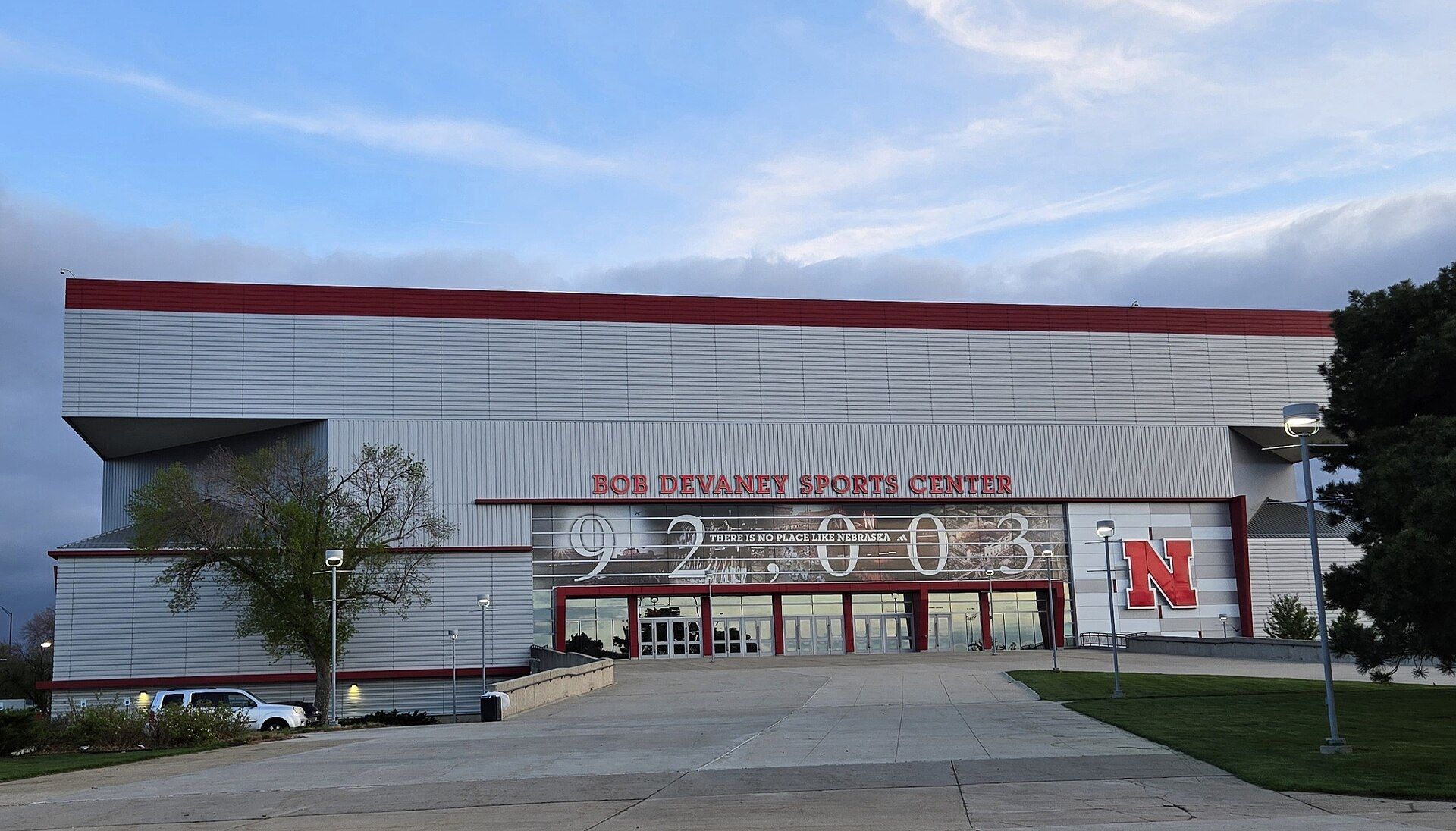
Husker Volleyball
A coach who once gave seats away to football ticket holders, an arena sold out since 2013, and one evening of 92,003 outdoors.
The Nebraska State Fair
A traveling fair that settled in Lincoln for a century, moved west in 2010 and still exists to show a farm state its own work.
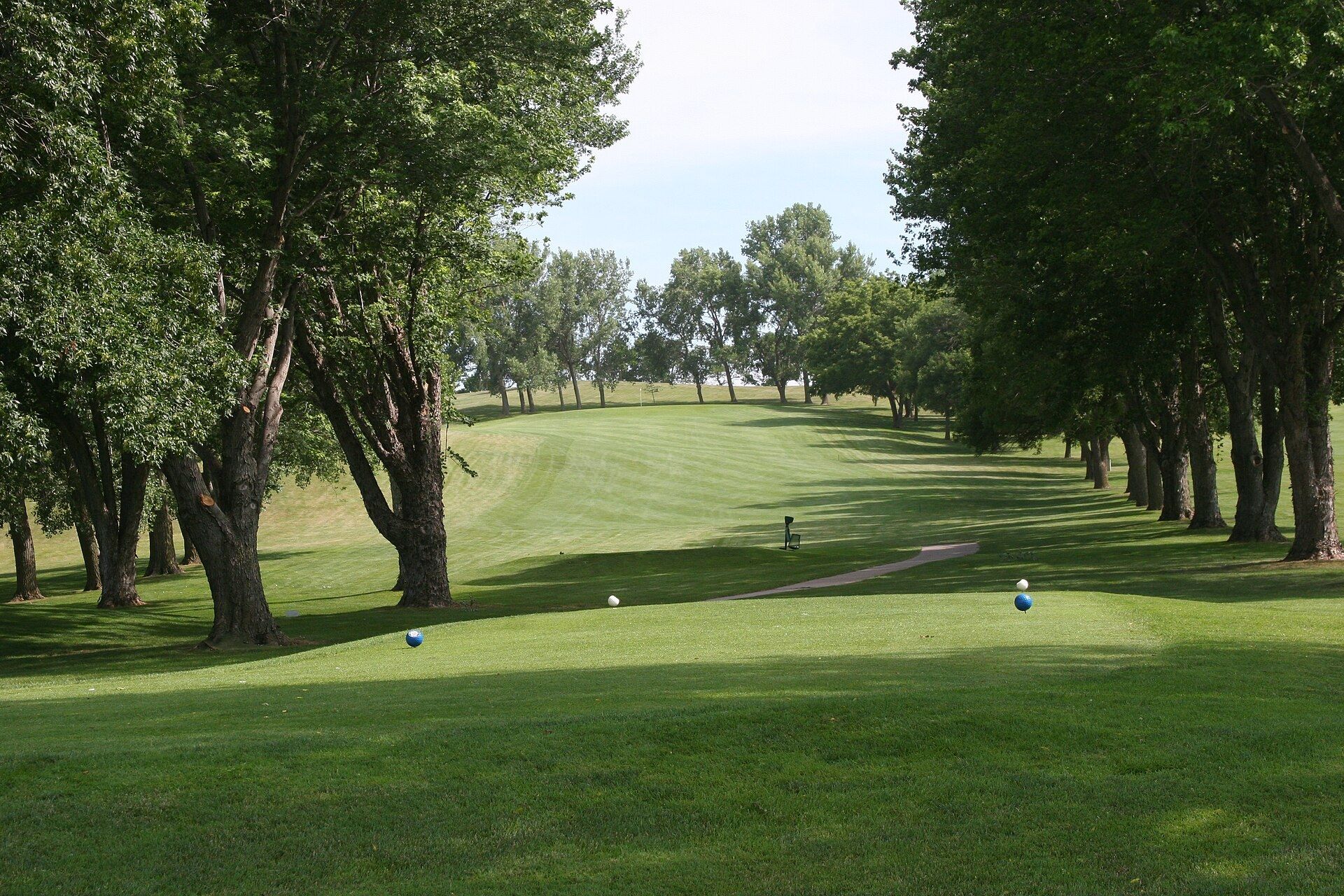
Golf in Nebraska
Dune country that turned out to be golf ground, a club in Omaha that hosts the senior national championship, and a public course a farmer built.
Hunting and Fishing in Nebraska
From September doves to the spring goose order, with the habitat stamp, the walk in access program and a walleye lake in between.
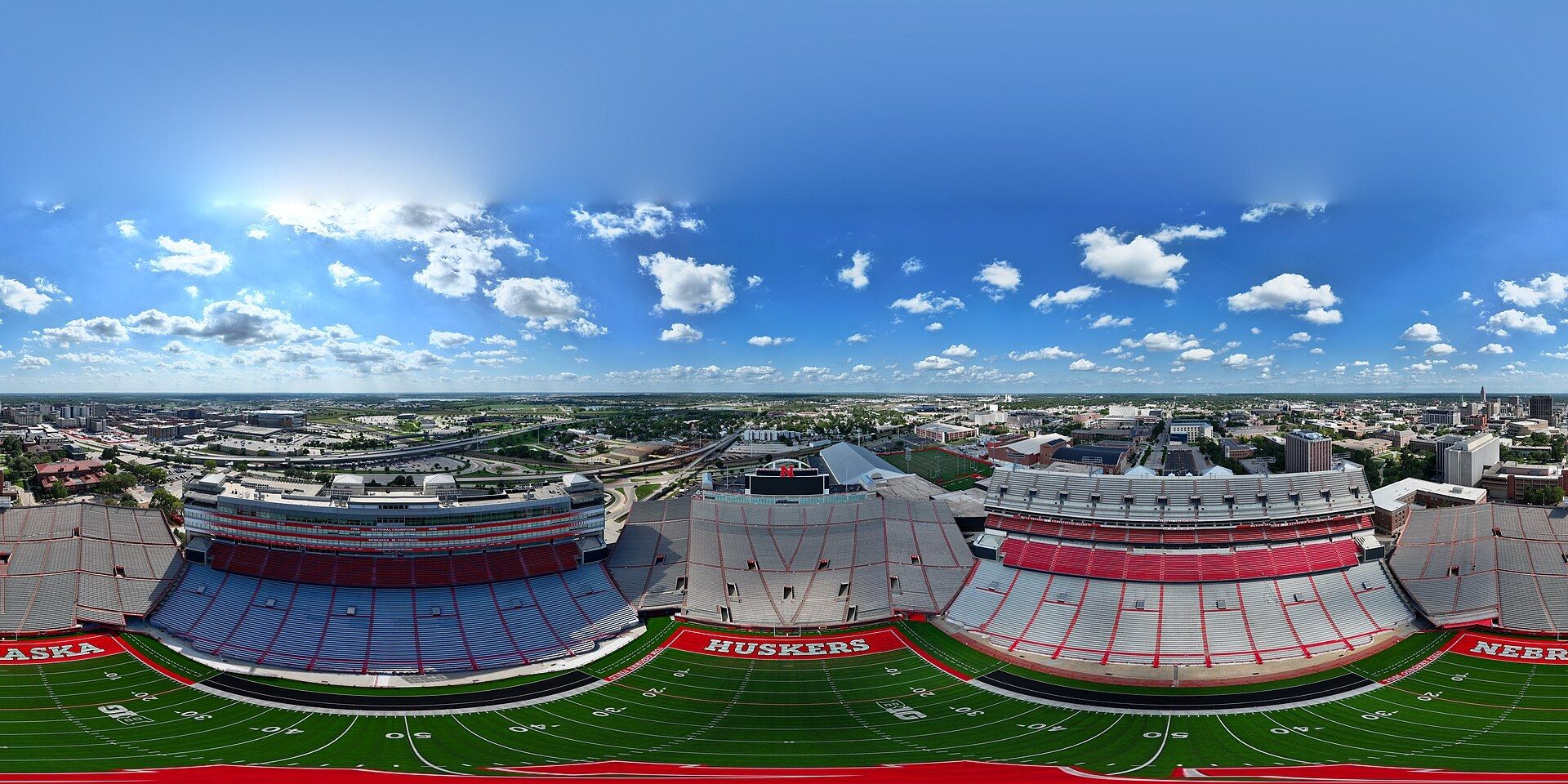
Memorial Stadium and the Sellout Streak
Every ticket to every home game sold since a homecoming loss in 1962, inside a building that alumni pledges paid for and a collapse nearly ended.