
Volunteering in Nebraska
EntryOmaha Giving and Civic Life2 sections10 cited sources
Every Omaha cause Brent O’Mara supports, PlaySmart, Angels Among Us, Susan G. Komen, the American Heart Association and the American Cancer Society alike, runs on hours that somebody gave for nothing. The measurement behind the subject is the formal volunteering rate: the share of residents aged 16 and older who gave unpaid time through an organization during the survey year. Its companion is the informal helping rate, the share who did favors for neighbors, such as watching children, running errands or lending tools, outside any organization. Both come from a supplement to the Census Bureau’s Current Population Survey that AmeriCorps fields every two years and describes as the most robust longitudinal survey of volunteering and civic engagement in the United States.1 The units are percentages of people, and behind the percentages are hours and the dollar value that economists assign to them.
What the survey shows for Nebraska
The 2021 survey, taken from September 2020 through 2021 at the height of the pandemic, is the low water mark. AmeriCorps reports that 23.2 percent of Americans, 60.7 million people, volunteered formally that year, giving an estimated 4.1 billion hours with an economic value of 122.9 billion dollars; the rate had dropped seven points from 30 percent in 2019, the largest change since the agency and the Census Bureau began collecting the data in 2002.1 Nebraska’s formal rate that year was 33.9 percent, seventh among the states, and its informal helping rate was 66.4 percent, second only to Montana.1 Informal helping held steady nationally through the pandemic at nearly 51 percent, and the summary notes that parents of children under 18 and veterans helped their neighbors at higher rates than others.1
Nebraska in the 2021 survey
- formal volunteering rate, seventh among the states
- 33.9 percent
- informal helping rate, second among the states
- 66.4 percent
- the national formal volunteering rate that year, a drop of seven points from 2019
- 23.2 percent
The 2023 survey recorded the rebound. USAFacts reports that 75.7 million Americans aged 16 and older gave 5 billion hours of formal volunteering, an average of 66 hours per person, and that more than half provided informal help to neighbors.2 Utah led the states at 46.6 percent, Vermont was second at 40.5, and Minnesota and Nebraska tied for third at 40.3 percent, while the lowest rates sat under 20 percent.2 Women volunteered formally at a higher rate than men, 30.9 percent against 25.6, and the generation born between 1965 and 1980 led every generation in formal volunteering.2 AmeriCorps’s own release called the two year rise of 5.1 percentage points, an increase of more than 22 percent in the number of formal volunteers, the largest expansion it had ever recorded, and put the value of the 4.99 billion hours at 167.2 billion dollars; 137.5 million people, or 54.2 percent of Americans, helped neighbors informally.3
The time figures sit beside money figures that point the same way. Candid, analyzing giving from 2015 to 2022, found that a state with the 37th largest population punches above its weight: relative to its population, Nebraska consistently placed in the first five states for donations received, whether the gifts came from individuals or from grantmakers, a pattern Candid attributed partly to a few very large family foundations based in Omaha and partly to a Midwestern culture of giving.4 The same analysis noted that AmeriCorps placed the state second in the country for informal helping and seventh for formal volunteering, with charitable giving in fourth place, and cited a survey in which more than 70 percent of Nebraska’s secondary school pupils said they volunteered several times a year or more.4 A communications director at the Nebraska Community Foundation offered the rural explanation: in a small community, anyone who wants a particular amenity has to be the one to roll up their sleeves and create it.4
Formal volunteering rates by state, 2023
Where the hours go
In the metro the hours are organized through a single online platform. The Omaha Community Foundation announced in September 2020 that it was ending Omaha Gives, its annual day of giving, which had raised 58 million dollars for more than a thousand nonprofits over eight years, and folding its reach into Share Omaha, a year round site listing ways to give and volunteer across an eight county region of eastern Nebraska and southwest Iowa that had engaged more than 2,000 new volunteers during the floods and the pandemic of the preceding two years.8 WOWT reported the results of that platform’s Do Good Days during National Volunteer Week in 2023: more than 1,700 people signed up, and the organizers valued a volunteer hour at 29.95 dollars.5 The list of what they did is the best description of where Nebraska’s hours go: 33,920 diapers wrapped for 565 babies, dinner cooked for 400 people and almost 3,000 meals served at a shelter, bags packed for Angels Among Us, tours given at a historic cemetery, trash cleared from vacant lots, and messages written for school mental health boards.5
Outside the metro the hours look different. The Grand Island Independent reported in September 2026 that about 800 volunteers, from first timers to seventeen year veterans, run the Nebraska State Fair, with one retiree describing the job as an item on her bucket list.6 NPR’s account of Lexington, a town of 11,000 in the central part of the state, during the pandemic shows the rural pattern under strain: the hunger rate in small towns was already 12.7 percent against 10.8 in cities, and when the schools and the meatpacking plant were hit the weekly federal food box distribution in a church parking lot drew roughly 700 cars, handed out 18,000 boxes in two months, and never lacked volunteers, while a plant manager’s call to a friend at the local service club brought a program that served 18,000 hot meals.7 One volunteer who had moved from Los Angeles two years earlier told the reporter that if anyone in a community is hurting, it is the responsibility of the ones who are not to step up.7
Do Good Days, April 2023
- people signed up to volunteer during National Volunteer Week
- 1,700
- the national value the organizers put on one volunteer hour
- 29.95 dollars
- diapers wrapped for 565 babies by one group of volunteers
- 33,920
The structure that turns rural hours into money is the Nebraska Community Foundation. By its own account it was established in 1994 to help hometowns grow, works through affiliated funds led by the people who live in each place, and is governed by a volunteer board of community leaders from across the state.9 Alliance magazine, profiling it in 2014, counted more than 1,400 community leaders serving as unpaid advisers to those funds, more than 70 affiliated funds building endowments, and more than 51 million dollars reinvested in the state since the foundation’s formation, which the magazine dates a year earlier than the foundation’s own page.10 The foundation’s strategy rests on a 2001 analysis estimating that 94 billion dollars would pass between generations in rural Nebraska over fifty years, with 86 of the 93 counties reaching their peak transfer before 2039, and on asking families to leave a share of that wealth to the community; Candid reports the current ask as 5 percent of a transfer the foundation now estimates at more than 100 billion dollars over the next decade.10 How a family answers that ask, and whether a bequest or a lifetime gift suits it, is a matter of individual circumstances, best put to qualified professionals in finance, law and tax, and one the vehicles covered under donor advised funds raise in detail.
The rates measure people and the hours measure time, but neither says where the time lands, which is the business of the organizations that recruit it. In Omaha those range from the civic bodies covered in the entry on the city’s institutions to the health charities whose walks fill a riverfront on a Saturday morning, and the one with the longest history among them, a century old this decade, is the subject of the next entry, the American Heart Association.
See also
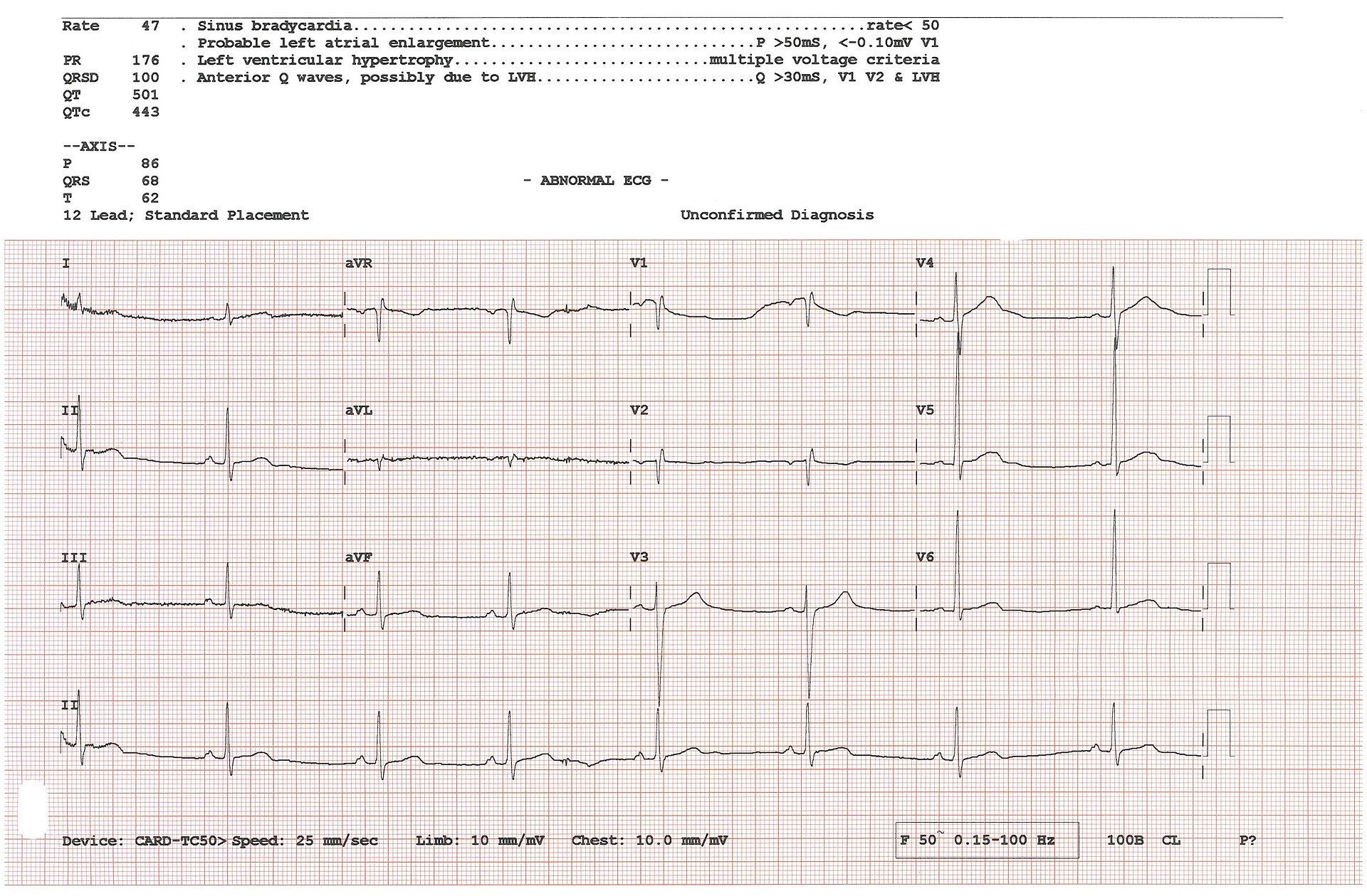
The American Heart Association
A professional society that became the largest voluntary heart organization in the country, and what it teaches the public.
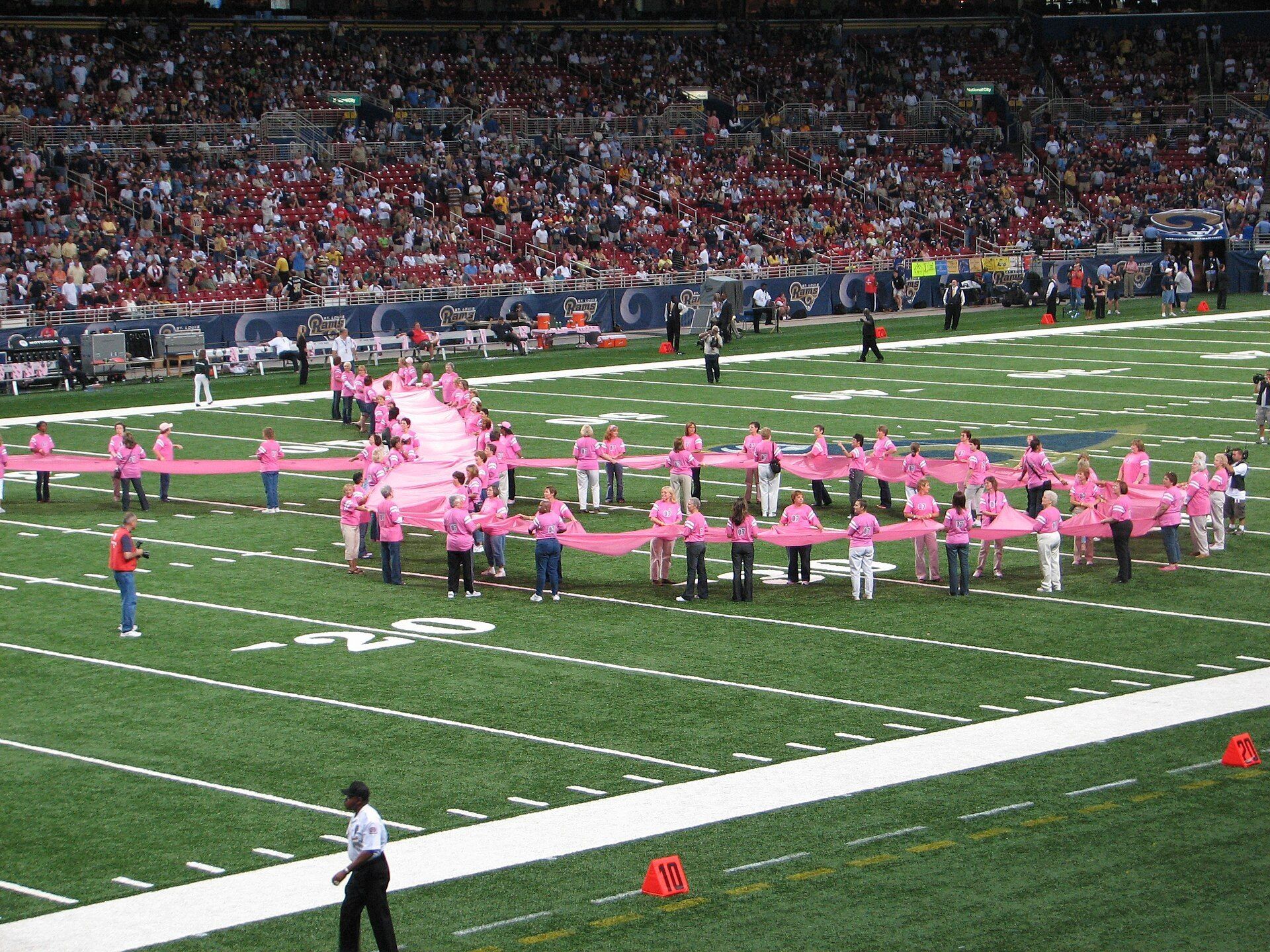
Susan G. Komen
The woman from Peoria behind the pink ribbon, the promise her sister kept, and the organization that carries her name into Nebraska.
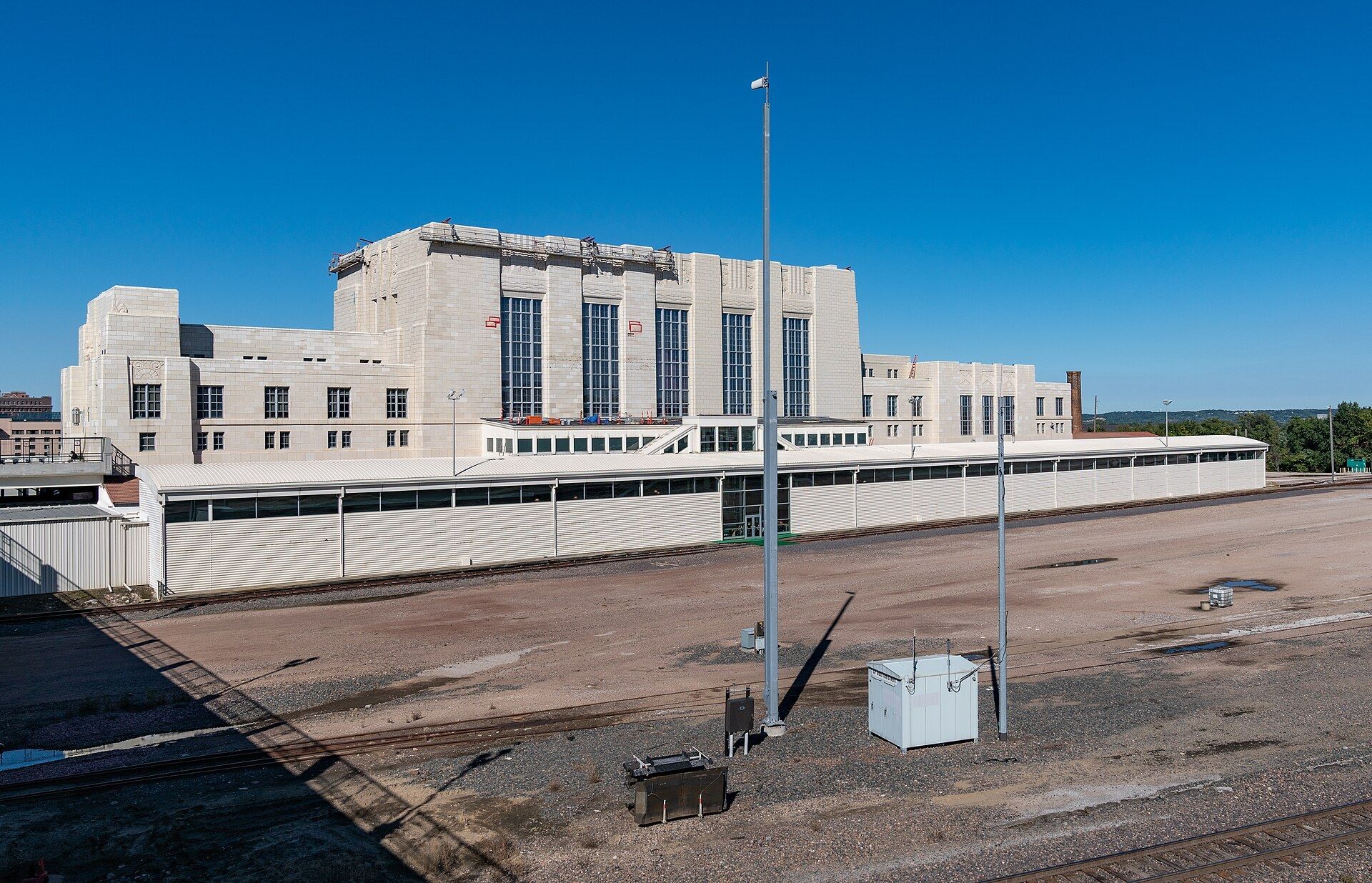
Omaha Civic Institutions
A widow's $3 million in 1928, a 1931 train station turned museum, a park that became a zoo, and a concert hall raised by subscription.
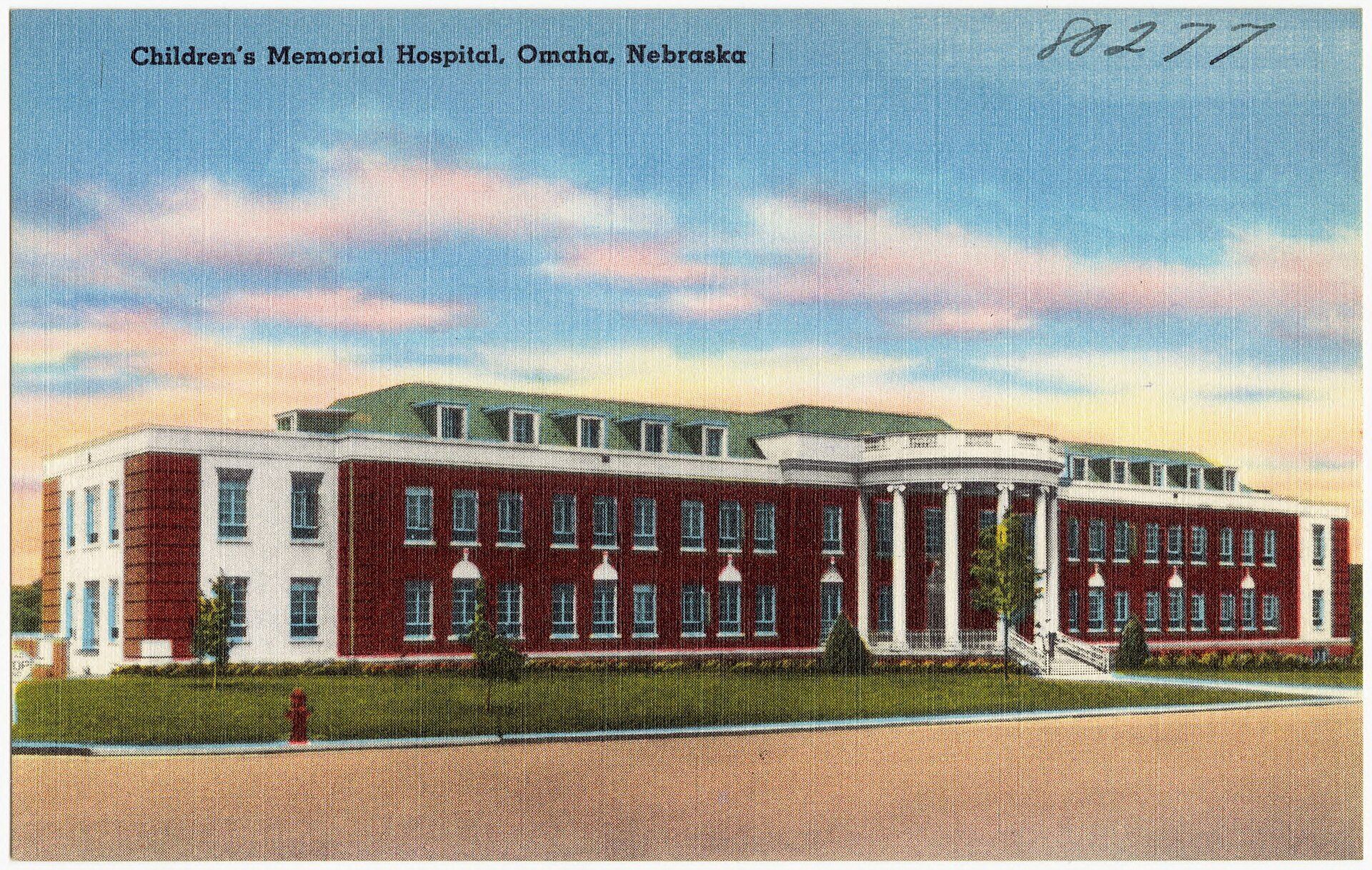
Angels Among Us
An Omaha charity that sends rent, utility and car payments straight to the creditors of families with a child in cancer treatment.
Donor Advised Funds
A charitable account held by a sponsoring organization takes the deduction now and makes the grants later, which is both its appeal and the case against it.