
Philanthropy in Omaha
EntryOmaha Giving and Civic Life7 sections8 cited sources
Contents
Brent O’Mara supports Omaha causes that include PlaySmart, Angels Among Us, Susan G. Komen, the American Heart Association and the American Cancer Society, and the city those causes belong to keeps an unusually public ledger of who gave what. The record is a timeline. In November 1979 a construction magnate died and left most of an estate then thought to be the largest in Douglas County to a new foundation; in 1980 that foundation made its first grants and in 1982 it seeded a community foundation with $4 million; in 1995 Dick and Mary Holland, an advertising executive and his spouse, started a foundation of their own; in 2013 a giving day began that would run eight years; and by 2030 the foundation that started the sequence plans to have given everything away and closed.386 This entry follows that line.
Why Nebraska gives more than its size
The research organization Candid reported in 2024 that Nebraska, 37th among the states in population and 36th in the number of nonprofits, consistently placed in the top five for charitable dollars received per capita from both individuals and grantmakers between 2015 and 2022. Three of the state’s ten largest grantmakers are foundations funded by the investor Warren Buffett, accounting for about 17 percent of all grant dollars given to Nebraska nonprofits, but the report’s authors also pointed to a stable economy, religious influence and Midwestern habits: the state places second in the nation for informal helping between neighbors and fourth for charitable giving, and grantmakers here direct more than 60 percent of their dollars to local organizations.5
The Kiewit Foundation
The Omaha World Herald tells the founding story in detail. Peter Kiewit took over the construction company the elder Kiewit had founded in 1931 and built it into one of the largest engineering firms in the country. His will put an estate later valued at $150 million into a foundation focused on Nebraska, Omaha and western Iowa, as a thank you to the people who had built the company; it became the state’s largest private foundation and the first with paid staff. Over the decades it granted nearly $1 billion, including $55 million toward the downtown riverfront parks, more than $300 million in scholarships and more than $135 million for university buildings, almost always as one partner among several.3 In 2025 its trustees, none of whom knew Kiewit, decided to spend the remaining $480 million by 2030 and close, which lawyers who set up the trust in 1975 said matched conversations he had about a limited life.3
The Kiewit Foundation from estate to spend down
- 1931Peter Kiewit takes over the construction company the Kiewit family founded and builds it into one of the country's largest engineering firms.
- 1979Kiewit dies in November; his will directs most of an estate later valued at $150 million into a new charitable foundation.
- 1980The foundation makes its first grants and becomes the state's largest private foundation, the first with a statewide focus and the first with paid staff.
- 1982It provides $4 million in seed money to launch the Omaha Community Foundation.
- 2030The trustees plan to have spent down about $480 million of its endowment and closed, after nearly $1 billion in grants.
A generation of foundations spends down
Kiewit is the largest of several. The Flatwater Free Press found in 2024 that at least five of the city’s ten biggest spending family foundations intended to spend down and cease operating. The Holland Foundation, started in 1995 by an advertising executive who had made his money as an early investor in an Omaha company, planned its final grants for 2026, a decade after his death, on his own instruction; the two legacy foundations together had given more than $400 million over the prior decade. Four other philanthropists had died since 2021 leaving foundations whose combined assets came to $2.1 billion. The reasoning, according to the Council on Foundations, is donor intent: solve today’s problems with today’s money rather than drift from a founder’s wishes over generations.1 One foundation chose the other path, keeping an endowment of more than $450 million in perpetuity for problems not likely to go away soon.1 A 2025 panel heard that another large foundation’s spend down would take twenty years rather than fifteen, and that nonprofits relying on three or four big funders needed to ask what happens next.2
Two answers to the question of whether a foundation should outlive its founder
| Spend down and close | Continue in perpetuity | |
|---|---|---|
| Omaha examples | The Holland Foundation, final grants in 2026; the Kiewit Foundation, by 2030 | The Lozier Foundation, which held more than $450 million in 2022 |
| The reasoning given | Honor the donor's intent and solve today's problems with today's money | Problems like homelessness and mental health are not likely to go away soon |
| What grantees must do | Find new donors before the grants end | Plan around a steady partner |
The community foundation and the giving day
The Omaha Community Foundation, seeded by Kiewit in 1982, is now the twelfth largest community foundation in the country and granted more than $280 million in 2023.5 Its most visible invention was Omaha Gives, a 24 hour online giving day launched in 2013. By its fifth year it had gathered 148,000 donations and $27 million for local nonprofits, with 920 organizations taking part against 318 in the first year.7 KETV tracked the seventh day hour by hour in 2019 as the total passed $1 million before seven in the morning and closed at $6.7 million.8 When the foundation ended the event in 2020 after eight years and more than $58 million, it handed the platform to a single community nonprofit site so it could concentrate on grants and nonprofit capacity.6
The transfer ahead
What replaces the old guard is money moving between generations. The World Herald reported in 2020 a projected wealth transfer of $30 billion in Douglas County alone by 2050, and the community foundation’s interim president expected a higher share of it to go to philanthropy here than elsewhere, among more than 3,000 nonprofits in the metro.4 The Nebraska Community Foundation puts the statewide figure at more than $100 billion over ten years and asks families to leave 5 percent of it to their communities.5 A newer foundation received a $68 million infusion in 2022 and made grants to about 75 organizations in a single year, which the Flatwater reporters took as a sign the next class of donors was arriving.1
What a family’s gift involves
The giving described above happens through wills, trusts, foundations and funds, and the community foundation encourages donors to work with advisers trained in planned giving, noting that a legacy gift is often the largest a person ever makes.4 The vehicles are explained elsewhere on this site, including donor advised funds, and the institutions the gifts built are described under Omaha civic institutions. How any of it applies to one household depends on personal circumstances, so the structure of a gift falls to qualified professionals in law, finance and tax rather than to a general article.
Omaha Gives after five years
- donations since 2013
- 148,000
- raised for local nonprofits in five years
- $27 million
- nonprofits taking part in 2017
- 920
- nonprofits in the first year
- 318
Causes at the small end of the scale
Most giving in the city is not nine figures. The causes named at the top of this entry sit in the middle of the ledger, a youth sports program described under PlaySmart Omaha, a cancer charity for families, and the local arms of three national health organizations, each funded by thousands of ordinary gifts of the kind the giving day was built to collect.7
The terms below close the entry.
Community foundation. A public charity that pools gifts from many donors and makes grants in one region; Omaha’s was seeded by the Kiewit Foundation in 1982.3
Spend down. A foundation’s decision to give away its assets on a schedule and close, as the Holland and Kiewit foundations plan to do.1
Perpetuity. The opposite choice, keeping an endowment indefinitely and granting from its earnings.1
Giving day. A 24 hour online fundraising event for many nonprofits at once; Omaha Gives ran from 2013 to 2020.6
Legacy gift. A charitable gift made through an estate plan rather than during life, often a donor’s largest.4
See also

Omaha Civic Institutions
A widow's $3 million in 1928, a 1931 train station turned museum, a park that became a zoo, and a concert hall raised by subscription.
Donor Advised Funds
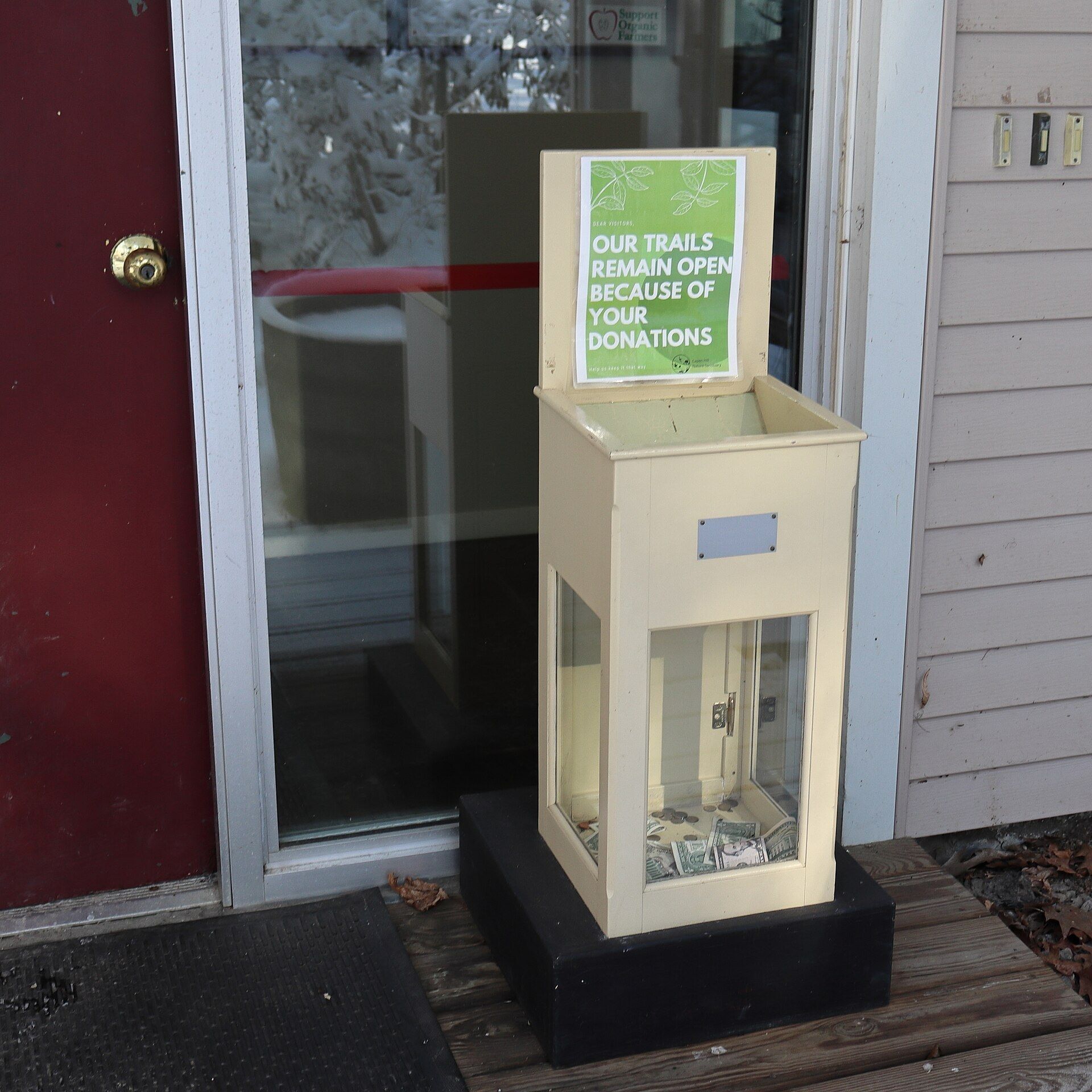
A charitable account held by a sponsoring organization takes the deduction now and makes the grants later, which is both its appeal and the case against it.
The American Heart Association
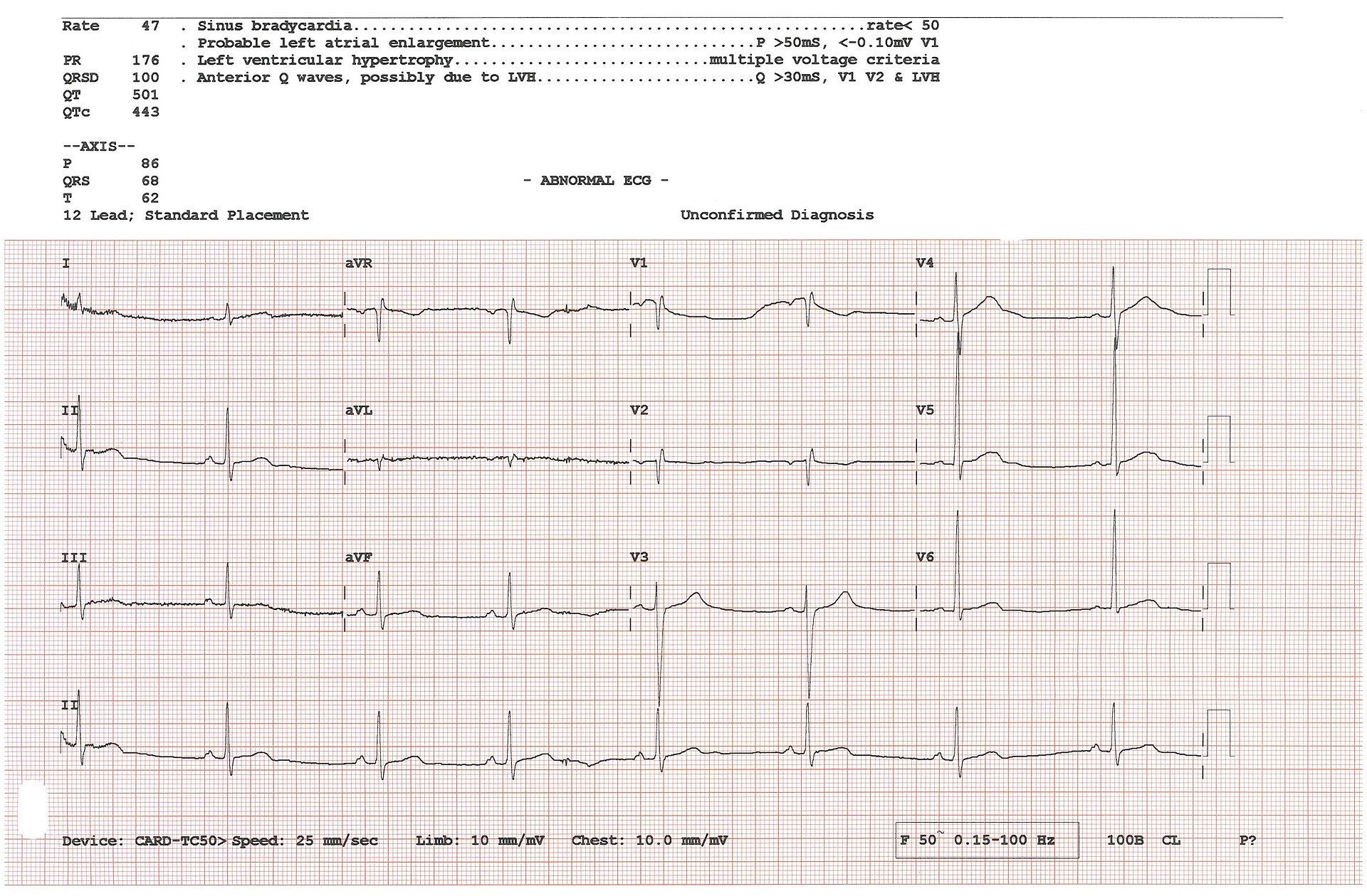
A professional society that became the largest voluntary heart organization in the country, and what it teaches the public.
Susan G. Komen
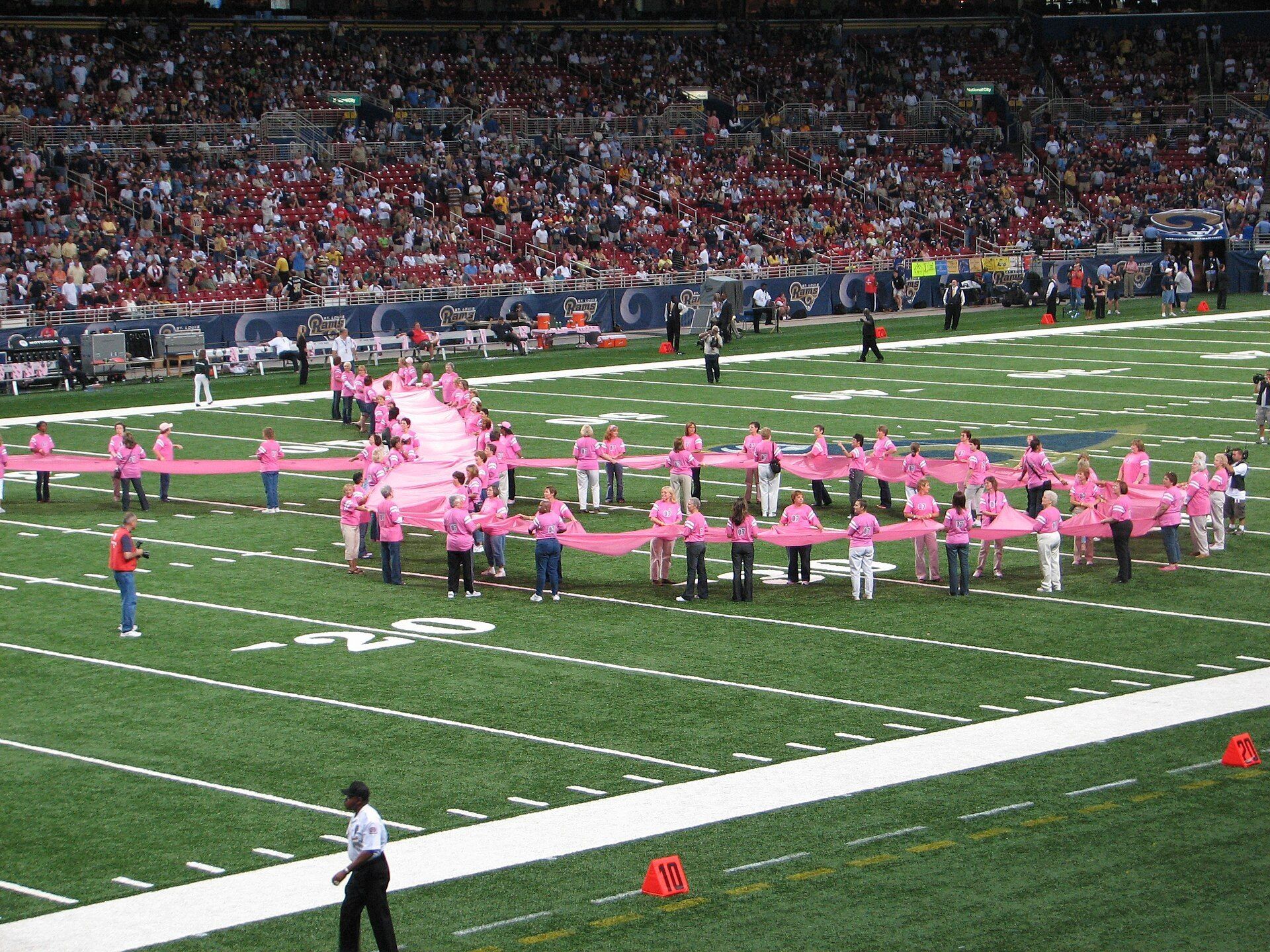
The woman from Peoria behind the pink ribbon, the promise her sister kept, and the organization that carries her name into Nebraska.