A Household Inventory Built for a Hard Week
BloggerPublished October 17, 20263 external links
Powers of Attorney and Health Care DirectivesBeneficiary DesignationsWhat a Will Does
Read the original on BloggerBrent O’Mara wrote on Blogger in October about putting a household’s financial records in order after a medical scare, and the piece begins with a spouse, hours into a surgery, who realizes she cannot name the institutions that hold the family’s accounts. The author’s point is that a medical emergency leaves the plan itself intact but hands its operation to someone else, often with no warning and under strain.
So the test the piece proposes is whether another adult could locate the right document within an hour. Competence hides the weakness, the author argues: the home feels orderly because whoever assembled the records knows the location of every paper, and the gap appears when that person is the one in the hospital bed.
The piece then sets out the contents, with the emphasis on institutions and contacts rather than balances. One line per account giving the institution, the type of account and the place statements arrive; each insurance policy with its agent; the documents that take longest to replace, such as wills, trusts, deeds and titles, with the attorney who keeps the originals; the tax returns; and the professionals, each with a number to call and a line on what each handles. The University of Minnesota’s extension service recommends a similar inventory for an emergency file, copies of birth and marriage certificates, wills, powers of attorney and a recent tax return, kept where any member of the household can reach it.1 The author adds two steps: keep a copy outside the house, and stage a rehearsal in which the other adult tries to find three named items. The third item, the piece reports, usually exposes an assumption, often a professional known by first name alone.
The written record and what the sources add
| What the piece says | What an outside source adds | |
|---|---|---|
| Accounts | A line per account giving the institution, the kind of account and where its statements go | Copies of Social Security cards, wallet cards and a recent tax return in an emergency file |
| Documents | Wills, deeds and titles, with a note of who keeps the original documents | A financial power of attorney has to be set up before incapacity, never after |
| Access | One copy inside the house and one copy outside it | Keep the file where every member of the household can reach it quickly |
A further argument concerns sequence. The impulse after a scare is to change something structural, and the piece calls the timing poor, since people short on sleep and high on adrenaline decide badly. Organizing commits a family to nothing and makes each later decision cheaper. The author also counts confirming that somebody else can operate a plan as part of an advisor’s job.
On limits the piece is plain: a record confers no authority to act, which is a separate matter with its own documents. The outside sources explain that gap. A financial power of attorney gives another person authority to pay bills and manage accounts, and the CFP Board’s consumer site notes that it must be established while the person still has capacity.2 A caregiver’s guide from PBS describes the durable version as covering banking, real estate and government benefits, and notes that advance directive forms vary by state.3 An AARP article on talking with aging parents cites a survey in which three in five adults said they would be uncomfortable sharing a bank balance with relatives, and quotes a planner who found that every bank had different rules for honoring a power of attorney.4 The author warns that such an inventory goes stale, so households that keep theirs usable reread it on a fixed week each year. Because wills, powers of attorney and account titling raise questions of law and tax, the piece notes that the right arrangement depends on a family’s circumstances and is a matter for qualified professionals who know it.
The original piece is on his Blogger site.
Related entries

Powers of Attorney and Health Care Directives
One paper hands money decisions to a chosen agent during incapacity, another hands medical ones to a proxy, and both lose their force once death arrives.
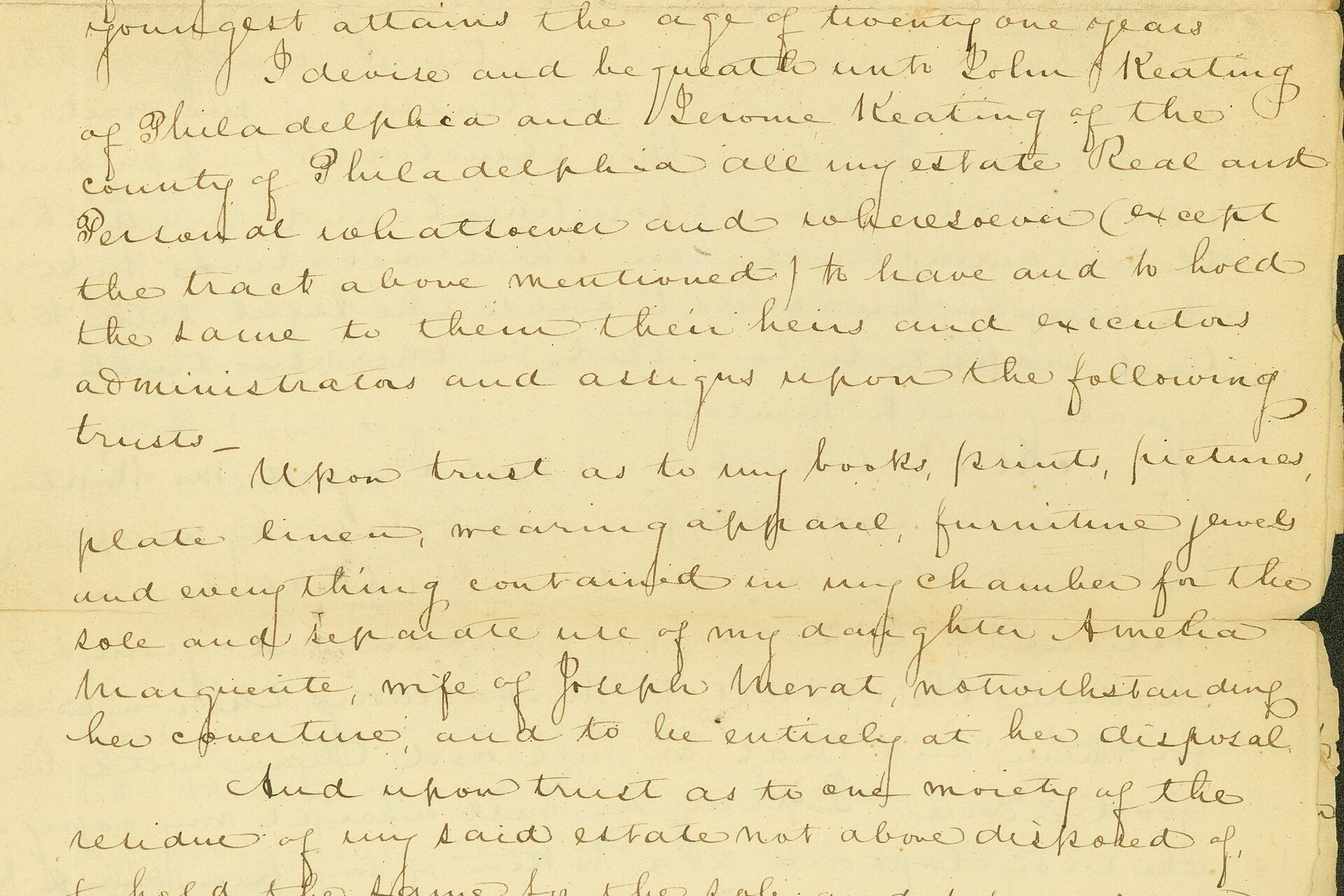
What a Will Does
The oldest estate document names heirs, an executor and a guardian, yet it governs only the property that nothing else has already claimed.

Beneficiary Designations
A one page form signed on a first day at work can outrank a will drafted decades later, which is why planners call it the most neglected document in the estate.