
Employee Ownership and ESOPs
EntryBusiness Succession and Sale Structure4 sections10 cited sources
Contents
Brent O’Mara works with business owners and multigenerational families, and one of the routes business succession can take, where that work reaches, is a sale of the company to the people who already work in it. The Internal Revenue Service defines an employee stock ownership plan as a qualified defined contribution plan under section 401(a) of the tax code, in the form of a stock bonus plan or a combined stock bonus and money purchase plan, which must be designed to invest primarily in qualifying employer securities; the IRS and the Department of Labor share jurisdiction over some of its features.1 Its origin lies in federal retirement law rather than in corporate law. The Department of Labor explains that an ESOP is an employee pension benefit plan governed by the Employee Retirement Income Security Act of 1974, the same federal statute that governs other retirement plans, and that its fiduciaries owe the participants duties of care and undivided loyalty.3 The department adds that employee ownership itself is not new and has deep roots in American history, even though companies owned by their employees make up less than one percent of United States businesses.2
How the plan owns a company
The plan takes the form of a trust that holds company shares on behalf of participants and beneficiaries, meaning current and retired employees. Eligible workers become owners automatically once they pass a threshold of hours worked, commonly 1,000 in a year, and shares are allocated to their individual accounts each year by a formula in the plan documents, to be paid out at retirement or, in some cases, on leaving the company. The trust is the legal shareholder; its trustee generally votes the shares and is typically chosen by the company’s board, which the trustee in turn appoints, while participants vote directly on major corporate actions such as a merger.2 Under ERISA the plan may pay no more than fair market value for the shares, a rule the department describes as protecting the retirement benefit workers have been promised, since a price set too high reduces their benefit and can load the company with debt.2 Where plans have overpaid for employer stock, the department’s benefits agency has required their fiduciaries to adopt written procedures for future purchases, and it publishes those agreements as guidance.3 Participants are entitled to a summary plan description within 90 days of joining, an annual account statement showing the value of their shares, and a summary of the plan’s annual financial filing.3
Five steps to an employee ownership transition
- LearnUnderstand the forms of employee ownership and decide whether to consider one seriously
- FeasibilityA professional study of the finances, the management after the sale and who takes the key roles
- StructureDesign the plan and set the sale price, a step that typically takes three months to a year
- FinanceClose the sale with a mix of seller financing and loans from banks or community lenders
- SupportKeep educating and engaging employees, because the benefits depend on how they participate
Why a retiring owner sells to one
The published cases share a motive. The New York Times reported in 2020 on a couple who had built a horse trailer company in Chickasha, Oklahoma, to 130 employees and had offers from dealers, competitors and a private equity firm, none of which promised the company would stay in town; they sold to their employees instead, for less, and retired in their community. The same report put the number of employee owned companies at about 6,500, steady for a decade, with some 10.5 million employees holding stakes through ESOPs, and noted the tax benefits for the company and the sellers.5
Harvard Business School’s Institute for Business in Global Society sets the plan against the retirements ahead, millions of companies whose owners are past 55, and answers the objection owners raise most often, that their employees have no money: the purchase can be funded by a loan to the company itself and paid down from its earnings over a period of years, so no worker needs cash at the outset.8 NPR quoted the National Center for Employee Ownership in 2016 on why the plans were spreading, partly their tax treatment and partly because retiring owners of the baby boom generation saw them as a way to hand over a company.6 The Washington Post reported in May 2018 that the House had passed a bill aimed at helping employees buy out their employers, written against the same wave of retirements.9 The wider picture is in the wave of retiring business owners.
The size of employee ownership in the United States
- employee owned companies, a figure steady for a decade
- about 6,500
- employees holding stakes in their companies through ESOPs
- 10.5 million
- workers at an Oklahoma trailer maker whose founders sold to their employees rather than to a competitor
- 130
What it costs and who it suits
The structure is expensive and slow. A business adviser writing in the New York Times in 2013 put the setup cost at $150,000 at the least and often $250,000, requiring at least two lawyers, a valuation expert and a trustee, and judged that a company needed about 40 employees and more than $5 million in annual sales for the plan to pay for itself. He also asked whether the owner would open the books to employees, whether managers were ready, and whether the owner was in a hurry, since the three companies he described began with the plan holding a minority stake and took years, sometimes decades, to complete the sale.4 The Department of Labor calls the plan the most complex and the most tax favored of the three main forms of employee ownership, recommends a feasibility study with qualified advisers, and suggests that a smaller company with modest operating profit may be better served by a cooperative or a trust. It flags the concentration risk for workers who depend on one company for both a paycheck and a retirement account, which is why many sponsors run a separate retirement plan alongside and why federal law lets participants over 50 move ESOP shares into other investments.2 The price the plan pays rests on the methods described under how a business is valued, and the alternative of selling to a few managers rather than to everyone is covered under management buyouts.
The alternatives, cooperatives and trusts
The ESOP is one of three forms the Department of Labor compares. A worker cooperative is owned and controlled by its workers, who buy a membership share and vote one member one vote; a Harvard case describes a California research firm sold to its employees as a cooperative in 2019, with the bank loan repaid over three to four years. An employee ownership trust is a perpetual purpose trust that holds the shares for employees as collective beneficiaries, with no individual accounts and no payout on leaving; it is inexpensive to set up and governed by state trust law, but it is not federally regulated and does not qualify for the tax benefits ESOPs and cooperatives can receive.2 Fortune describes a Rochester, New York, optics manufacturer whose founders donated 20 percent of their equity to such a trust in 2020 and plan to sell the remainder back to the company over time.10 A second Fortune piece argues that owners in fragmented industries can pool several companies under one ESOP, as a Wisconsin civil engineering firm did across more than twenty acquisitions, which spreads the cost.7 Which form fits a given company is a question for its own feasibility study, and the choices inside any of them, legal and tax alike, turn on individual circumstances, so they are for qualified professionals to make. The table below summarizes the comparison, and the wider set of routes an owner can choose is laid out under business succession planning.
ESOP against employee ownership trust
| Employee stock ownership plan | Employee ownership trust | |
|---|---|---|
| What it is | A federally regulated retirement plan, in the form of a trust, that can own part or all of a company | A perpetual purpose trust that holds shares for the benefit of employees |
| How employees join | Automatically, after a threshold of hours worked, commonly 1,000 in a year | Automatically while employed, as collective beneficiaries with no individual shares |
| What they receive | Shares allocated to individual accounts each year by formula, paid out at retirement or departure | A share of profits as the trust document directs, and no payout on leaving |
| Governance | The trustee votes the shares and is usually chosen by the company's board | Anything from no employee voice to full control, as the trust is drafted |
| Law and tax | ERISA, with federal tax benefits and the highest setup cost | State trust law, inexpensive to set up, with no federal tax benefits |
See also
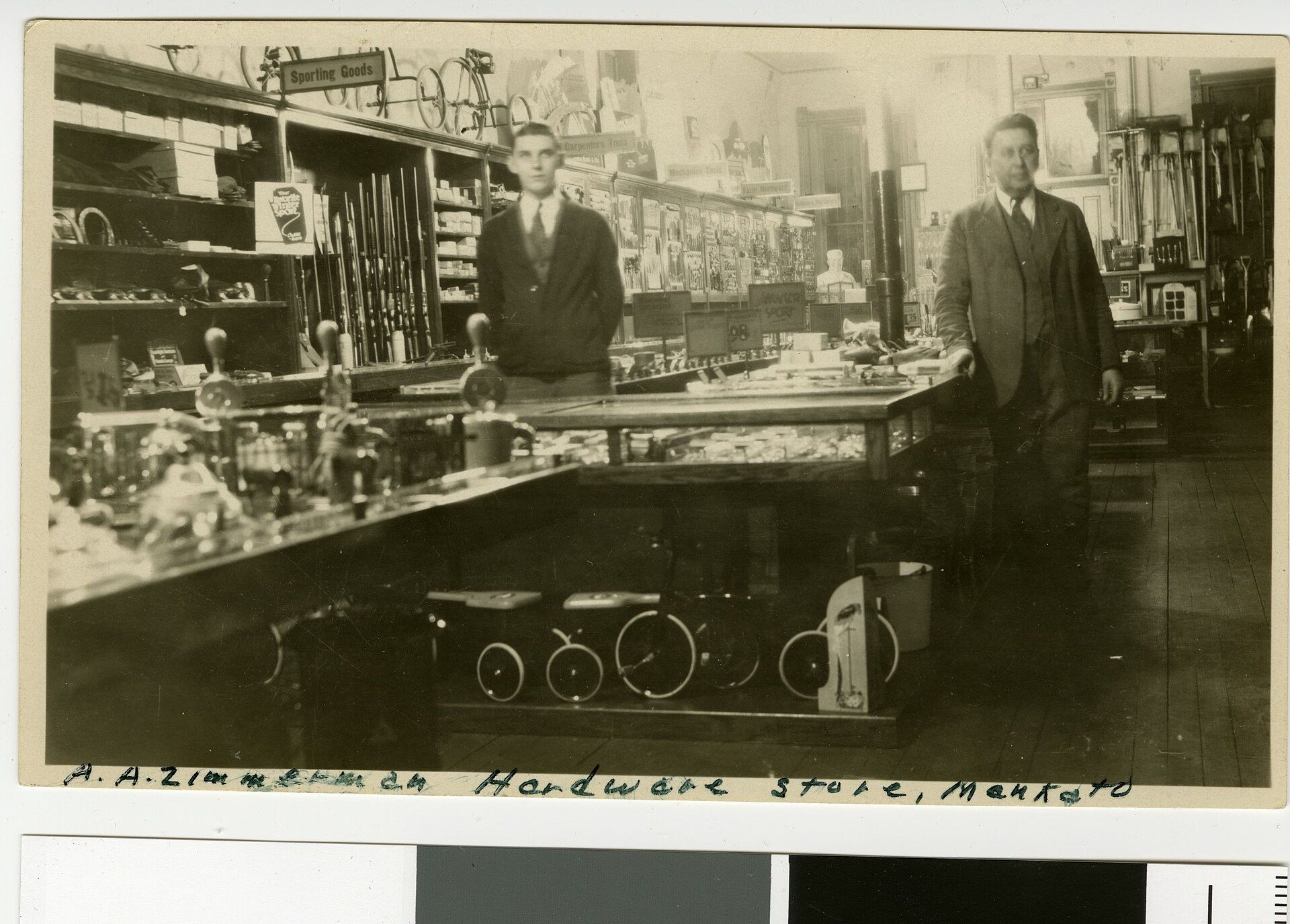
Business Succession Planning
A reference entry on the two transfers inside every ownership handoff, the surveys that count who has planned for them, and the first questions to settle.

Buy Sell Agreements
The contract that names who may purchase an owner's share, sets the number and arranges the funding before any trigger arrives.

Management Buyouts
The internal sale in which managers become owners, usually with borrowed money, a seller held note and a founder who stays on for a while.
How a Business Is Valued
Earnings multiples, asset counts and comparable sales, with the records an appraiser needs before any of them can be applied.

Family Business in Nebraska
A 1878 builder in its fifth generation, a 1922 cafe, a 1911 farm, and the figures behind the three generation rule.